👉 Register for Free. How to Diagnose Sleep Apnea Faster in Primary Care – FREE Webinar by Dr. Audrey Wells. – Friday, April 24 at 12 PM ET


Can Sleep Apnea Cause Nightmares or Vivid Dreams?
Can Sleep Apnea Cause Nightmares or Vivid Dreams? Dr. Avinesh Bhar of SLIIIP.com explains that repeated breathing interruptions during sleep may affect dream activity, nighttime stress responses, and overall sleep quality.
SLIIIP’s board-certified sleep physicians can do sleep evaluations for sleep apnea. Virtual consultations in all 50 states. Home sleep tests shipped to your door.
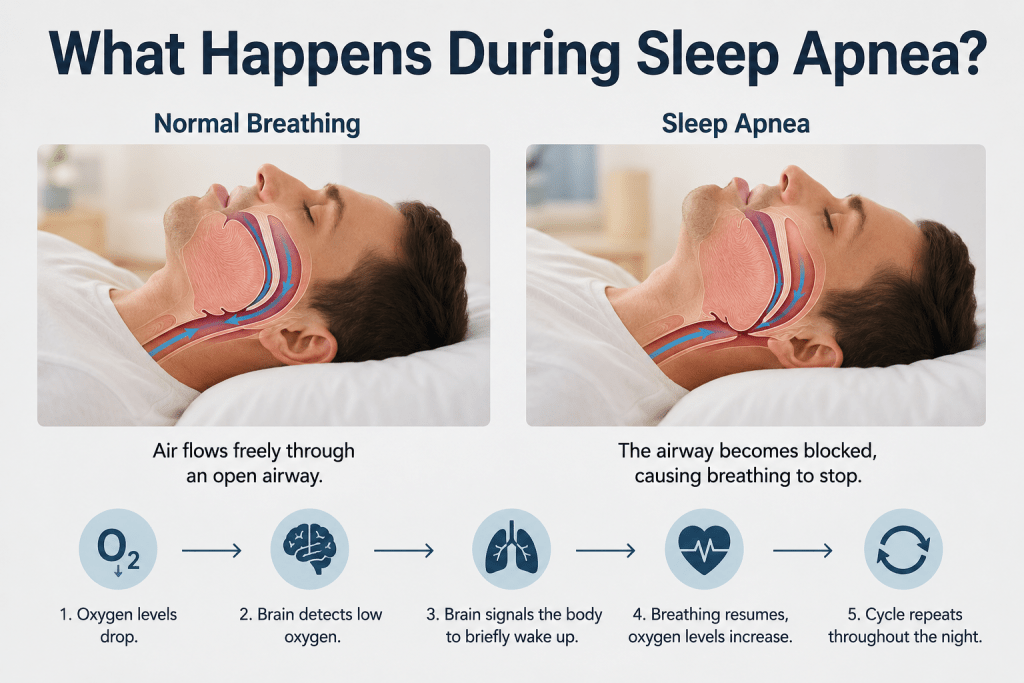
What Happens During Sleep Apnea?
Sleep apnea is a common sleep condition where breathing repeatedly slows down or pauses during sleep. These pauses can lower oxygen levels and interrupt the body’s natural sleep cycles. Many people do not realize these interruptions are happening because they occur while asleep.
When sleep becomes fragmented throughout the night, the brain may spend more time moving in and out of rapid eye movement sleep, also called REM sleep. This is the stage where dreams are often most vivid. Some people report strange dreams, emotionally intense dreams, or nightmares after repeated awakenings.
According to sleep specialists, disrupted breathing can also trigger stress responses in the body. The brain may react to low oxygen levels with sudden alertness, racing thoughts, or fearful dream experiences. This may leave people waking up feeling anxious, sweaty, or emotionally drained in the morning.

Can Sleep Apnea Cause Nightmares or Vivid Dreams?
Many people ask whether there is a connection between breathing problems during sleep and unusual dream activity. The answer is that sleep apnea may contribute to nightmares or vivid dreams in some individuals.
The brain depends on healthy oxygen flow and stable sleep cycles. When breathing interruptions repeatedly disturb sleep, the dream process can become more intense or fragmented. Some people describe dreams that feel unusually realistic, emotional, or stressful.
Researchers continue to study the relationship between sleep disorders and dream patterns, but sleep physicians frequently hear reports of vivid dreams from patients with disrupted sleep. Nightmares may happen alongside other common warning signs such as loud snoring, morning headaches, dry mouth, daytime fatigue, poor concentration, or nighttime gasping.
It is important to remember that vivid dreams alone do not automatically mean someone has sleep apnea. Stress, anxiety, medications, sleep deprivation, and lifestyle habits may also influence dreams. Still, recurring nightmares combined with other sleep symptoms may be worth discussing with a sleep physician.
Why REM Sleep Matters
REM sleep plays an important role in memory, mood, emotional balance, and mental recovery. During REM sleep, the brain is highly active while the body stays physically relaxed.
People with untreated sleep apnea often experience interrupted REM sleep because breathing events can happen more frequently during this stage. These interruptions may repeatedly pull the brain out of deeper sleep levels.
Some sleep experts believe this cycle of entering and leaving REM sleep can increase dream recall. Instead of sleeping continuously, the brain becomes more aware of dreams due to frequent awakenings.
This may explain why some individuals remember intense dreams clearly after waking up multiple times during the night.
Other Signs That May Point to Sleep Apnea
Nightmares and vivid dreams are usually not the only symptoms. Sleep apnea often affects overall wellness, energy levels, and daytime functioning.
Common symptoms may include:
• Loud snoring
• Waking up gasping for air
• Dry mouth in the morning
• Frequent nighttime urination
• Morning headaches
• Feeling tired despite spending enough time in bed
• Trouble focusing during the day
• Mood changes or irritability
Some people assume these symptoms are caused by stress, aging, or busy schedules. In reality, poor sleep quality may be contributing to these issues.
How SLIIIP Makes Sleep Evaluations Easier
SLIIIP provides modern sleep evaluations designed around convenience and accessibility. Patients can complete virtual consultations from home and discuss symptoms with board-certified sleep physicians.
For people who may have disrupted sleep or breathing concerns, home sleep tests can often be shipped directly to the patient’s door. This allows many individuals to complete testing comfortably in their own environment.
SLIIIP also offers nationwide coverage, making it easier for patients across the United States to connect with sleep specialists without long travel times or complicated scheduling.
Many people delay getting evaluated because they assume sleep testing is uncomfortable or inconvenient. Today, home-based testing options and virtual consultations make the process far more approachable for many patients.
Lifestyle Habits That May Affect Dreams and Sleep Quality
Dream intensity may also be influenced by daily habits and overall sleep health. Even small routine changes can support healthier sleep patterns.
Helpful sleep habits may include:
• Keeping a regular sleep schedule
• Limiting alcohol close to bedtime
• Reducing screen time before bed
• Creating a cool and quiet sleep environment
• Avoiding large meals late at night
• Managing stress with relaxation techniques
People experiencing repeated nightmares or vivid dreams should also pay attention to snoring, breathing pauses, and daytime fatigue. These symptoms together may provide important clues about overall sleep quality.
When Should You Talk to a Sleep Specialist?
Occasional vivid dreams are common and usually harmless. However, frequent nightmares, nighttime panic, or repeated awakenings combined with loud snoring or daytime exhaustion may deserve further attention.
A sleep physician can review symptoms, medical history, lifestyle factors, and sleep habits to determine whether additional evaluation may help.
The goal is not simply to improve sleep quantity. Better sleep quality may support mood, concentration, energy, and overall wellness.
People often feel relieved after finally understanding why they wake up exhausted despite spending enough hours in bed.
At Sliiip, we accept the following insurances:

SLIIIP’s board-certified sleep physicians can do sleep evaluations for sleep apnea. Virtual consultations in all 50 states. Home sleep tests shipped to your door.
Helpful SLIIIP Resources
- Meet Dr. Avinesh Bhar
- Understanding Rapid Eye Movement
- How Do I Fix My Circadian Rhythm?
- When Should I See a Doctor for Insomnia?
- The Problem With Sleep Medicine Today
Frequently Asked Questions
Can sleep apnea make dreams feel more intense?
Some people with disrupted sleep report vivid dreams or emotionally intense dreams. Interrupted REM sleep and repeated awakenings may contribute to stronger dream recall.
Do nightmares mean you have sleep apnea?
Not always. Nightmares can happen for many reasons including stress, medications, anxiety, and irregular sleep habits. However, recurring nightmares combined with snoring or daytime fatigue may justify a sleep evaluation.
Can a home sleep test help identify breathing disruptions?
Home sleep tests may help physicians evaluate breathing patterns, oxygen levels, and other signs associated with sleep apnea in appropriate patients.
Does SLIIIP offer virtual sleep consultations?
Yes. SLIIIP offers virtual consultations and home sleep testing options designed to make sleep care more convenient.
Is sleep apnea linked to daytime fatigue?
Yes. Interrupted sleep may leave people feeling tired, unfocused, or mentally drained during the day.
SLIIIP’s board-certified sleep physicians can do sleep evaluations for sleep apnea. Virtual consultations in all 50 states. Home sleep tests shipped to your door.
Trusted External Sources
Latest posts
-
Acid Reflux and Sleep Apnea: Why You Wake Up Choking
Acid reflux and sleep apnea show up together far more often than most people expect, and Dr. Avinesh Bhar, Board-Certified Sleep Physician at SLIIIP.com, hears the same story again and…
-
Glymphatic System and Sleep: Your Brain’s Night Wash
The glymphatic system and sleep came into focus about a decade ago when researchers described a fluid pathway that appears to flush waste products through brain tissue, and Dr. Avinesh…
-
Bed Rotting: Real Self-Care or Hidden Exhaustion?
Bed rotting is the name people give to spending a whole day under the covers with snacks, a phone, and no plans, and Dr. Avinesh Bhar, Board-Certified Sleep Physician at…
Get updates
Spam-free subscription, we guarantee. This is just a friendly ping when new content is out.

