👉 Register for Free. How to Diagnose Sleep Apnea Faster in Primary Care – FREE Webinar by Dr. Audrey Wells. – Friday, April 24 at 12 PM ET

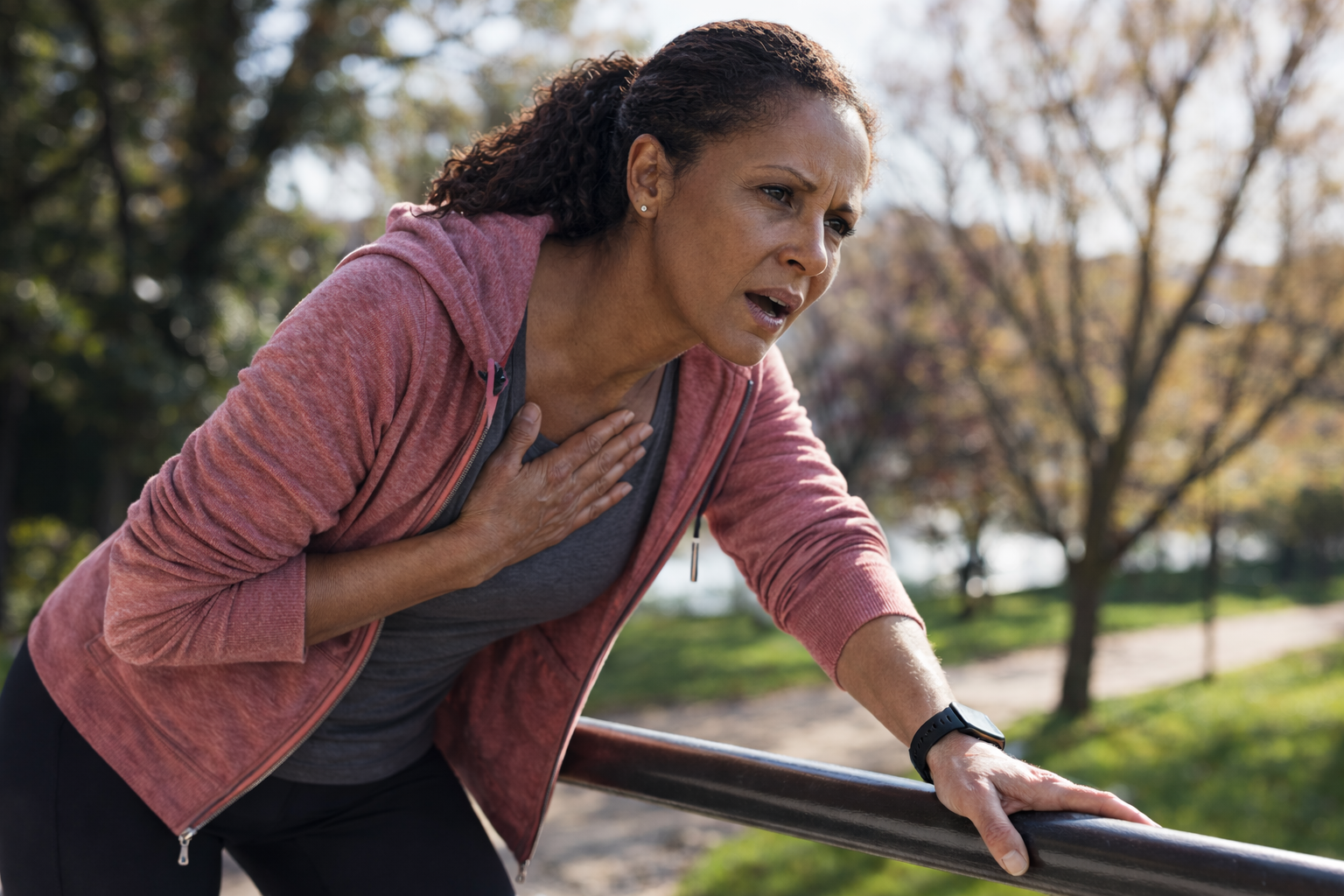
Heart Disease Warning Signs in Women: What Your Sleep Is Telling You
Heart disease warning signs in women are often subtle, easy to dismiss, and deeply connected to sleep quality. Women are more likely to experience fatigue, shortness of breath, jaw pain, and sleep disturbances than sudden chest pain. Recognizing these signals early, and understanding the sleep connection, can lead to answers you may not have found elsewhere.
This article was developed with clinical insights from Dr. Avinesh Bhar. His work evaluating thousands of patients at the intersection of sleep medicine and cardiovascular health informs the guidance below.
You Have Been Feeling Off. You Are Not Imagining It.
You wake up tired. Again. You climb a flight of stairs and feel winded. Your chest felt tight last week. You told yourself it was stress.
But something keeps nagging at you. You are right to listen to it.
According to the Centers for Disease Control and Prevention, heart disease is the leading cause of death for women in the United States. It accounts for approximately 1 in every 5 female deaths.
The most dangerous thing about heart disease warning signs in women is not the symptoms. It is how easy they are to miss.
The Myth That Heart Disease Is a Man’s Problem
For decades, cardiovascular research focused mostly on men. That shaped how the public thinks about heart attacks: sudden, dramatic, crushing chest pain.
That picture does not match what most women experience. And it has cost lives.
Women develop heart disease at rates nearly equal to men. It often appears about a decade later, due to the protective effects of estrogen before menopause. Once that protection fades, risk rises fast.
Women are also more likely to develop microvascular disease. This affects the smallest arteries of the heart. It often does not show up on standard tests designed for men.
Heart Disease Warning Signs in Women: Know What to Look For
The symptoms women experience are often quiet. They come and go. They are easy to explain away.
Here are the most commonly reported heart disease warning signs in women:
Unusual fatigue. A persistent exhaustion that rest does not fix. This can appear weeks before a cardiac event.
Shortness of breath. Feeling winded during routine activity. Or struggling to breathe while lying flat.
Chest pressure or tightness. Often described as squeezing or burning. Not always sharp. Not always constant.
Jaw, neck, back, or upper abdomen pain. These locations are more common in women. They are often mistaken for muscle strain.
Nausea, lightheadedness, or cold sweats. These may come on suddenly or build slowly over days.
Sleep disturbances. Difficulty falling asleep, waking often, or feeling unrefreshed. Research links disrupted sleep directly to cardiovascular risk.
If you are experiencing unexplained fatigue alongside any of these symptoms, a medical evaluation is important. Do not wait for symptoms to feel more serious.
The Sleep and Heart Health Connection You Cannot Ignore
During healthy sleep, your heart rate slows. Your blood pressure drops. Your cardiovascular system gets time to recover.
This nightly recovery window is not optional. It is essential.
When sleep is disrupted night after night, your heart never gets that rest. Your body stays in a low-level state of physiological stress instead.
Repeated breathing disruptions during sleep cause:
- Drops in blood oxygen levels
- Surges in cortisol and adrenaline
- Spikes in blood pressure that carry over into the day
- Increased inflammation throughout the body
- Disruption of the autonomic nervous system
Over time, these effects contribute to hypertension, irregular heart rhythms, arterial stiffness, and metabolic changes. Published research in the National Library of Medicine confirms that obstructive sleep apnea is an independent risk factor for cardiovascular disease.
For postmenopausal women, the risk compounds. Estrogen’s cardiovascular protection declines. Sleep-disordered breathing becomes more common. Both happen at the same time.
Learn more about how sleep apnea affects cardiovascular health: Can Sleep Apnea Cause Heart Disease?

Why Women’s Sleep Problems Go Undetected
Women with nighttime breathing problems rarely present like the textbook case. There is often no loud snoring. No obvious gasping.
Instead, women report trouble staying asleep. Morning headaches. Daytime fatigue. Mood changes. Feeling unrefreshed no matter how long they sleep.
These symptoms overlap with menopause, stress, depression, and aging. So they get attributed to those causes. The sleep component goes uninvestigated.
The result: an estimated 90 percent of women with obstructive sleep apnea remain undiagnosed.
If you are seeing heart disease warning signs in women in yourself, and your sleep is poor, those two things may be connected.
Read more: Sleep Apnea Symptoms in Women
Expert Q&A
Q: Can poor sleep really affect my heart health?
“Absolutely. When your breathing is disrupted during sleep, your oxygen levels drop repeatedly. Your blood pressure spikes. Your heart works harder than it should all night long. Over months and years, this puts serious strain on the cardiovascular system. Many of the women I evaluate for fatigue and poor sleep also have blood pressure that their primary care providers have struggled to control.”
Dr. Avinesh Bhar Board Certified Sleep Physician Sliiip.com
Expert Q&A
Q: I do not snore loudly. Could I still have a breathing problem during sleep?
“Yes. This is one of the most common misconceptions I see. Many women with significant nighttime breathing disruptions do not snore at all. Their primary complaints are fatigue, poor concentration, and restless sleep. A home sleep test is the most reliable way to find out what is actually happening while you sleep.”
Dr. Avinesh Bhar Board Certified Sleep Physician Sliiip.com
Watch: Sleep Apnea in Women
Learn how sleep-disordered breathing affects women differently and why it is so often missed.
Why Women Miss Heart Disease Warning Signs in Women
Women are more likely than men to dismiss symptoms. To wait. To assume something else explains it.
Part of this comes from a healthcare system that has historically underdiagnosed cardiovascular disease in women. Part of it comes from symptoms that genuinely overlap with other conditions.
But the pattern is clear. Women who experience heart disease warning signs in women are more likely to delay seeking care. That delay leads to worse outcomes.
If you have been experiencing racing heart at night, unexplained tiredness, or difficulty breathing, do not assume it is just aging.
Related reading: Why Do I Wake Up With My Heart Racing?
How a Home Sleep Test Can Provide Answers
A home sleep test does not diagnose heart disease. But it can identify nighttime breathing disruptions that directly increase cardiovascular risk.
The test is simple. You wear a small device overnight at home. It records your breathing, oxygen levels, and sleep patterns. A board-certified physician reviews your results.
If breathing disruptions are found, treatment options exist. Addressing them reduces the physiological stress your heart experiences every night.
Sliiip offers home sleep testing with no referral required, available in all 50 states.
Learn how the process works: Sleep Apnea Test at Home
Daily Steps That Support Heart and Sleep Health
Medical evaluation is essential for any cardiovascular or sleep concern. These daily habits also matter.
Know your numbers. Monitor blood pressure, cholesterol, and blood sugar regularly. Ask your provider about age-appropriate cardiovascular screening.
Prioritize sleep quality. Seven to eight hours of uninterrupted sleep is the goal. Waking up unrefreshed suggests a quality problem, not just a quantity problem.
Stay physically active. The American Heart Association recommends 150 minutes of moderate aerobic activity per week. Exercise supports the cardiovascular system and improves sleep quality.
Manage stress. Chronic stress raises cortisol and disrupts sleep. Breathwork, mindfulness, and consistent routines help buffer these effects.
Trust your instincts. If something feels wrong, act on it. Heart disease warning signs in women are often quiet. That does not make them less real.
Also relevant: How Does Sleep Apnea Affect the Heart?
Could Your Sleep Be Affecting Your Heart Health?
Think Your Symptoms Might Be More Than Stress?
Over 10,000 consultations completed. No referral required. Board-certified sleep physicians available in all 50 states. Most major insurance plans accepted, including Medicare and Tricare.

Frequently Asked Questions About Heart Disease Warning Signs in Women
What are the most common heart disease warning signs in women? The most frequently reported signs include unusual fatigue, shortness of breath, chest pressure or tightness, jaw or back pain, nausea, lightheadedness, and sleep disturbances. Women experience these differently than men. That difference is why they are so often missed.
Why do heart disease symptoms look different in women? Women are more likely to have microvascular disease, which affects the smallest arteries of the heart. This produces subtler symptoms that standard tests may miss. Hormonal changes, especially the loss of estrogen after menopause, also change how symptoms present.
Can sleep problems increase heart disease risk in women? Yes. Disrupted sleep causes repeated oxygen drops, blood pressure spikes, and systemic inflammation. Over time, these effects significantly increase cardiovascular risk. Postmenopausal women face a compounding risk because hormonal changes reduce cardiovascular protection while sleep-disordered breathing becomes more common.
What does a heart attack feel like for a woman? Many women describe pressure, tightness, or burning rather than sharp pain. Pain may radiate to the jaw, neck, back, or arms. Some women experience primarily nausea, breathlessness, or extreme fatigue with no notable chest pain at all.
Is fatigue a heart disease warning sign in women? Unusual, persistent fatigue is one of the most commonly reported early heart disease warning signs in women. It can appear weeks before a cardiac event. When combined with other subtle symptoms, it should be evaluated rather than dismissed.
How does menopause affect heart disease risk? Estrogen helps protect cardiovascular health before menopause by maintaining arterial flexibility and supporting healthy cholesterol levels. After menopause, these protective effects decline. Heart disease risk rises to levels comparable with men of the same age.
Can a sleep test help identify cardiovascular risk? A sleep evaluation does not diagnose heart disease directly. But it can identify nighttime breathing disruptions that are a known independent risk factor for hypertension, irregular heart rhythms, and cardiovascular events. Addressing these disruptions reduces the physiological load on the heart.
What is the connection between snoring and heart disease? Snoring can indicate upper airway narrowing during sleep. When that narrowing causes repeated breathing pauses, the resulting oxygen drops and blood pressure spikes contribute directly to cardiovascular strain. Even without full apneic events, upper airway resistance during sleep elevates risk.
Should I see a cardiologist or a sleep specialist first? For acute symptoms like chest pain or sudden severe breathlessness, seek emergency care immediately. For chronic symptoms like persistent fatigue, poor sleep, and subtle cardiovascular warning signs, a home sleep evaluation is a practical first step. It can be done without a referral and from home.
How can I reduce heart disease risk after menopause? Regular cardiovascular screening, consistent physical activity, maintaining a healthy weight, managing blood pressure and cholesterol, not smoking, and getting high-quality sleep are the most evidence-supported strategies. Addressing sleep-disordered breathing, if present, is one of the most impactful and often overlooked steps.
Are heart palpitations a warning sign of heart disease in women? Heart palpitations can have many causes. Frequent or persistent palpitations combined with fatigue, shortness of breath, or chest discomfort should be evaluated. Sleep-disordered breathing is a common contributor to nighttime palpitations and irregular heart rhythms.
Does sleep apnea cause high blood pressure in women? Repeated nighttime breathing disruptions trigger surges in sympathetic nervous system activity and blood pressure that can persist into the day. Sleep-disordered breathing is a leading cause of resistant hypertension. Addressing the sleep component often improves blood pressure control significantly.
Latest posts
-
Why Are My Naps Never Refreshing?
Last updated: October 2, 2026. Medically reviewed by Dr. Avinesh Bhar, Board-Certified Sleep Physician, SLIIIP.com. Naps that leave you groggy usually come down to how long you sleep, when you…
-
Is Sleeping Too Much a Sleep Disorder?
Last updated: October 2, 2026. Medically reviewed by Dr. Avinesh Bhar, Board-Certified Sleep Physician, SLIIIP.com. Sleeping too much is not always a sleep disorder, but it can be a sign…
-
Why Does My Insomnia Get Worse After Stopping Sleep Medication?
Last updated: October 2, 2026. Medically reviewed by Dr. Avinesh Bhar, Board-Certified Sleep Physician, SLIIIP.com. Insomnia can get worse after stopping sleep medication for three main reasons. They are rebound…
Get updates
Spam-free subscription, we guarantee. This is just a friendly ping when new content is out.

