👉 Register for Free. How to Diagnose Sleep Apnea Faster in Primary Care – FREE Webinar by Dr. Audrey Wells. – Friday, April 24 at 12 PM ET


Why do I wake up with my heart racing?
You wake up suddenly, and the first thing you notice is your heart slamming against your chest. You wonder “Why do I wake up with my heart racing?”
Understanding why it happens is the first step toward finding relief.
Dr. Avinesh Bhar covers the most common reasons your heart may race upon waking.The critical connection to sleep disorders, and what treatment options are available.
What Causes Your Heart to Race When You Wake Up?
Your heart rate is controlled by your autonomic nervous system, which operates without conscious effort. During healthy sleep, your heart rate naturally slows as your parasympathetic (rest and digest) nervous system takes over. When something disrupts this process, whether it is a drop in oxygen, a surge of stress hormones, or an emotional trigger, your sympathetic (fight or flight) nervous system can activate suddenly, causing your heart to race.
Dr. Audrey Wells explains the reasons why you have trouble falling asleep.
Common Causes of Waking With a Racing Heart
1. Obstructive Sleep Apnea
Obstructive sleep apnea is one of the most significant and frequently overlooked causes of nighttime heart racing. When your airway becomes partially or completely blocked during sleep, your blood oxygen levels drop. Your brain responds by triggering a burst of adrenaline and cortisol to wake you enough to resume breathing. This stress hormone surge causes your heart to race, sometimes dramatically.
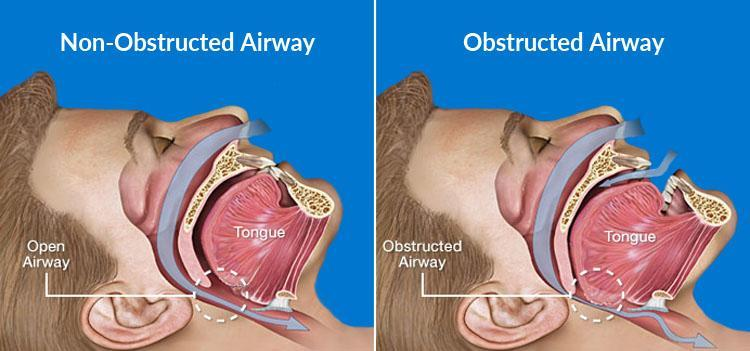
People with moderate to severe sleep apnea may experience these episodes dozens or hundreds of times per night. Over time, the repeated oxygen drops and adrenaline surges put significant strain on the cardiovascular system, increasing the risk of high blood pressure, atrial fibrillation, heart attack, and stroke.
Critical Connection: According to an American Heart Association scientific statement, strong evidence implicates sleep-disordered breathing in cardiac arrhythmogenesis, with patients estimated to face a 2 to 4 times greater risk of abnormal heart rhythms. The repeated oxygen desaturation and adrenaline surges directly stress the heart. Many patients first discover their sleep apnea after reporting episodes of waking with a racing heart.
2. Anxiety and Nocturnal Panic Attacks
Nocturnal panic attacks can strike without warning, jolting you awake with a racing heart, sweating, shortness of breath, and intense fear.
Importantly, some people who believe they are having nocturnal panic attacks actually have undiagnosed sleep apnea, because the symptoms overlap significantly.
3. Nightmares and Night Terrors
Vivid or frightening dreams can activate the sympathetic nervous system, causing your heart rate to spike. Night terrors, which typically occur during deep non-REM sleep, can produce dramatic increases in heart rate, sometimes accompanied by screaming or thrashing. You may or may not remember the episode.
4. Atrial Fibrillation and Heart Arrhythmias
Atrial fibrillation (AFib) is an irregular heart rhythm that can cause the heart to beat rapidly and erratically. AFib episodes often occur at night or upon waking. Notably, sleep apnea is a major risk factor for developing AFib, and treating the sleep apnea can reduce the frequency and severity of AFib episodes.
5. Caffeine, Alcohol, and Stimulants
Caffeine consumed too late in the day, excessive alcohol (which initially sedates but disrupts sleep architecture later in the night), and nicotine can all elevate heart rate during sleep. Even if you fall asleep easily, these substances can cause your heart to race during lighter sleep phases or upon waking.
6. Blood Sugar Fluctuations
Low blood sugar during the night (nocturnal hypoglycemia) can trigger the release of adrenaline and cortisol as your body attempts to raise glucose levels. This stress response can wake you with a racing heart, sweating, and feelings of anxiety. This is more common in people with diabetes but can occur in anyone who goes to bed without adequate nutrition.
7. Dehydration
When you are dehydrated, your blood volume decreases, and your heart has to work harder to circulate blood. This can cause your heart rate to increase, particularly during sleep when you go several hours without drinking fluids. If you regularly wake with a fast heartbeat and dry mouth, dehydration may be a contributing factor.
8. Thyroid Disorders
An overactive thyroid (hyperthyroidism) produces excess thyroid hormones that accelerate your metabolism and stimulate your cardiovascular system. A racing heart, especially upon waking, is one of the hallmark symptoms. Thyroid function can be evaluated with a simple blood test.

Self-Assessment: Should You See a Doctor?
Seek medical evaluation if you experience any of the following:
- You wake with a racing heart more than twice a week
- Episodes are accompanied by chest pain, shortness of breath, or dizziness
- Your bed partner reports snoring, gasping, or breathing pauses during your sleep
- You feel excessively tired during the day despite adequate time in bed
- You have risk factors for heart disease or a family history of arrhythmias
- Episodes are accompanied by profuse sweating or feelings of impending doom
Diagnosis and Treatment
Your doctor will likely ask about the frequency and nature of your symptoms, review your medical history, and may order tests including an EKG, blood work (to check thyroid function, blood sugar, and electrolytes), and a sleep study if sleep apnea is suspected. A home sleep apnea test can be arranged through telemedicine services like SLIIIP, allowing you to be tested in your own bed.

If obstructive sleep apnea is diagnosed, treatment with CPAP therapy or oral appliance therapy can eliminate the oxygen drops and adrenaline surges that cause nighttime heart racing. Many patients report that their racing heart episodes stop within the first few weeks of consistent treatment.
Oral Appliance Therapy: What Patients Want to Know
For patients with obstructive sleep apnea, oral appliance therapy provides a comfortable alternative to CPAP. These custom-fitted devices reposition the lower jaw during sleep to prevent airway collapse.

Below, a dentist answers a common question many people wonder about.
Q:Why is oral appliance good for sleep apnea?
Dr. Paredes
“Best alternative for patients who can’t tolerate CPAP device. Patients use these appliances say they sleep better and feel more rested in the morning. I personally can testify to that because I have been using one for the past fifteen years. My was 35 and with appliance use AHI 7.”
Frequently Asked Questions
Is it dangerous to wake up with a racing heart?
It depends on the cause. Occasional episodes related to stress, caffeine, or a nightmare are typically not dangerous. However, frequent episodes, especially if accompanied by other symptoms like chest pain or witnessed breathing pauses, should be evaluated promptly. Untreated sleep apnea, in particular, carries significant cardiovascular risk.
Can sleep apnea cause heart palpitations?
Yes. The repeated oxygen drops caused by sleep apnea trigger adrenaline surges that can cause your heart to beat rapidly or irregularly. Sleep apnea is also a major risk factor for atrial fibrillation and other cardiac arrhythmias. Treating the sleep apnea with a custom oral appliance or CPAP significantly reduces this risk.
Why does my heart race at night but not during the day?
During the day, your conscious activities and movements help maintain normal cardiovascular function. At night, if your airway is collapsing (sleep apnea), your oxygen is dropping, or stress hormones are spiking, the effects on your heart become more noticeable because your body is otherwise at rest. The contrast makes the racing heart feel more dramatic.
Latest posts
-
Why Are My Naps Never Refreshing?
Last updated: October 2, 2026. Medically reviewed by Dr. Avinesh Bhar, Board-Certified Sleep Physician, SLIIIP.com. Naps that leave you groggy usually come down to how long you sleep, when you…
-
Is Sleeping Too Much a Sleep Disorder?
Last updated: October 2, 2026. Medically reviewed by Dr. Avinesh Bhar, Board-Certified Sleep Physician, SLIIIP.com. Sleeping too much is not always a sleep disorder, but it can be a sign…
-
Why Does My Insomnia Get Worse After Stopping Sleep Medication?
Last updated: October 2, 2026. Medically reviewed by Dr. Avinesh Bhar, Board-Certified Sleep Physician, SLIIIP.com. Insomnia can get worse after stopping sleep medication for three main reasons. They are rebound…
Get updates
Spam-free subscription, we guarantee. This is just a friendly ping when new content is out.

