👉 Register for Free. How to Diagnose Sleep Apnea Faster in Primary Care – FREE Webinar by Dr. Audrey Wells. – Friday, April 24 at 12 PM ET

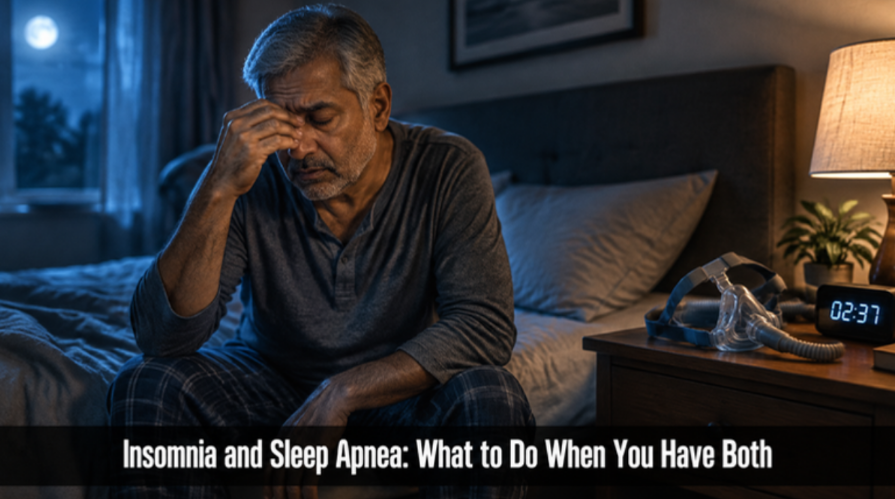
Insomnia and Sleep Apnea: What to Do When You Have Both
Last updated: October 26, 2026. Medically reviewed by Dr. Avinesh Bhar, Board-Certified Sleep Physician, SLIIIP.com.
Yes, you can have insomnia and sleep apnea at the same time. Doctors call this combination COMISA, short for comorbid insomnia and sleep apnea. Insomnia and sleep apnea show up together in roughly 30 to 50 percent of people with either condition.
Dr. Avinesh Bhar, Board-Certified Sleep Physician at SLIIIP.com, makes a simple clinical point about this. When insomnia keeps coming back despite good habits or sleep aids, he looks for a breathing problem underneath it. Treating only one of the two conditions often leaves people still tired, still awake at night, and unsure why.
SLIIIP’s board-certified sleep physicians can do sleep evaluations for sleep apnea. Virtual consultations in all 50 states. Home sleep tests shipped to your door.
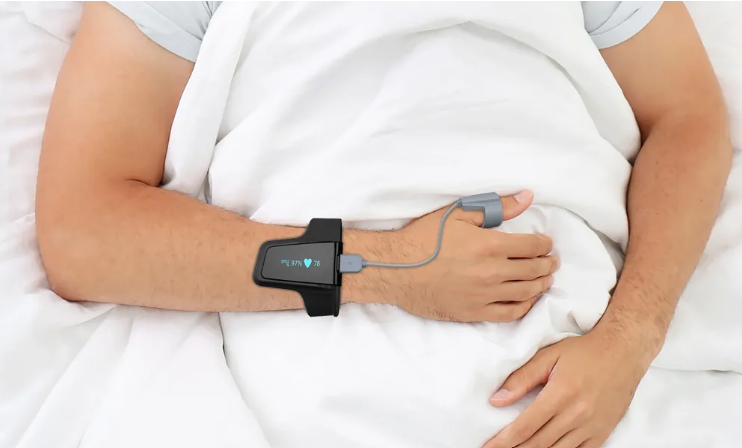
Can You Have Insomnia and Sleep Apnea at the Same Time?
Yes, and it is common. Insomnia and obstructive sleep apnea often happen together, and each one can make the other harder to manage.
A review of COMISA research published in Brain Sciences found that about 38 percent of people with sleep apnea also meet the criteria for insomnia. The same review found that about 35 percent of people with insomnia had at least mild sleep apnea on testing.
These two problems feel very different. Insomnia is trouble falling asleep, staying asleep, or waking too early. Sleep apnea is repeated pauses or dips in breathing during sleep. Yet they share one key result: broken, unrefreshing sleep.
What Is COMISA?
COMISA stands for comorbid insomnia and sleep apnea. It means a person has chronic insomnia and obstructive sleep apnea at the same time.
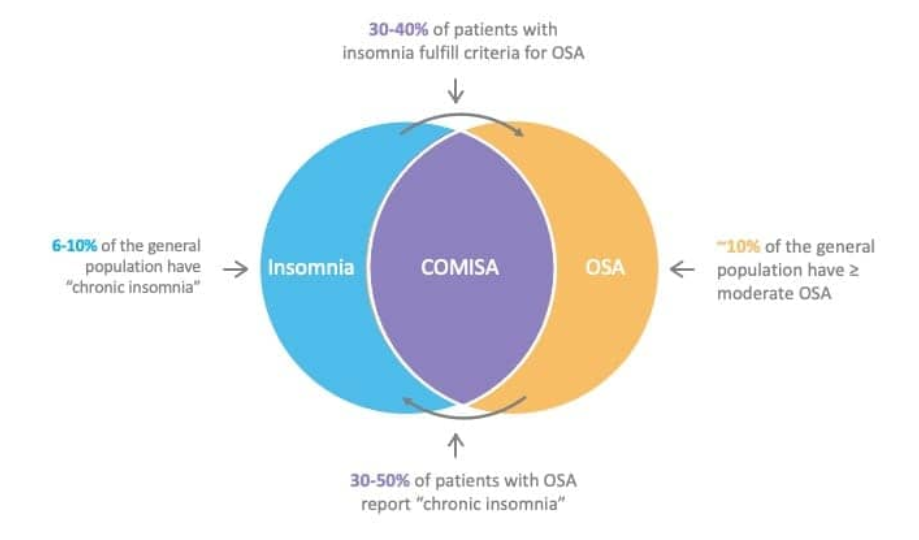
Chronic insomnia usually means poor sleep at least three nights a week for three months or more. It also means the poor sleep affects how you feel or function during the day.
Obstructive sleep apnea means the upper airway narrows or closes again and again during sleep.
How Does Sleep Apnea Feed Insomnia, and Vice Versa?
The two conditions are linked in a loop. Sleep apnea is associated with frequent brief awakenings, and those awakenings can turn into long stretches of lying awake.
Each breathing pause can end with a short arousal from sleep. Most people do not remember these arousals. But some wake fully, check the clock, and start worrying about sleep. Over weeks, that worry can become its own problem.
Insomnia can also affect sleep apnea care. People who already struggle to fall asleep may find a CPAP mask harder to get used to. Lying awake with a mask on can feel like proof that treatment is not working.
Here are signs that both problems may be present:
- Taking more than 30 minutes to fall asleep on most nights
- Waking up often and struggling to fall back asleep
- Loud snoring, gasping, or breathing pauses noticed by a partner
- Waking with a dry mouth or a morning headache
- Feeling tired all day even after time in bed
- Trying sleep aids or good sleep habits with little change
Why Is COMISA So Often Missed?
COMISA is easy to miss because the louder symptom gets all the attention. A person who reports trouble sleeping is often treated for insomnia without ever being checked for sleep apnea.
Many people with sleep apnea do not snore loudly or feel sleepy in the classic way. Instead, they describe light, broken sleep. That sounds like insomnia, so a breathing test may never be ordered.
The reverse also happens. Someone diagnosed with sleep apnea may still lie awake for hours after starting CPAP. They may be told to keep trying, when an insomnia treatment could help.
Our article on whether you have insomnia or something else walks through other conditions that can look like insomnia. If your insomnia has lasted months, see when chronic insomnia calls for a sleep test.
How Are Insomnia and Sleep Apnea Diagnosed Together?
Diagnosis usually takes two steps. Sleep apnea is confirmed with a sleep study, while insomnia is diagnosed from your sleep history over weeks or months.
A home sleep test or an in-lab study measures breathing, oxygen levels, and heart rate during sleep. A single bad night is not enough to diagnose insomnia. A sleep diary kept for one to two weeks helps show the real pattern.
Which Should Be Treated First, Insomnia or Sleep Apnea?
There is no single order that fits everyone. Many sleep physicians now treat both conditions together rather than waiting for one to resolve first.
The Brain Sciences review describes trials where people with COMISA received cognitive behavioral therapy for insomnia, called CBT-I. In some of those trials, the CBT-I group used CPAP longer each night than the comparison group. Other trials found no clear difference, so the evidence is still mixed.
CBT-I is a structured, drug-free program for chronic insomnia. It works on sleep timing, time in bed, and the worried thoughts that keep people awake. It is usually delivered over several weekly sessions, in person or online.
CPAP keeps the airway open with gentle air pressure. For some people, it clears up part of their insomnia by stopping breathing-related awakenings. For others, insomnia stays even when breathing is well controlled.
Once insomnia has become chronic, treating sleep apnea alone may not make it go away. That is why a care plan that addresses both problems often makes sense.
Are Sleeping Pills Safe If You Have Sleep Apnea?
Sleeping pills need extra care when sleep apnea may be present.
Some sleep aids may worsen breathing during sleep, so they should only be used under a doctor’s guidance.
The AASM-linked COMISA guide lists sleep aids as a fallback when CBT-I is unavailable, unsuccessful, or declined. It also notes that some of these medicines may make sleep-disordered breathing worse.
Alcohol used as a nightcap raises similar concerns. It may help you fall asleep, but it is associated with more broken sleep later in the night. Never start, stop, or change a prescribed medicine on your own. Talk to the doctor who prescribed it first.
Can CPAP Make Insomnia Feel Worse at First?
Yes, some people feel they sleep worse in the first weeks of CPAP. This is more common in people who already have insomnia, and it does not mean CPAP is failing.

A new mask, the sound of the machine, and the feeling of air pressure can all keep a light sleeper awake. These early problems often improve with small changes and support.
- Practice wearing the mask while awake, such as while reading or watching TV
- Ask your sleep team about the ramp feature, which starts with lower pressure
- Check mask fit, since leaks and noise can wake you up
- Use the humidifier if dryness bothers you
- Get out of bed if you lie awake for a long time, then return when sleepy
- Keep the same wake time every day, even after a poor night
Do not change your CPAP pressure settings on your own. Pressure changes should come from your sleep physician, based on your data and symptoms.
What Can You Do at Home Right Now?
Some simple steps support both conditions while you wait for testing or care. Good habits alone rarely fix chronic insomnia, but they can make treatment work better.
- Keep a sleep diary for two weeks and bring it to your visit
- Ask a bed partner whether they notice snoring or breathing pauses
- Avoid alcohol close to bedtime
- Limit caffeine after early afternoon
- Try sleeping on your side if you snore on your back
- Keep your bedroom cool, dark, and quiet
These steps are not a replacement for testing. If sleep stays poor, a sleep evaluation can help find out what is behind it.
Watch: Dr. Wells explains what are the signs of insomnia
When to See a Doctor
See a sleep doctor if insomnia lasts more than a few weeks or keeps coming back. Insomnia with snoring, gasping, morning headaches, or daytime sleepiness is a strong reason to get tested for sleep apnea.
Dr. Avinesh Bhar recommends a sleep apnea test for anyone whose insomnia has not improved with CBT-I or sleep aids.
He also suggests a recheck for people who still lie awake after weeks of CPAP use. In both cases, the missing piece may be the second condition.
Many health plans cover sleep evaluations and home sleep tests. SLIIIP works with major insurance plans, including those below.

Check your coverage in minutes. SLIIIP’s board-certified sleep physicians offer virtual consultations in all 50 states, with home sleep tests shipped to your door.
For cash payments, price for Initial Consultation is $150
Follow up appointments cost $125
Frequently Asked Questions
Can you have insomnia and sleep apnea at the same time?
Yes. Having both is common and is called COMISA, short for comorbid insomnia and sleep apnea.
How common is COMISA?
Research suggests about 30 to 50 percent of people with one condition also have the other.
Can sleep apnea cause insomnia?
Sleep apnea is linked to frequent brief awakenings. These can turn into long periods of lying awake for some people.
Can insomnia cause sleep apnea?
Insomnia does not block the airway. But the two conditions often occur together and can make each other harder to manage.
What are the signs of having both?
Trouble falling or staying asleep combined with snoring, gasping, morning headaches, or daytime tiredness are common signs.
Do I need a sleep study if I have insomnia?
A sleep study is worth discussing if you snore, gasp, or stay tired despite insomnia treatment.
Can a home sleep test work if I have insomnia?
Often yes. If you sleep very little on test night, your doctor may suggest repeating the test or an in-lab study.
What is CBT-I?
CBT-I is cognitive behavioral therapy for insomnia. It is a structured, drug-free program that works on sleep habits and worried thoughts.
Does CBT-I work if I also have sleep apnea?
Research suggests CBT-I can help people with COMISA. Some studies also link it with longer nightly CPAP use.
Will CPAP fix my insomnia?
CPAP may ease insomnia linked to breathing-related awakenings. Long-standing insomnia often needs its own treatment.
Why do I sleep worse after starting CPAP?
A new mask and air pressure can keep light sleepers awake at first. Fit, ramp settings, and practice often help.
Should I treat insomnia or sleep apnea first?
There is no single right order. Many sleep doctors address both conditions together.
Are sleeping pills safe with sleep apnea?
Some sleep aids may worsen breathing during sleep. Use them only under a doctor's guidance.
Is melatonin safe if I have sleep apnea?
Ask your sleep doctor before taking any sleep aid. Melatonin does not treat sleep apnea.
Can alcohol make COMISA worse?
Alcohol is associated with more broken sleep later in the night. It is best avoided close to bedtime.
Can I adjust my CPAP pressure myself?
No. Pressure changes should come from your sleep physician based on your data and symptoms.
Does a negative sleep study rule out sleep apnea?
Not always. A test done during a night of very poor sleep may need repeating.
Can a sleep diary help?
Yes. A one to two week diary shows your real sleep pattern and helps your doctor plan care.
Can I get evaluated for both conditions online?
A virtual sleep visit can review your symptoms and arrange a home sleep test when appropriate.
Does insurance cover a sleep evaluation?
Many health plans cover sleep evaluations and home sleep tests. Check your own plan's benefits.
SLIIIP's board-certified sleep physicians can do sleep evaluations for sleep apnea. Virtual consultations in all 50 states. Home sleep tests shipped to your door.
Latest posts
-
Can I Get a Home Sleep Test Without a Referral? Yes, Here’s How
Last updated: October 30, 2026. Medically reviewed by Dr. Avinesh Bhar, Board-Certified Sleep Physician, SLIIIP.com. Yes, you can usually get a home sleep test without a referral from your primary…
-
Where Can I Get a Home Sleep Apnea Test? 4 Options Compared
Last updated: October 29, 2026. Medically reviewed by Dr. Avinesh Bhar, Board-Certified Sleep Physician, SLIIIP.com. There are four main places to get a home sleep apnea test. They are your…
-
Tired But Can’t Sleep? Why It Happens and What Helps
Last updated: October 28, 2026. Medically reviewed by Dr. Avinesh Bhar, Board-Certified Sleep Physician, SLIIIP.com. Feeling tired but unable to sleep usually means your body is worn out while your…
Get updates
Spam-free subscription, we guarantee. This is just a friendly ping when new content is out.

