👉 Register for Free. How to Diagnose Sleep Apnea Faster in Primary Care – FREE Webinar by Dr. Audrey Wells. – Friday, April 24 at 12 PM ET

Mild vs Severe Sleep Apnea
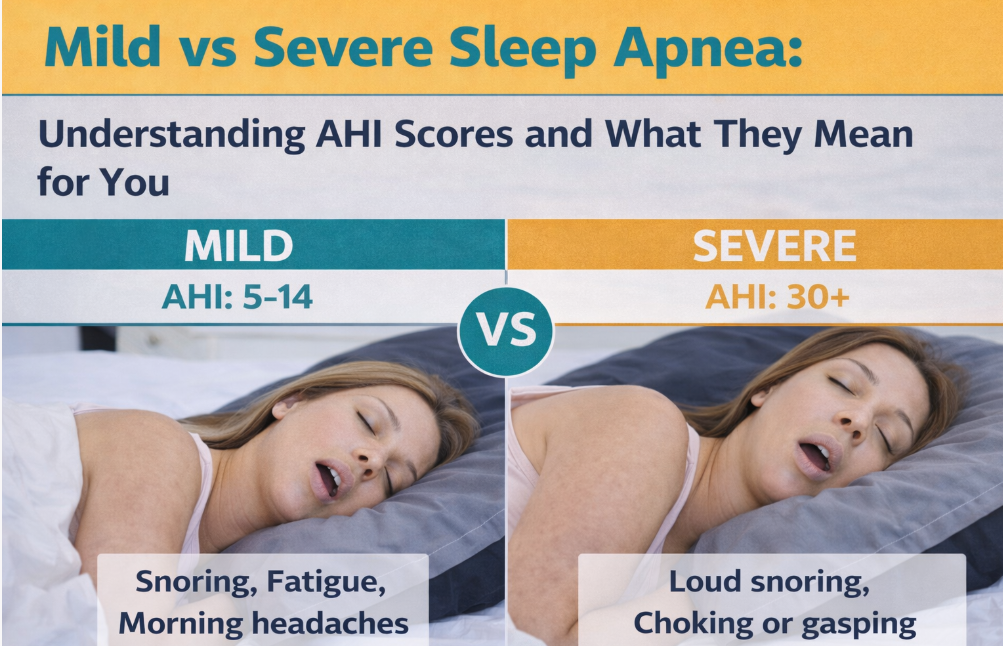
After a sleep study, one of the first things you will see on your results is a number called the AHI, or apnea-hypopnea index.You may be wondering the difference with mild vs severe sleep apnea and its the way sleep physicians determine the type of sleep apnea treatment you need.
Dr. Avinesh Bhar, the Founder of SLIIIP, is also a sleep apnea sufferer. He has helped thousands understand their AHI scores and get the right level of care, and he and his team of board-certified sleep medicine physicians can help you too. This guide breaks down everything you need to know about mild vs severe sleep apnea and AHI scores so you can make the best decision for your health.
What the AHI Score Measures
The apnea-hypopnea index counts two types of breathing events during sleep. An apnea is a complete pause in airflow lasting at least 10 seconds. A hypopnea is a partial reduction in airflow, also lasting at least 10 seconds, that results in either a drop in blood oxygen levels or a brief arousal from sleep. Your AHI is calculated by dividing the total number of these events by the total hours of sleep recorded during your study.
This single number provides a snapshot of how frequently your breathing is disrupted throughout the night. A higher AHI means more frequent interruptions, which typically translates to more fragmented sleep and a greater impact on your body. SLIIIP provides a detailed breakdown of what constitutes a good AHI score and how to interpret it in the context of CPAP use.
The AHI Scale: From Normal to Severe
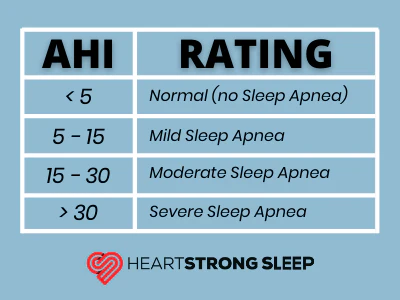
The American Academy of Sleep Medicine classifies sleep apnea severity using the following ranges for adults. An AHI of fewer than 5 events per hour is considered normal, meaning no significant sleep-disordered breathing is present. Mild sleep apnea is defined as an AHI of 5 to 14 events per hour. This means your breathing is disrupted an average of 5 to 14 times every hour you are asleep. Moderate sleep apnea falls between 15 and 29 events per hour. Severe sleep apnea is classified as 30 or more events per hour. In the most extreme cases, some people experience 60, 80, or even more than 100 events per hour.
For children, the thresholds are lower. An AHI of 1 or above is considered abnormal in pediatric patients, because even a small number of breathing events can have a more pronounced impact on a developing respiratory and neurological system.
What Mild Sleep Apnea Looks and Feels Like
Mild sleep apnea is the most common category among those who receive a formal evaluation. With 5 to 14 breathing disruptions per hour, the symptoms can be subtle enough that many people do not realize something is wrong. You might notice occasional snoring that is not present every night, or a general sense of fatigue that does not seem to match how much sleep you are getting. Morning headaches that fade within an hour of waking are another common experience.
Some people with mild sleep apnea describe it as feeling like they are never quite at their best, even after what should have been a full night of rest. If you have ever wondered why you sleep eight hours and still feel tired, mild sleep apnea could be one possible explanation. The disruptions may not be dramatic enough to fully wake you, but they can prevent you from reaching the deeper, more restorative stages of sleep.
What Moderate Sleep Apnea Looks and Feels Like
Common Signs & Symptoms
- ☐ Loud, consistent snoring
- ☐ Noticeable daytime sleepiness
- ☐ Difficulty concentrating at work or during tasks
- ☐ Trouble staying alert while driving
- ☐ Low energy, especially in the afternoon
- ☐ Bed partner notices breathing pauses during sleep
- ☐ Gasping or snorting sounds after breathing pauses
Cognitive & Emotional Effects
- ☐ Brain fog
- ☐ Memory difficulties
- ☐ Slower decision-making
- ☐ Mood changes or irritability
Health Considerations
- ☐ Repeated drops in blood oxygen levels
- ☐ Frequent sleep disruptions throughout the night
- ☐ Increased strain on the cardiovascular system
What Severe Sleep Apnea Looks and Feels Like
Severe sleep apnea, with 30 or more events per hour, means your breathing is being disrupted at least once every two minutes throughout the night. In many cases, it is far more frequent than that. The impact on sleep quality is profound, and the daytime consequences are typically hard to ignore.

People with severe sleep apnea often experience significant daytime sleepiness that affects their ability to function safely. Falling asleep during conversations, while watching television, or even while driving are not uncommon reports. Morning headaches tend to be more persistent, and the overall sense of exhaustion can feel overwhelming. Mood changes, including irritability and feelings of low motivation, are frequently described.
From a health perspective, severe sleep apnea is associated with more significant cardiovascular stress. The repeated drops in oxygen, combined with the surges in blood pressure that accompany each arousal, place considerable strain on the heart and blood vessels over time. The relationship between sleep apnea and heart health becomes particularly relevant at this level of severity. Research has also shown connections between severe sleep apnea and conditions like atrial fibrillation, and SLIIIP has explored the link between sleep apnea and atrial fibrillation in a dedicated article.
The Health Implications Across the Spectrum
While severe sleep apnea carries the most immediate health considerations, it is important to understand that the effects exist on a continuum. Even mild sleep apnea is associated with increased daytime fatigue, reduced quality of life, and a subtle but real impact on cardiovascular and metabolic function over time.
At the moderate and severe levels, the associations become stronger. High blood pressure, type 2 diabetes, irregular heart rhythms, and increased stroke risk are all more commonly seen in people with higher AHI scores. The connection between sleep apnea and heart disease has been extensively studied, and the evidence consistently points to a relationship that strengthens as severity increases.
Body weight is another factor that interacts with severity. Excess weight can worsen sleep apnea by increasing pressure on the airway, and untreated sleep apnea can make weight management more difficult due to the hormonal changes and fatigue it produces. SLIIIP has examined how sleep and obesity are related for those who want to understand this two-way connection.
Book a Sleep Evaluation With Our Board-Certified Sleep Doctors
SLIIIP’s team of board-certified sleep medicine physicians is licensed in 40 states and ready to help you understand your AHI score and find the right management approach. No referral needed. No long waits. Consultations happen from the comfort of your home via telemedicine.
We can help with: Sleep Apnea Evaluation and Diagnosis, AHI Score Interpretation, Home Sleep Testing, CPAP Therapy and Management, Oral Appliance Therapy, Snoring, Chronic Fatigue and Daytime Sleepiness, Ongoing Remote Monitoring.
We accept Medicare, Tricare, and most major insurance plans. Book your appointment today.
How Severity Affects Management Approaches
The severity of your sleep apnea plays a significant role in determining which management approaches are most appropriate.SLIIIP provides a guide to the best oral appliances for sleep apnea for those exploring this path.
Check your breathing and that of your friend or partner. If you notice this type of snoring then it’s a warning sign of sleep apnea.
For moderate sleep apnea, CPAP therapy is often recommended, though oral appliances may still be appropriate depending on individual circumstances. The combination of a device-based approach with lifestyle changes tends to produce the strongest results at this level.
For severe sleep apnea, CPAP therapy is generally considered the primary approach. The higher the AHI, the more important consistent device use becomes. Some people find it helpful to explore portable CPAP machines that make it easier to maintain consistency while traveling. For those who struggle with CPAP compliance, mandibular advancement devices or surgical options may be discussed with a healthcare provider.
AHI Is Not the Whole Picture
While the AHI is the most widely used measure, it has some limitations. It treats all events equally, whether they are full apneas or partial hypopneas, and it does not account for how long each event lasts or how much your oxygen drops during each one. Two people with the same AHI can have very different experiences depending on these factors.
Blood oxygen desaturation is another important measure. A normal blood oxygen level during sleep is typically around 96 to 97 percent. Drops below 90 percent are generally considered mild, dips into the 80 to 89 percent range are moderate, and anything below 80 percent is severe. These oxygen changes add important context to the AHI number and help paint a more complete picture of what is happening during the night.
The respiratory disturbance index, or RDI, is a broader measure that includes not only apneas and hypopneas but also more subtle breathing irregularities called respiratory effort-related arousals (RERAs). Your RDI may be higher than your AHI, which means some people who appear to have mild sleep apnea by AHI may actually be experiencing more significant disruption than the number alone suggests.
Getting Your AHI Measured
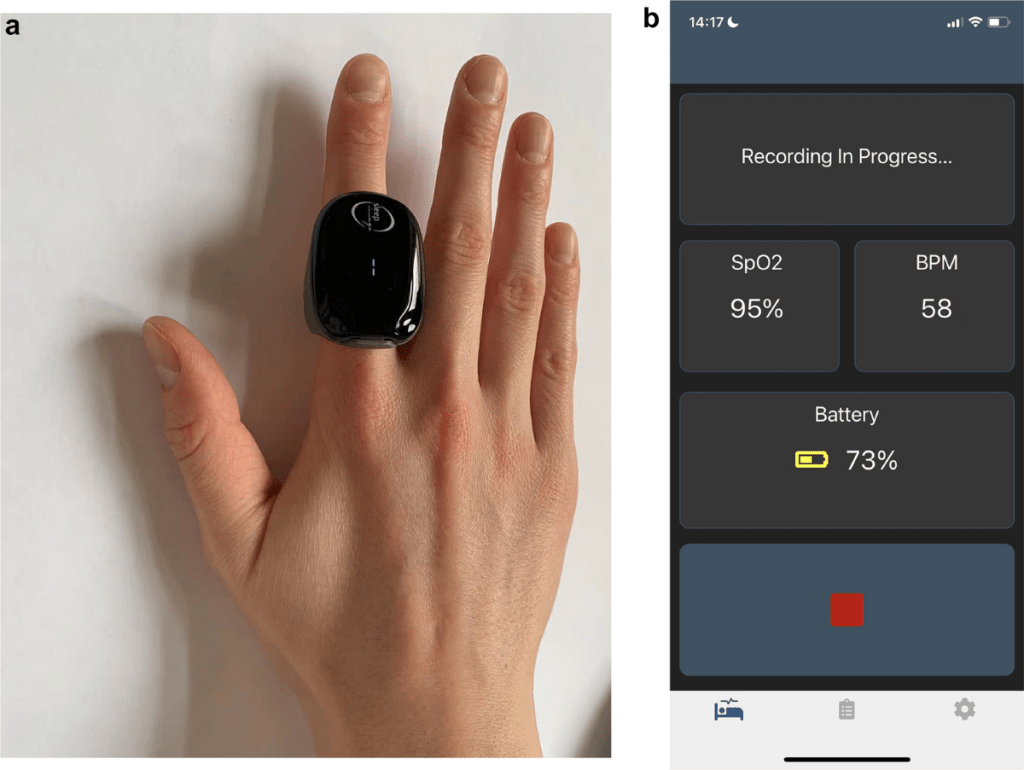
The most reliable way to determine your AHI is through a sleep study, which can be conducted either in a sleep laboratory or at home using a portable monitoring device. Home sleep tests are increasingly popular because they allow you to sleep in your own bed while still capturing the essential data needed for evaluation. SLIIIP offers guidance on how to prepare for a home sleep study and provides a straightforward path to getting a home sleep test.
Want to Know Your AHI Score? Get Tested From Home.
SLIIIP’s board-certified sleep medicine physicians are licensed in 40 states and can help you get a clear picture of your sleep apnea severity. Home sleep testing is simple, convenient, and interpreted by experts who will walk you through your results.
We can help with: Home Sleep Apnea Testing, AHI Score Interpretation, Sleep Apnea Diagnosis (Mild, Moderate, Severe), CPAP Therapy and Remote Monitoring, Oral Appliance Therapy, Snoring Evaluation, Excessive Daytime Sleepiness.
We accept Medicare, Tricare, and most major insurance plans. Schedule your evaluation now.
If you are not sure whether a sleep study is right for you, SLIIIP’s sleep apnea quiz can help you assess whether your symptoms suggest further evaluation would be worthwhile.
For those already using a CPAP machine, most modern devices track your AHI nightly and provide ongoing data about how well your breathing is being managed. The goal of CPAP therapy is typically to bring the AHI below 5 events per hour. If your CPAP AHI remains elevated, it may be a sign that your settings need adjustment or that a different approach should be explored. You can read more about what a good AHI score looks like on CPAP to understand what to aim for.
Why Understanding Your Severity Matters
Knowing whether your sleep apnea is mild, moderate, or severe is not just about receiving a label. It helps you and your healthcare provider make informed decisions about the most appropriate path forward. It sets realistic expectations about what management approach may work best and helps you understand the potential health considerations associated with your specific situation.
If you have been told you have mild sleep apnea, that does not mean it should be dismissed. And if you have been told it is severe, it does not mean the situation is beyond improvement. At every point on the spectrum, there are well-established approaches that can make a meaningful difference in how you sleep and how you feel during the day. The key is understanding where you stand and working with a sleep specialist to find the right combination of strategies for your needs.
Frequently Asked Questions About Mild vs Severe Sleep Apnea
What AHI score means I have sleep apnea?
An AHI of 5 or more events per hour is the threshold for a sleep apnea classification in adults. Below 5 is considered normal. For children, an AHI of 1 or above is considered abnormal.
What is considered mild sleep apnea?
Mild sleep apnea is defined as an AHI of 5 to 14 events per hour. This means your breathing is disrupted an average of 5 to 14 times every hour during sleep.
What is considered severe sleep apnea?
Severe sleep apnea is classified as an AHI of 30 or more events per hour. Some people with severe sleep apnea experience 60 or more events per hour, meaning their breathing is disrupted once per minute or more.
Can mild sleep apnea get worse over time?
Yes. Mild sleep apnea can progress to moderate or severe if contributing factors like weight gain, aging, or increased alcohol consumption are not addressed. Regular monitoring is helpful for tracking any changes.
Does mild sleep apnea need to be addressed?
While mild sleep apnea may not require the same level of intervention as severe cases, it should not be ignored. Even mild disruptions can affect sleep quality, daytime energy, and long-term health over time.
What is the best approach for mild sleep apnea?
For mild sleep apnea, lifestyle modifications such as weight management, sleep position changes, and reducing alcohol intake are often the first steps. Oral appliances that reposition the jaw are also commonly used.
What is the best approach for severe sleep apnea?
CPAP therapy is generally the primary recommendation for severe sleep apnea. It delivers continuous air pressure to keep the airway open during sleep. Consistent use is essential for effectiveness.
What is a good AHI score on a CPAP machine?
The goal of CPAP therapy is to reduce the AHI to below 5 events per hour. Many people achieve an AHI of 2 or lower with properly calibrated CPAP settings.
Can sleep apnea severity change?
Yes. Sleep apnea severity can change based on factors like weight, age, alcohol use, sleep position, and overall health. It can improve with appropriate management or worsen if contributing factors are not addressed.
Is moderate sleep apnea serious?
Moderate sleep apnea, with 15 to 29 events per hour, is associated with increased health considerations including cardiovascular stress and daytime impairment. Most healthcare providers recommend active management at this level.
How is sleep apnea severity measured?
Severity is primarily measured using the apnea-hypopnea index (AHI), which is calculated during a sleep study. Additional measures like blood oxygen levels and the respiratory disturbance index provide further context.
Can I have sleep apnea without snoring?
Yes. While snoring is a common symptom of obstructive sleep apnea, not everyone with the condition snores. Central sleep apnea in particular may present without prominent snoring.
What happens during a breathing event?
During an apnea, airflow stops completely for at least 10 seconds. During a hypopnea, airflow is partially reduced for at least 10 seconds, typically accompanied by a drop in blood oxygen or a brief arousal from sleep.
Does the AHI score account for oxygen drops?
The AHI itself is a count of breathing events, but the definition of a hypopnea includes associated oxygen drops. Separate oxygen desaturation measurements provide additional detail about how much oxygen levels fall during each event.
Can weight loss reduce sleep apnea severity?
Yes. Research has shown that even a 10 percent reduction in body weight can meaningfully reduce the AHI in many people. Weight management is one of the most effective lifestyle-based approaches for improving sleep apnea.
What is the difference between AHI and RDI?
AHI counts apneas and hypopneas per hour of sleep. The respiratory disturbance index (RDI) is broader and also includes more subtle breathing disruptions called respiratory effort-related arousals (RERAs). The RDI can be higher than the AHI.
Are home sleep tests accurate for measuring AHI?
Home sleep tests are generally accurate for identifying moderate to severe obstructive sleep apnea. They may underestimate AHI in some mild cases because they measure time in bed rather than actual sleep time.
Can children have severe sleep apnea?
Yes. In children, an AHI above 10 is typically classified as severe. Enlarged tonsils or adenoids are the most common cause in pediatric cases.
How often should my AHI be rechecked?
If you are using a CPAP machine, your device tracks AHI nightly. For those not on CPAP, periodic reevaluation may be recommended if symptoms change, weight changes significantly, or if new health concerns arise.
Does sleep apnea severity affect insurance coverage?
Many insurance providers require an AHI of 5 or greater for coverage of sleep apnea management devices. Some may have different thresholds for specific devices or approaches. Checking with your provider is recommended.
Latest posts
-
Why Are My Naps Never Refreshing?
Last updated: October 2, 2026. Medically reviewed by Dr. Avinesh Bhar, Board-Certified Sleep Physician, SLIIIP.com. Naps that leave you groggy usually come down to how long you sleep, when you…
-
Is Sleeping Too Much a Sleep Disorder?
Last updated: October 2, 2026. Medically reviewed by Dr. Avinesh Bhar, Board-Certified Sleep Physician, SLIIIP.com. Sleeping too much is not always a sleep disorder, but it can be a sign…
-
Why Does My Insomnia Get Worse After Stopping Sleep Medication?
Last updated: October 2, 2026. Medically reviewed by Dr. Avinesh Bhar, Board-Certified Sleep Physician, SLIIIP.com. Insomnia can get worse after stopping sleep medication for three main reasons. They are rebound…
Get updates
Spam-free subscription, we guarantee. This is just a friendly ping when new content is out.

