

Can I Take a Pill for Sleep Apnea Instead of CPAP?
Last updated: November 17, 2026. Medically reviewed by Dr. Avinesh Bhar, Board-Certified Sleep Physician, SLIIIP.com.
Not yet for most people. As of November 2026, no pill is FDA-approved to replace CPAP for obstructive sleep apnea. The only approved drug is a weekly injection for adults with obesity, and the first nightly pill is still under FDA review.
Dr. Avinesh Bhar, Board-Certified Sleep Physician at SLIIIP.com, sees snoring and daytime sleepiness return within days when patients stop CPAP to wait for a pill.
Any switch away from CPAP should be planned with a sleep doctor and checked with a follow-up sleep test.
SLIIIP’s board-certified sleep physicians can do sleep evaluations for sleep apnea. Virtual consultations in all 50 states. Home sleep tests shipped to your door.
Is There a Pill That Can Replace CPAP Right Now?
No pill can replace CPAP today.
The closest option is AD109, an investigational nightly pill from Apnimed. The company has said the FDA set a target decision date of February 28, 2027
.
Until then, AD109 is only available inside clinical trials. A prescription pharmacy cannot fill it. Websites that sell a so-called sleep apnea pill today are not selling an FDA-approved treatment.
Over-the-counter sleep aids are a different category. They help some people fall asleep, but they do not keep the airway open.
Some sedating products may even relax throat muscles further, so they are not a CPAP substitute.
For a broader look at today’s options, see our guide on GLP-1 medicines and sleep apnea.
What Medicine Is Approved for Sleep Apnea?
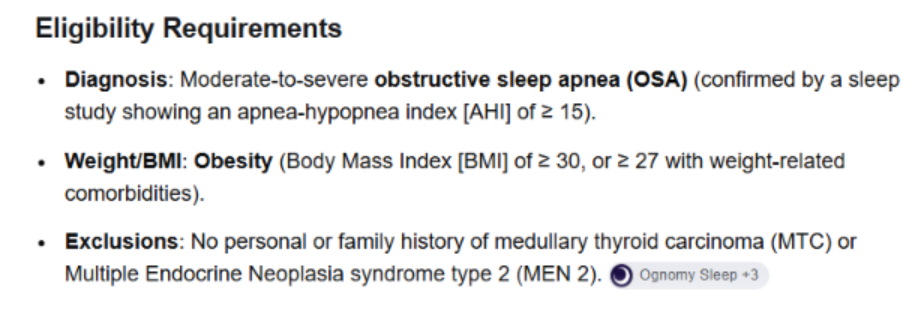
One medicine is approved. In December 2024, the FDA approved Zepbound (tirzepatide) for moderate to severe obstructive sleep apnea in adults with obesity.
Zepbound is a weekly injection, not a pill. It is meant to be used with a reduced-calorie diet and more physical activity. It works mainly by lowering body weight, which is linked to fewer breathing pauses.
The FDA approval was based on two trials. One included people already using positive airway pressure. The other included people who could not or would not use it. That design matters for anyone hoping to stop CPAP.
To get Zepbound for sleep apnea you need to get a home sleep test with an evaluation of moderate to severe sleep apnea.
How Would a Sleep Apnea Pill Work Differently From CPAP?
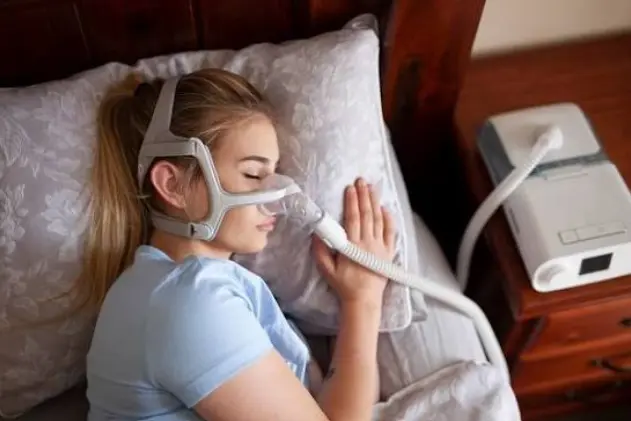
CPAP and a pill work in different ways. CPAP pushes air through the throat to hold it open, while AD109 is designed to keep throat muscles more active during sleep.
AD109 combines two drugs. Aroxybutynin is an antimuscarinic medicine. Atomoxetine is a norepinephrine reuptake inhibitor. Together they aim to reduce how easily the upper airway collapses.
CPAP works the same way every night as long as the mask stays on. A pill depends on how a person’s own muscles respond. That difference is why results vary more from person to person with medicine.
- CPAP: mechanical support, effect starts the first night, needs a mask and machine.
- AD109 (investigational): taken by mouth at bedtime, targets muscle tone, still awaiting an FDA decision.
- Zepbound (approved): weekly injection, targets weight, only for adults with obesity and moderate to severe sleep apnea.
How Well Did the Pill Work Compared With CPAP?
The trial results were meaningful but smaller than what CPAP usually achieves. In the SynAIRgy trial, AD109 lowered the apnea-hypopnea index by about 44 percent, compared with about 18 percent on placebo.
About 18 percent of people on AD109 reached an index below 5 events per hour. That level is generally considered normal. Many others improved by one severity level but still had some sleep apnea.
CPAP, when worn most of the night, often lowers breathing events much further. The trade-off is comfort. Many people struggle with the mask, the noise or dry air.
That is why trial participants were people who had failed or declined positive airway pressure. The pill was tested as an option for people who cannot use CPAP, not as a better choice for people who can.
Who Might Be a Good Fit for a Pill Instead of CPAP?
The likely candidates are adults who have tried CPAP and cannot tolerate it. People with mild to moderate obstructive sleep apnea may be the most realistic group if AD109 is approved.
Several factors shape that decision. Your doctor will look at your sleep test numbers, your oxygen levels, your heart health and your other medicines.
- Your sleep apnea type, since the pill was studied in obstructive sleep apnea only.
- Your severity and how low your oxygen drops at night.
- Heart rhythm problems or high blood pressure that need close monitoring.
- Glaucoma, urinary problems or other conditions that may interact with the drug’s ingredients.
- Whether CPAP problems can be fixed with a different mask or settings first.
Many CPAP problems are fixable. Our guide to common CPAP side effects covers mask leaks, dry mouth and pressure discomfort.
Is It Safe to Stop CPAP While You Wait?
No. Stopping CPAP without a plan is linked to the return of breathing pauses, oxygen drops and daytime sleepiness. Untreated sleep apnea is also associated with high blood pressure and heart rhythm problems.
If CPAP feels unbearable, talk with your sleep doctor before you quit. A different mask, a humidifier change or an auto-adjusting device may solve the problem.
Never change your own CPAP pressure settings. Settings should be adjusted only by your care team, based on your data.
Watch: Dr. Wells explains if losing weight will cure sleep apnea
When to See a Doctor
Talk with a sleep doctor if you are thinking about replacing CPAP with a medicine. Dr. Avinesh Bhar recommends a follow-up sleep test after any treatment change, since how you feel may not match your breathing at night.
Book a visit sooner if you have stopped using CPAP, your snoring has come back, or you feel very sleepy while driving. Seek urgent care for chest pain, fainting or severe shortness of breath.
A sleep physician can review your history, confirm your diagnosis and help you weigh CPAP, oral appliances, weight-related medicine and future pill options.
Check Your Insurance Before You Book
SLIIIP works with many major insurance plans. Checking your benefits first takes a few minutes and helps you avoid surprises.
Verify your insurance coverage in minutes. SLIIIP works with most major plans, including Medicare and TRICARE.
For cash payments, price for Initial Consultation is $150
Follow up appointments cost $125
Frequently Asked Questions
Is there a pill that replaces CPAP?
Not yet. No pill is FDA-approved to replace CPAP as of November 2026.
What is AD109?
AD109 is an investigational nightly pill for obstructive sleep apnea. It combines aroxybutynin and atomoxetine.
When could AD109 be approved?
Apnimed has said the FDA set a target decision date of February 28, 2027.
Is Zepbound a pill?
No. Zepbound is a weekly injection approved for moderate to severe sleep apnea in adults with obesity.
Can I stop CPAP if I start Zepbound?
Only your doctor can decide that. A follow-up sleep test usually guides the decision.
Does a sleep apnea pill work as well as CPAP?
In trials, AD109 lowered breathing events, but CPAP often lowers them further when worn consistently.
Who was AD109 tested in?
It was tested in adults with mild to severe obstructive sleep apnea who failed or declined positive airway pressure.
Will a pill work for central sleep apnea?
AD109 was studied in obstructive sleep apnea, not central sleep apnea.
Can sleeping pills treat sleep apnea?
No. Sleeping pills do not keep the airway open and some may relax throat muscles.
Do I need a diagnosis before taking a sleep apnea medicine?
Yes. A sleep test is needed to confirm sleep apnea and its severity.
Is it dangerous to skip CPAP for a few nights?
Breathing pauses usually return right away when CPAP is not used, along with oxygen drops.
Can I buy a sleep apnea pill online?
No FDA-approved sleep apnea pill is sold today. Be cautious of online products making that claim.
Would insurance cover a sleep apnea pill?
Coverage is unknown until the drug is approved and plans review it.
Are there other CPAP alternatives?
Yes. Oral appliances, positional therapy, nerve stimulation and some surgeries are options for selected patients.
Can weight loss replace CPAP?
Weight loss is linked to fewer breathing events for many people, but a new sleep test should confirm the result.
What if I cannot tolerate my CPAP mask?
Ask your care team about a different mask style, humidification or pressure review.
Will I still need a sleep test if a pill is approved?
Yes. Doctors will still need to confirm the diagnosis and check how well treatment works.
Can I combine CPAP and a medicine?
Some people may use both. Your sleep doctor can explain whether that fits your case.
Is the pill safe for people with heart disease?
Safety for each person depends on their heart history, so a doctor must review it first.
How can SLIIIP help?
SLIIIP's sleep physicians offer virtual visits and home sleep tests to diagnose and manage adult sleep apnea.
Latest posts
-
Can Statins Cause Insomnia? What the Research Shows
Last updated: November 17, 2026. Medically reviewed by Dr. Avinesh Bhar, Board-Certified Sleep Physician, SLIIIP.com. For most people, probably not. A meta-analysis of placebo-controlled sleep lab studies found that statins…
-
Do Beta Blockers Cause Insomnia? What to Know
Last updated: November 17, 2026. Medically reviewed by Dr. Avinesh Bhar, Board-Certified Sleep Physician, SLIIIP.com. Beta blockers are linked to insomnia in some people. Some beta blockers lower nighttime melatonin,…
-
Do I Need a Sleep Study to Get the Sleep Apnea Pill?
Last updated: November 17, 2026. Medically reviewed by Dr. Avinesh Bhar, Board-Certified Sleep Physician, SLIIIP.com. Yes, almost certainly. Any sleep apnea medicine, including the AD109 pill if it is approved,…
Get updates
Spam-free subscription, we guarantee. This is just a friendly ping when new content is out.

