
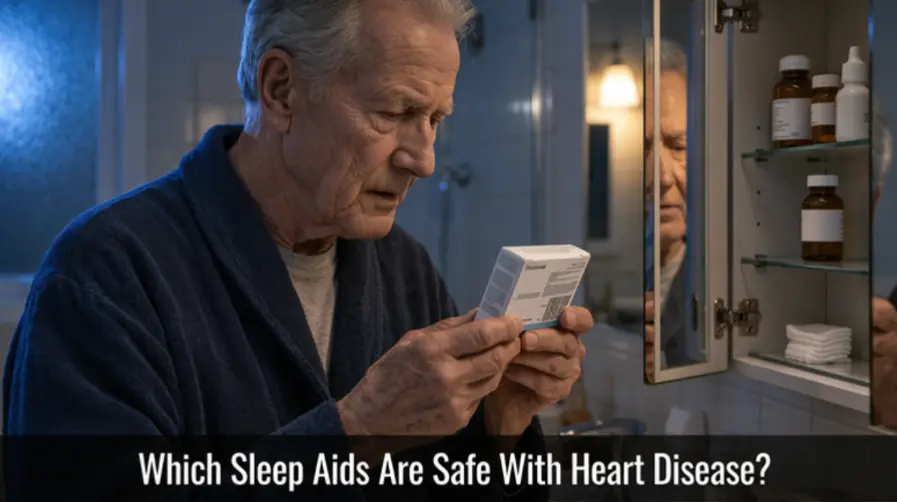
Which Sleep Aids Are Safe With Heart Disease?
Last updated: November 17, 2026. Medically reviewed by Dr. Avinesh Bhar, Board-Certified Sleep Physician, SLIIIP.com.
No sleep aid is automatically safe with heart disease, so the right choice depends on your heart condition and your other medicines.
Cognitive behavioral therapy for insomnia is the safest first step for most people with heart disease, because it improves sleep without drug interactions. Over-the-counter antihistamine sleep aids deserve extra caution.
Dr. Avinesh Bhar, Board-Certified Sleep Physician at SLIIIP.com, points out that sedating sleep aids can worsen untreated sleep apnea in some people.
Anyone with heart disease and poor sleep should rule out sleep apnea before reaching for a sleeping pill.
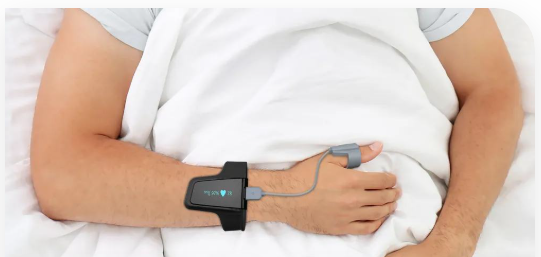
SLIIIP’s board-certified sleep physicians can do sleep evaluations for sleep apnea. Virtual consultations in all 50 states. Home sleep tests shipped to your door.
Which Sleep Aids Are Safe With Heart Disease?
There is no single safe pill for everyone. The National Heart, Lung, and Blood Institute advises talking to your doctor before using antihistamine sleep aids, because they can be unsafe for some people.
The safest plan is usually one built with your doctor and pharmacist. They can check your heart condition, blood pressure, rhythm and current medicines.
Here is how common options generally compare. This is general information, not a recommendation for your case.
- CBT-I: no drug interactions, considered first-line for long-term insomnia.
- Melatonin: often well tolerated, but it can affect blood pressure and interact with some medicines.
- Antihistamines (diphenhydramine, doxylamine): can cause next-day grogginess and may not suit older adults or some heart patients.
- Prescription sleep medicines: chosen case by case, with attention to breathing, falls and drug interactions.
Watch: Dr. Wells explains what you should do when can’t fall back asleep
Are Over-the-Counter Sleep Aids Safe for Heart Patients?
Use them with caution. Most over-the-counter sleep aids contain diphenhydramine or doxylamine, which are sedating antihistamines.
The MedlinePlus page on diphenhydramine advises asking a doctor before use if you have glaucoma or trouble urinating from an enlarged prostate. These conditions are common in older adults with heart disease.
Is Melatonin Safe With Heart Disease?
Melatonin is often well tolerated, but it is not risk-free. NHLBI notes that melatonin supplements may cause daytime sleepiness and headaches and can affect blood pressure.
Melatonin may interact with blood thinners and some blood pressure medicines. Supplement doses also vary widely between brands.
Our article on whether melatonin is safe every night covers dosing questions in more detail.
Ask your doctor before adding melatonin, especially if you take warfarin or several heart medicines.
What About Prescription Sleep Medicines?
Prescription options exist, but they need careful choice. Benzodiazepines and similar drugs can relax breathing muscles and may worsen untreated sleep apnea.
NHLBI notes that benzodiazepines can cause dizziness, confusion and muscle weakness and can be habit-forming. Falls are a real concern in older adults.
Only your doctor can decide whether a prescription sleep medicine fits. Our comparison of CBT-I and sleep medicines explains the trade-offs.
Why Is CBT-I the Safest First Choice?
CBT-I treats the habits and thoughts that keep insomnia going. It is usually the first recommended treatment for long-term insomnia, and it does not interact with heart medicines.
A typical program runs 6 to 8 weeks. It includes sleep scheduling, stimulus control, relaxation and changing unhelpful beliefs about sleep.
CBT-I can be done in person, by phone or online. Its benefits often last after the program ends.
Learn more about how sleep apnea affects the heart.
Could It Be Sleep Apnea Instead?
It is worth checking. People on beta blockers often have high blood pressure, rhythm problems or heart failure. Those conditions are associated with higher rates of sleep apnea.
Sleep apnea can cause frequent awakenings, gasping and unrefreshing sleep.
TAKE THE QUIZ
Can Heart Medicines Cause Sleep Problems?
Yes, some can. Beta blockers are linked to lower nighttime melatonin, and diuretics taken late in the day can cause nighttime trips to the bathroom.
Before adding a sleep aid, ask whether a medicine timing change could help. A morning dose of a diuretic, for example, may reduce nighttime waking.
Never change heart medicine timing or doses without your doctor’s approval.
What Should You Tell Your Doctor or Pharmacist?
Clear information leads to a safer choice. Bring a full list of prescriptions, over-the-counter products and supplements, including anything you take only at night.
- Your heart diagnosis, such as heart failure, atrial fibrillation or coronary artery disease.
- Recent blood pressure and pulse readings.
- Any history of falls, confusion or memory problems.
- Snoring, gasping or breathing pauses noticed by a bed partner.
- How long the insomnia has lasted and what you have already tried.
A pharmacist can quickly check for interactions between a sleep product and your heart medicines. That check takes minutes and can prevent real problems.
What Are Safe Steps to Try Tonight?
Some steps carry no drug risk. Keeping a steady wake time and limiting caffeine and alcohol are safe starting points for nearly everyone.
- Wake up at the same time every day, including weekends.
- Get daylight within an hour of waking.
- Keep the bedroom cool, dark and quiet.
- Stop caffeine by early afternoon.
- Avoid alcohol close to bedtime, since it fragments sleep and relaxes the airway.
- If you cannot sleep after about 20 minutes, get up and do something calm.
When to See a Doctor
See your doctor before starting any sleep aid if you have heart disease, take several medicines or are over 65. Dr. Avinesh Bhar advises heart patients with ongoing insomnia to get a sleep evaluation before a sleep aid.
Check Your Insurance Before You Book
SLIIIP works with many major insurance plans. Checking your benefits first takes a few minutes and helps you avoid surprises.

SLIIIP’s board-certified sleep physicians can do sleep evaluations for sleep apnea. Virtual consultations in all 50 states. Home sleep tests shipped to your door.
For cash payments, price for Initial Consultation is $150
Follow up appointments cost $125
Frequently Asked Questions
Which sleep aids are safe with heart disease?
No sleep aid is safe for everyone. Your doctor should choose based on your heart condition and medicines.
What is the safest insomnia treatment for heart patients?
CBT-I is usually the safest first step because it has no drug interactions.
Is Benadryl safe for heart patients?
Diphenhydramine should be used only after talking with your doctor, especially for older adults.
Is doxylamine safe with heart disease?
It is a sedating antihistamine, so ask your doctor or pharmacist first.
Can I take melatonin with heart disease?
Often yes, but it can affect blood pressure and interact with some medicines. Ask first.
Does melatonin interact with blood thinners?
It may. Talk with your doctor if you take warfarin or similar drugs.
Are benzodiazepines safe with heart disease?
They can cause dizziness and falls and may worsen sleep apnea, so they need careful review.
Can sleeping pills worsen sleep apnea?
Some sedating medicines may relax airway muscles and worsen untreated sleep apnea.
Can heart medicines cause insomnia?
Some can. Beta blockers and late-day diuretics are common examples.
Should I take a diuretic in the morning?
Ask your doctor. A morning dose may reduce nighttime bathroom trips.
What is CBT-I?
Cognitive behavioral therapy for insomnia is a 6 to 8 week structured program.
Can CBT-I be done online?
Yes. It can be delivered in person, by phone or online.
Is alcohol a good sleep aid?
No. Alcohol fragments sleep and relaxes the airway.
Are herbal sleep aids safe with heart disease?
Herbal products can interact with heart medicines. Check with a pharmacist first.
Could my insomnia be sleep apnea?
It could. Snoring, gasping and daytime sleepiness point toward sleep apnea.
Is sleep apnea common in heart disease?
Yes. It is common in people with high blood pressure, heart failure and atrial fibrillation.
How long can I use an over-the-counter sleep aid?
They are meant for short-term use. Ongoing insomnia needs a doctor's review.
Are older adults more sensitive to sleep aids?
Yes. Older adults are more prone to confusion, falls and next-day grogginess.
Can a sleep doctor work with my cardiologist?
Yes. A sleep doctor can evaluate your sleep and coordinate with your heart care team.
How can SLIIIP help?
SLIIIP's sleep physicians evaluate adult insomnia and sleep apnea through virtual visits and home sleep tests.
Latest posts
-
Can Sleep Apnea Cause Chest Pain at Night?
Last updated: November 17, 2026. Medically reviewed by Dr. Avinesh Bhar, Board-Certified Sleep Physician, SLIIIP.com. Sleep apnea is linked to nighttime chest discomfort, but it is rarely the only explanation.…
-
Which Sleep Aids Are Safe With Heart Disease?
Last updated: November 17, 2026. Medically reviewed by Dr. Avinesh Bhar, Board-Certified Sleep Physician, SLIIIP.com. No sleep aid is automatically safe with heart disease, so the right choice depends on…
-
Can Statins Cause Insomnia? What the Research Shows
Last updated: November 17, 2026. Medically reviewed by Dr. Avinesh Bhar, Board-Certified Sleep Physician, SLIIIP.com. For most people, probably not. A meta-analysis of placebo-controlled sleep lab studies found that statins…
Get updates
Spam-free subscription, we guarantee. This is just a friendly ping when new content is out.

