

Side Effects of the New Sleep Apnea Pill (AD109)
Last updated: November 17, 2026. Medically reviewed by Dr. Avinesh Bhar, Board-Certified Sleep Physician, SLIIIP.com.
The most common side effects reported for AD109 were dry mouth, trouble sleeping, nausea and trouble starting urination.
In the SynAIRgy trial, side effects led about 21 percent of people on AD109 to stop the pill, compared with about 3 percent on placebo. AD109 is still investigational and awaits an FDA decision.
Dr. Avinesh Bhar, Board-Certified Sleep Physician at SLIIIP.com, notes that a sleep apnea pill that causes insomnia creates a real trade-off. Better breathing at night only helps if you can still get enough sleep to feel rested.
SLIIIP’s board-certified sleep physicians can do sleep evaluations for sleep apnea. Virtual consultations in all 50 states. Home sleep tests shipped to your door.
What Are the Side Effects of the New Sleep Apnea Pill?
The reported side effects fall into a few groups. Dry mouth, insomnia, nausea and urinary hesitation were the most common adverse effects in the phase 3 trials. Most were described as mild.
- Dry mouth: linked to the antimuscarinic part of the pill.
- Insomnia or lighter sleep: linked to the stimulating part of the pill.
- Nausea: often reported early in treatment.
- Urinary hesitation: trouble starting or fully emptying the bladder.
These are trial findings, not a final drug label. If the FDA approves AD109, the official label will list side effects, warnings and who should not take it.
For a broader look at today’s options, read our guide on GLP-1 medicines and sleep apnea.
Why Does AD109 Cause These Side Effects?
The side effects match the two ingredients. AD109 combines aroxybutynin, an antimuscarinic medicine, with atomoxetine, a norepinephrine reuptake inhibitor.
Antimuscarinic medicines reduce certain nerve signals. That is linked to dry mouth, constipation and slower urination in many people.
Atomoxetine is already used for ADHD. The MedlinePlus page on atomoxetine lists dry mouth, nausea, difficulty urinating and trouble falling or staying asleep among its possible effects.
Atomoxetine can also raise heart rate and blood pressure in some people.
That is one reason doctors would need to check heart health before prescribing AD109.
How Common Were Side Effects in the Trials?
Side effects were common enough to matter. In the SynAIRgy trial of 646 adults, about 1 in 5 people on AD109 stopped because of side effects.
Most side effects were mild, according to the researchers. Still, mild dry mouth or lighter sleep every night can wear on people over months.
Can the Pill Make Insomnia Worse?
It may for some people. Insomnia was one of the most common side effects reported with AD109.
This matters because insomnia and sleep apnea often appear together. People with both conditions may need a careful plan before trying a stimulating medicine at bedtime.
If you already have trouble falling asleep, tell your doctor before any new sleep apnea medicine. Cognitive behavioral therapy for insomnia may help alongside treatment.
Who Should Be Careful With a Sleep Apnea Pill?
Some people may need extra caution. People with heart rhythm problems, uncontrolled high blood pressure, glaucoma or urinary retention should talk with their doctor before any medicine like this.
- People taking other medicines that affect heart rate or blood pressure.
- People with narrow-angle glaucoma, since antimuscarinic medicines can affect eye pressure.
- Men with an enlarged prostate or anyone with trouble emptying the bladder.
- People taking certain antidepressants or MAO inhibitors.
- People with liver disease, which can change how drugs are processed.
Your doctor will weigh these risks against the risks of untreated sleep apnea. That review should happen before any prescription.
Watch: Dr. Wells explains the truth about sleep apnea
Are the Benefits Worth the Side Effects?
That depends on the person. In the SynAIRgy trial, AD109 lowered the apnea-hypopnea index by about 44 percent, compared with about 18 percent on placebo.
About 18 percent of people taking AD109 reached a normal breathing index below 5 events per hour. More than 40 percent moved into a less severe category.
Those gains came with the side effects described above. For someone who cannot use CPAP at all, a partial improvement may still be worth it. For someone who does well on CPAP, the trade-off may not make sense.
Your sleep test numbers help frame the decision. Oxygen levels, symptoms and heart health all matter too.
What Should You Ask Your Doctor Before Trying It?
Bring a short list of questions to your visit. Clear answers before you start make side effects easier to spot and manage.
- Is my sleep apnea obstructive, central or mixed?
- Could a different CPAP mask or setting solve my current problems?
- Do my heart rhythm, blood pressure or other medicines make this pill risky for me?
- How will we measure whether the pill is working?
- Which side effects should make me call you right away?
Write down any side effects you notice in the first weeks. A simple log helps your doctor see patterns.
How Do These Side Effects Compare With Zepbound?
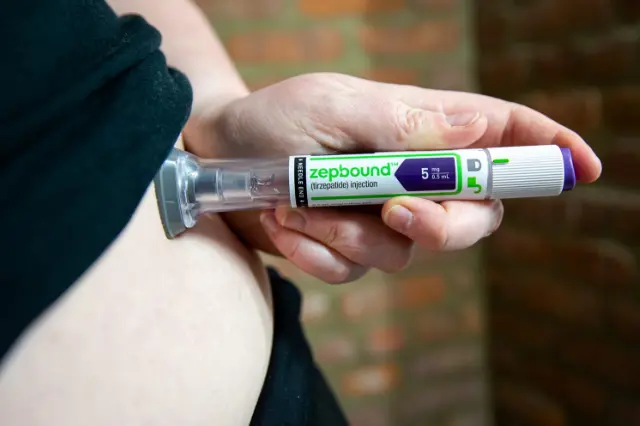
They are different. Zepbound, the only FDA-approved medicine for sleep apnea, mainly causes stomach side effects like nausea, diarrhea, vomiting and constipation.
Zepbound is a weekly injection for adults with obesity and moderate to severe sleep apnea. AD109 is a nightly pill that works on throat muscle tone instead of weight.
Each medicine has its own warnings.
Check Your Insurance Before You Book
SLIIIP works with many major insurance plans. Checking your benefits first takes a few minutes and helps you avoid surprises.

SLIIIP’s board-certified sleep physicians can do sleep evaluations for sleep apnea. Virtual consultations in all 50 states. Home sleep tests shipped to your door.
For cash payments, price for Initial Consultation is $150
Follow up appointments cost $125
Frequently Asked Questions
What are the most common side effects of AD109?
Dry mouth, insomnia, nausea and urinary hesitation were the most common in trials.
Is AD109 FDA-approved?
No. AD109 is investigational and awaits an FDA decision.
How many people stopped AD109 because of side effects?
About 21 percent stopped in the SynAIRgy trial, compared with about 3 percent on placebo.
Were the side effects serious?
Most were described as mild, but they still led some people to stop.
Why does the pill cause dry mouth?
One ingredient is an antimuscarinic medicine, a drug type linked to dry mouth.
Can the sleep apnea pill cause insomnia?
Yes. Insomnia was one of the most commonly reported side effects.
Can AD109 raise blood pressure?
Atomoxetine, one of its ingredients, can raise heart rate and blood pressure in some people.
Is the pill safe with heart disease?
That depends on the person. A doctor must review heart history before any prescription.
Can AD109 cause urinary problems?
Urinary hesitation was reported in the trials.
Does the pill cause weight changes?
Weight change was not a main reported effect. Atomoxetine alone can reduce appetite in some people.
How do AD109 side effects compare with CPAP?
CPAP side effects are mostly mask and air related, while AD109 side effects are drug related.
What are Zepbound's side effects?
The most common are nausea, diarrhea, vomiting and constipation.
Can I take AD109 with antidepressants?
Some combinations may not be safe. Your doctor and pharmacist must review all your medicines.
Should people with glaucoma avoid AD109?
People with glaucoma should discuss it with their doctor, since antimuscarinic drugs can affect eye pressure.
Do side effects go away over time?
Some may ease, but long-term data will come with wider use after any approval.
Will the final label list more side effects?
The official label, if approved, will list the full side effects and warnings.
Can I join a trial to try the pill now?
Only through a clinical trial. Ask your doctor about eligibility.
Is it safe to stop CPAP to try a pill?
Do not stop CPAP without a plan from your sleep doctor.
Latest posts
-
Can Sleep Apnea Cause Chest Pain at Night?
Last updated: November 17, 2026. Medically reviewed by Dr. Avinesh Bhar, Board-Certified Sleep Physician, SLIIIP.com. Sleep apnea is linked to nighttime chest discomfort, but it is rarely the only explanation.…
-
Which Sleep Aids Are Safe With Heart Disease?
Last updated: November 17, 2026. Medically reviewed by Dr. Avinesh Bhar, Board-Certified Sleep Physician, SLIIIP.com. No sleep aid is automatically safe with heart disease, so the right choice depends on…
-
Can Statins Cause Insomnia? What the Research Shows
Last updated: November 17, 2026. Medically reviewed by Dr. Avinesh Bhar, Board-Certified Sleep Physician, SLIIIP.com. For most people, probably not. A meta-analysis of placebo-controlled sleep lab studies found that statins…
Get updates
Spam-free subscription, we guarantee. This is just a friendly ping when new content is out.

