👉 Register for Free. How to Diagnose Sleep Apnea Faster in Primary Care – FREE Webinar by Dr. Audrey Wells. – Friday, April 24 at 12 PM ET


Will I Get a Surprise Bill for My Sleep Study? How to Avoid One
Last updated: November 1, 2026. Medically reviewed by Dr. Avinesh Bhar, Board-Certified Sleep Physician, SLIIIP.com.
You can get a surprise bill for a sleep study, but most of them can be avoided with a few questions before the test.
The usual causes are an unmet deductible, an out-of-network provider, a missing prior authorization, or a second bill you did not expect.
If you want to know exactly how much a sleep test will cost, then order it yourself at SLIIIP.
It’s only $250 and includes a doctor’s review and a treatment plan.
Why Do People Get Surprise Bills After a Sleep Study?
People get surprise bills after a sleep study mainly because the test involves more than one charge, and each charge follows its own insurance rules. A covered test is not the same as a free test. Coverage only means your plan will share the cost under its terms.
These are the most common reasons a bill looks higher than expected.
- Your deductible was not met. Your plan may approve the test and still leave most of the cost with you.
- Someone in the chain was out of network. The lab, the reading doctor, or the test company can each have a different network status.
- Prior authorization was missing or expired. Many private plans want approval before the test, and a missed step can lead to a denial.
- You got more than one bill. A lab stay often produces a facility bill and a separate bill from the doctor who reads the study.
- The test had to be repeated. A home test with too little data, or a lab study ordered after it, can add a second charge.
- The next steps were billed separately. Follow-up visits and CPAP equipment are usually separate from the test itself.
None of these items is rare, and none of them is hidden on purpose in most cases. They simply surprise people because nobody explained them in advance.
Does the No Surprises Act Cover a Sleep Study?
The No Surprises Act covers a sleep study only in certain settings, so it will not protect you from every unexpected charge.
According to the CMS fact sheet on surprise medical bills, the law covers most emergency services and air ambulance services. It also covers non-emergency care from out-of-network providers at in-network facilities. A sleep study in an in-network hospital lab may qualify if an out-of-network provider is involved.
The law has real limits for sleep testing. It does not stop a bill for your deductible or coinsurance. It also may not reach a stand-alone sleep center or a doctor’s office, since its non-emergency rules center on hospitals and similar facilities. If you choose an out-of-network lab yourself, the protection may not apply.
Is a Home Test or a Lab Study More Likely to Bring a Surprise?
A sleep lab usually has more ways to produce a surprise, because more parties can bill you for one night. A hospital lab may send a facility bill and a separate physician bill for the same study. The total also tends to be higher, so a percentage of it can feel much larger.
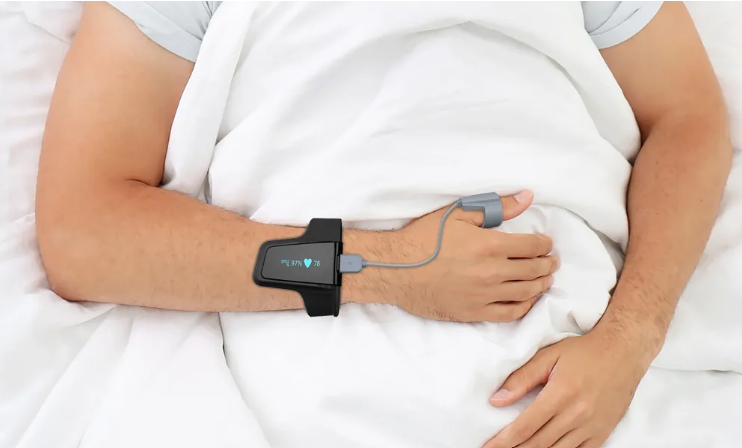
A home sleep test usually has fewer moving parts, since one practice often orders the test, ships the device, and reviews the data.
It can still bring costs you did not plan for. Ask about these before you agree:
- Is the doctor visit billed apart from the test?
- Is the device fee or shipping charged separately?
- Does the price include the physician’s report and a results visit?
- What happens if the test fails or records too little data?
- Is there a late or replacement fee if the device is not returned?
It’s important to get tested for sleep apnea since poor sleep is often linked to a hidden sleep disorder.
Watch: Dr. Wells explains what are the effects of poor sleep?
What Should I Ask Before My Sleep Study?
Before your sleep study, ask your insurer and the provider the same short list of questions, and keep the answers in writing. Note the name, date, and reference number for every call. These notes can help a lot if you need to appeal later.
Questions for your insurance plan:
- Is this test covered under my plan, and does it need prior authorization?
- How much of my deductible is left this year?
- What is my copay or coinsurance for this test?
- Is this provider in network for my specific plan, not just this insurer?
- Is a home test required before a lab study will be approved?
Questions for the sleep clinic or lab:
- Who will send me a bill: the lab, the reading doctor, the hospital, or the test company?
- Are all of them in network for my plan?
- What are the billing codes for this test? In-lab studies often use CPT 95810 or 95811, and home tests often use 95800, 95801, or 95806.
- Who submits prior authorization, and can I see the approval before the test date?
- Can you give me a written estimate of what I will owe?
Billing codes matter more than most people expect. Your insurer can usually give a much better answer when you give it the exact code. The provider’s office may use other codes, so ask them to confirm which ones apply.
How Can I Avoid a Surprise Bill If I Pay Cash or Have No Insurance?
If you pay cash or have no insurance, ask for a good faith estimate before the sleep study. CMS explains your medical bill rights without insurance. You can usually get an estimate if you schedule at least 3 business days ahead or ask for one.
You can dispute a bill that runs at least $400 above the estimate. You must start that dispute within 120 days of your first bill.
Keep a copy or photo of the estimate in a safe place, because you need it in writing to dispute a bill. Then compare it with the final bill line by line. Also ask whether the cash price includes the test device, the doctor’s interpretation, and a visit to review your results.
What Should I Do If I Already Got a Surprise Bill?
If you already got a surprise bill, do not rush to pay it, and do not ignore it either. Start by comparing the bill with your Explanation of Benefits from your insurer. That document shows what the plan allowed, what it paid, and what it says you owe.
Then work through these steps in order:
- Ask the provider for an itemized bill and the billing codes used.
- Call your insurer and ask why the claim was paid this way or denied.
- Ask the provider to check for a billing or coding error.
- File an appeal with your plan if the claim was denied. Your Explanation of Benefits or denial letter should explain how.
- Ask about a payment plan or financial assistance if the amount is correct but hard to pay.
- Call the federal No Surprises Help Desk at 1-800-985-3059 if you think your protections were not followed.
Ask the billing office to note your dispute on the account while you sort this out. Write down who you spoke with each time. Your state insurance department can also explain the appeal options that apply to your plan.
Why Cost Worries Should Not Stop You From Getting Tested
Worry about a bill is a fair concern, but it is worth weighing against the cost of not knowing. Untreated sleep apnea is associated with daytime sleepiness and higher risk of heart problems. Questions asked before the test can make the cost easier to plan for, so you can decide with real numbers.
The details of your plan shape your actual costs. Our article on whether an at-home sleep study is covered by insurance walks through Medicare and private plan basics. If you prefer to start online, our guide to seeing a telehealth sleep doctor explains how that path works.
When to See a Doctor
See a doctor if you have loud snoring, gasping or choking at night, morning headaches, or daytime sleepiness that disrupts your life. Do not let a billing question delay care if you feel drowsy behind the wheel. Talk with a clinician soon if that happens, and avoid driving while sleepy.
Dr. Bhar recommends raising cost at your first visit, along with your symptoms, so the plan fits both your health and your budget. Tell your physician about your heart or lung conditions, any past sleep testing, and your insurance type. That helps them decide whether a home test is a suitable first step, and it can prevent a repeat test later.
Seek urgent medical care for chest pain, severe shortness of breath, or fainting. Those symptoms need prompt attention, whatever the sleep test plan may be.
SLIIIP accepts most major insurance plans, including Medicare and TRICARE. Check your benefits before your visit so you know what to expect.

Not sure what your plan covers? Check your benefits before your visit. SLIIIP’s board-certified sleep physicians can do sleep evaluations for sleep apnea. Virtual consultations in all 50 states. Home sleep tests shipped to your door.
For cash payments, price for Initial Consultation is $150
Follow up appointments cost $125
Frequently Asked Questions
Can you get a surprise bill for a sleep study?
Yes, it can happen. The usual causes are an unmet deductible, an out-of-network provider, missing prior authorization, or separate bills.
Does insurance cover sleep studies?
Many plans cover a sleep study when it is medically necessary. Your share depends on your deductible, your coinsurance, and your network.
Does the No Surprises Act apply to sleep studies?
It can apply when an out-of-network provider treats you at an in-network facility. It does not cover every setting or your normal cost-sharing.
Why did I get two bills for one sleep study?
A lab study may produce one bill from the facility and one from the reading doctor. Ask about this before the test.
Is a deductible charge a surprise bill under the law?
No, your deductible is normal cost-sharing under your plan. It can still feel like a surprise, so check your balance first.
What is prior authorization for a sleep study?
It is approval from your plan before the test. Many private plans require it, and a missed approval can lead to a denial.
Who is responsible for getting prior authorization?
The ordering office usually submits it, but you should confirm this. Ask to see the approval before your test date.
Does Medicare charge a coinsurance for a sleep study?
Medicare Part B generally pays 80 percent of the approved amount after the deductible. You or your supplemental plan may owe the rest.
Can I be sent a surprise bill if I have Medicare or TRICARE?
CMS says these programs already have protections against surprise bills. You can still owe normal deductibles or cost-sharing.
What is a good faith estimate?
It is a written estimate of expected charges for people who are uninsured or paying on their own. You can ask for one before scheduling.
Can I dispute a bill that is higher than my estimate?
Yes, if it is at least $400 above the estimate. You must start the dispute within 120 days of your first bill.
Is a home sleep test cheaper than a lab study?
A home test usually costs less than an in-lab study. Your actual price depends on your plan and what the price includes.
Can a home sleep test bring extra charges?
It can, depending on the provider. Ask about visit fees, device fees, shipping, repeat tests, and late return charges.
What happens if my home test fails?
You may need to repeat the test, or your doctor may order a lab study. Ask in advance whether a repeat costs extra.
What should I do first if I get a surprise bill?
Compare the bill with your Explanation of Benefits. Then ask for an itemized bill and call your insurer.
Can I appeal a denied sleep study claim?
Yes, most plans have an appeal process. Your denial letter or Explanation of Benefits should explain the steps and deadlines.
Can I negotiate a sleep study bill?
You can ask. Many billing offices will review a bill, set up a payment plan, or explain financial assistance options.
Is CPAP included in the cost of the sleep study?
No, CPAP equipment is usually billed separately, often through an equipment supplier. Ask about your coverage before you order it.
Does SLIIIP help with insurance for sleep testing?
SLIIIP's coverage guide says it helps verify benefits and submits prior authorization for patients. Your plan still sets what you owe.
Does SLIIIP accept Medicaid?
SLIIIP's insurance page says it is not credentialed with Medicaid. Check your options with your state plan first.
Understanding your sleep study costs and insurance coverage can help you avoid unexpected bills. SLIIIP helps patients navigate insurance benefits and prior authorization for sleep testing. Get started with convenient virtual sleep care and expert guidance.
Latest posts
-
My Sleep Test Shows Sleep Apnea. What Happens Next?
Last updated: November 3, 2026. Medically reviewed by Dr. Avinesh Bhar, Board-Certified Sleep Physician, SLIIIP.com. If your sleep test shows sleep apnea, the next step is a review with a…
-
Are Home Sleep Tests Accurate? Home Test vs Sleep Lab, Explained
Last updated: November 2, 2026. Medically reviewed by Dr. Avinesh Bhar, Board-Certified Sleep Physician, SLIIIP.com. Home sleep tests are accurate for many adults with likely moderate to severe obstructive sleep…
-
Will I Get a Surprise Bill for My Sleep Study? How to Avoid One
Last updated: November 1, 2026. Medically reviewed by Dr. Avinesh Bhar, Board-Certified Sleep Physician, SLIIIP.com. You can get a surprise bill for a sleep study, but most of them can…
Get updates
Spam-free subscription, we guarantee. This is just a friendly ping when new content is out.

