👉 Register for Free. How to Diagnose Sleep Apnea Faster in Primary Care – FREE Webinar by Dr. Audrey Wells. – Friday, April 24 at 12 PM ET


My Sleep Test Shows Sleep Apnea. What Happens Next?
Last updated: November 3, 2026. Medically reviewed by Dr. Avinesh Bhar, Board-Certified Sleep Physician, SLIIIP.com.
If your sleep test shows sleep apnea, the next step is a review with a doctor. The doctor confirms the type and severity, then explains your treatment options.
Dr. Avinesh Bhar, Board-Certified Sleep Physician at SLIIIP.com, notes that the treatment decision starts with the severity and type of sleep apnea your study confirms.
A positive result is a starting point, not an emergency in most cases. Sleep apnea is a treatable condition, and most people have several options to discuss with their doctor.
SLIIIP’s board-certified sleep physicians can do sleep evaluations for sleep apnea. Consultations in all 50 states. If you haven’t done a sleep test yet, you can order one and it will be shipped in 48 hours to your home.
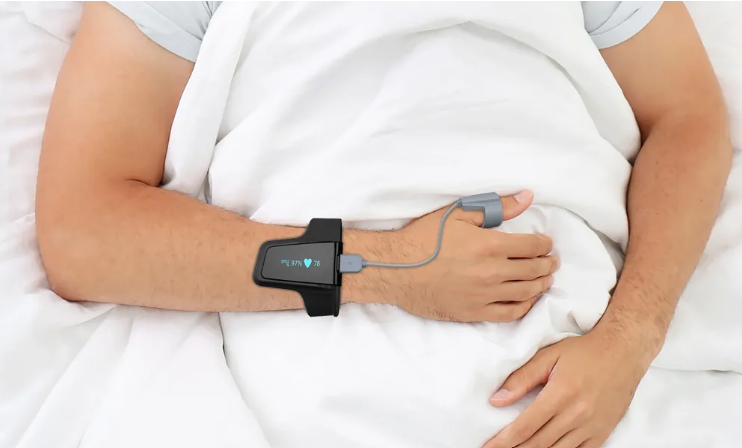
What Happens Right After a Sleep Test Shows Sleep Apnea?
After a positive sleep test, a doctor reviews your report, confirms the diagnosis, and talks with you about treatment.
The report alone does not start your care. Treatment usually needs a doctor’s order, and many insurance plans need that order too.
Most people move through the same general steps, even though the timing varies.
- Results review. A doctor explains your numbers, your symptoms, and the type of sleep apnea found.
- Treatment choice. You and your doctor pick a plan based on severity, health history, and what you can live with.
- Prescription. If you need a device, your doctor writes the order.
- Insurance check. Your plan may need approval before the device ships.
- Equipment setup. A supplier or dentist provides and fits the device.
- Follow-up. Your doctor checks how treatment is working and adjusts the plan as needed.
If you have not seen your numbers yet, our guide on how to read home sleep test results walks through each part of the report.
What Do the Numbers on My Report Mean?
The main number on most reports is the apnea-hypopnea index, or AHI, which counts breathing events per hour of sleep. Home tests may list a similar score under a different name.
Doctors commonly group adult scores this way.
- Normal: fewer than 5 events per hour
- Mild: 5 to 14 events per hour
- Moderate: 15 to 29 events per hour
- Severe: 30 or more events per hour
The score is only one part of the picture. Your doctor also looks at oxygen levels, body position, daytime symptoms, and your other health conditions. Two people with the same score can end up with different plans.
Do I Still Need a Doctor If My Report Says Sleep Apnea?
Yes, you still need a doctor, because a report gives you data while a doctor turns that data into a diagnosis and a plan. This is true even when the report comes with an automated score.
A doctor can also spot results that do not match your symptoms.
Sometimes the next step is more testing rather than treatment. Your doctor may suggest a lab study if your home test was too short or if the results are unclear. A lab study may also make sense if another sleep disorder is possible.
Our article on whether sleep study results can be wrong explains how that decision works.
What Should I Ask at My Results Visit?
The best questions cover your severity, your options, your costs, and how you will know treatment is working. Writing them down helps, because a new diagnosis can feel like a lot to take in.
Here are good questions to bring.
- What type of sleep apnea do I have, and how severe is it?
- How low did my oxygen levels drop during the test?
- Which treatment do you suggest first, and why?
- What are my options if I cannot tolerate that treatment?
- Could any of my medications or health conditions be involved?
- Do I need another test before I start?
- What will my insurance need from you and from me?
- When will we review my progress, and who do I call with problems?
What Treatment Options Might My Doctor Discuss?
Positive airway pressure, or PAP, is the most common treatment for sleep apnea, according to the National Heart, Lung, and Blood Institute. The same source also lists oral devices, surgery, implants, medication, and lifestyle changes. Which ones fit depends on your diagnosis and your health.
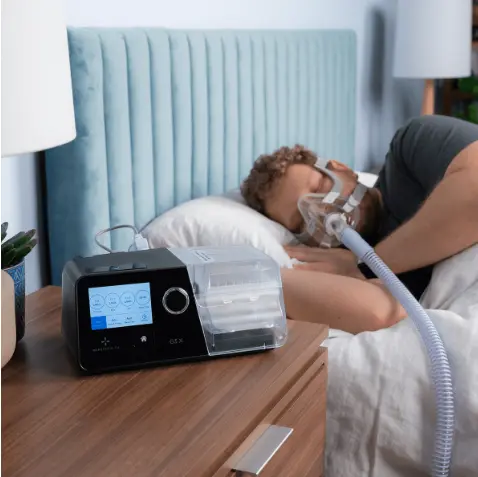
- CPAP, APAP, or BiPAP machines. These deliver air pressure through a mask to help keep the airway open. Our BiPAP vs CPAP guide explains how they differ.
- Oral devices. A dentist can fit a custom device for people who do not want or cannot tolerate CPAP. Learn more about oral appliance therapy.

- Implants and surgery. These include hypoglossal nerve stimulation and procedures that enlarge the upper airway. They are usually discussed after other options.
- Medication. The FDA has approved an injected weight-loss medicine for adults with moderate to severe sleep apnea and obesity.
- Lifestyle changes. Regular activity, a healthy weight, less alcohol, and side sleeping may help alongside other treatment.
For a full overview, see our guide to sleep apnea treatment options. If you have already tried CPAP and struggled, read about what to do when you can’t tolerate CPAP.
How Long Does It Take to Start Treatment?
There is no single timeline, because the wait depends on your doctor’s schedule, your insurance, and your equipment supplier. Some people start within days. Others wait longer if their plan needs prior approval or if a custom device must be made.
You can often shorten the wait with a few simple steps.
- Book your results visit as soon as your report is ready.
- Ask your insurer whether the device needs prior authorization.
- Ask which equipment suppliers are in your network.
- Ask your doctor’s office to confirm that the order was sent.
- Call the supplier yourself if you have not heard back within a few days.
Delays are worth following up on, especially if you feel sleepy during the day. Your doctor’s office can usually tell you where the order is stuck.
How Does Insurance Work After a Diagnosis?
Most insurance plans want a documented diagnosis and a doctor’s order before they pay for a device, and many also check that you use it. Rules differ between plans, so it helps to call your insurer early.

Use your machine from the first night and keep your follow-up visit, because missed use can put coverage at risk under many plans. Ask your insurer how they measure use.
What Should the First Few Weeks Feel Like?
The first few weeks are an adjustment period, and it is common to need mask or comfort changes before CPAP feels normal. Some people feel better within days. Others take longer, and that does not mean the treatment has failed.
Watch: Dr. Wells explains why you are struggling with CPAP
Common early issues include a dry mouth, a stuffy nose, mask leaks, and trouble falling asleep with the mask on. Our CPAP side effects guide covers what is common and when to call. Our guide to starting CPAP therapy covers setup and your first nights.
Do not change your CPAP pressure settings on your own. Talk with your care team first, since they can review your data and adjust the settings safely. The NHLBI also advises stopping the machine and contacting your provider if you have stomach discomfort or bloating.
Is Mild Sleep Apnea Worth Treating?
Many people with mild sleep apnea still benefit from a treatment conversation, especially if they have daytime symptoms.
A mild score does not always mean mild symptoms. Your doctor will weigh your sleepiness, your oxygen levels, and your other health conditions.
For some people, the plan may start with an oral device, side sleeping, or weight changes rather than CPAP.
Our article on mild sleep apnea explains why you may still feel tired and what may help.
Frequently Asked Questions
What happens after a sleep test shows sleep apnea?
A doctor reviews your report, confirms the type and severity, and discusses treatment options with you.
Do I need to see a doctor after a positive home sleep test?
Yes. A doctor turns your results into a diagnosis and a plan, and most treatments need a doctor's order.
Can I buy a CPAP machine without a doctor?
In the United States, CPAP machines require a prescription, so you need a doctor's order first.
Will I definitely need CPAP?
Not always. CPAP is common for moderate to severe obstructive sleep apnea, but other options may fit some people.
What does AHI mean on my report?
AHI stands for apnea-hypopnea index. It counts breathing events per hour of sleep.
What AHI counts as severe sleep apnea?
In adults, an AHI of 30 or more events per hour is commonly considered severe.
Is sleep apnea an emergency?
Usually it is not, but it deserves prompt follow-up. Chest pain or severe trouble breathing needs emergency care.
How soon should I book a results visit?
Book it as soon as your report is ready, since treatment cannot start until a doctor reviews it.
How long does it take to get a CPAP machine?
It varies with your insurance, your supplier, and your doctor's schedule. Prior authorization can add time.
Will insurance pay for my CPAP machine?
Many plans cover it when it is medically necessary, but rules and costs vary. Call your insurer to confirm.
Does Medicare cover CPAP?
Medicare says it may cover a 12-week CPAP trial for people diagnosed with obstructive sleep apnea.
Why does my insurer care how often I use CPAP?
Many plans check use to confirm the therapy is needed and helping before they continue coverage.
Can I try an oral device first?
You can ask. Oral devices are an option for some people who do not want or cannot tolerate CPAP.
Will I need another sleep test?
Possibly. Your doctor may order one if results are unclear, or later to check how treatment is working.
Does mild sleep apnea need treatment?
Many people with mild sleep apnea benefit from a treatment discussion, especially if they have daytime symptoms.
Can losing weight make sleep apnea go away?
Weight loss is linked to fewer breathing events in some people, but it does not resolve sleep apnea for everyone.
How long until I feel better on CPAP?
Some people notice changes within days, while others need several weeks. Tell your doctor if you are not improving.
Can I change my CPAP pressure myself?
No. Talk with your care team first, since they can review your data and adjust settings safely.
Is it safe to drive before treatment starts?
Do not drive when you feel drowsy. Tell your doctor if you have nodded off behind the wheel.
Should I tell other doctors about my diagnosis?
Yes. Tell your other doctors and any anesthesia team, since sleep apnea can affect your care.
Latest posts
-
How Much Does a Home Sleep Study Cost in 2026? Real Price Ranges
Last updated: October 31, 2026. Medically reviewed by Dr. Avinesh Bhar, Board-Certified Sleep Physician, SLIIIP.com. A home sleep study usually costs about $150 to $500 if you pay cash. With…
-
Do I Need CPAP After a Home Sleep Test? Not Always. Here’s Why
Last updated: November 3, 2026. Medically reviewed by Dr. Avinesh Bhar, Board-Certified Sleep Physician, SLIIIP.com. You do not always need CPAP after a home sleep test. The decision depends on…
·
-
My Sleep Test Shows Sleep Apnea. What Happens Next?
Last updated: November 3, 2026. Medically reviewed by Dr. Avinesh Bhar, Board-Certified Sleep Physician, SLIIIP.com. If your sleep test shows sleep apnea, the next step is a review with a…
Get updates
Spam-free subscription, we guarantee. This is just a friendly ping when new content is out.

