

Should You Get a Sleep Test Before Surgery?
Last updated: November 24, 2026. Medically reviewed by Dr. Avinesh Bhar, Board-Certified Sleep Physician, SLIIIP.com.
If you have signs of sleep apnea and a planned surgery, a sleep test before the operation is often worth discussing with your surgical team.
Dr. Avinesh Bhar, Board-Certified Sleep Physician at SLIIIP.com, points out that many adults with sleep apnea have never been tested. The pre-surgery visit can be the first time anyone asks about it.
Knowing about sleep apnea before surgery lets your team plan anesthesia, pain control and monitoring around it.
SLIIIP’s board-certified sleep physicians can do sleep evaluations for sleep apnea. Virtual consultations in all 50 states. Home sleep tests shipped to your door.
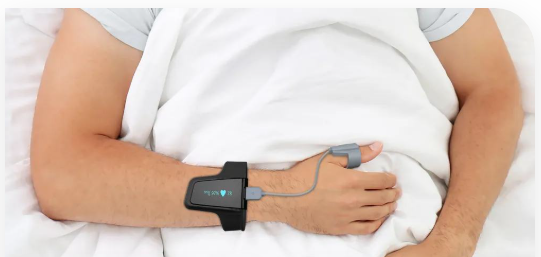
Why Does Sleep Apnea Matter for Surgery?
Sleep apnea matters because the drugs used during and after surgery can make the airway collapse more easily.
That can lower oxygen levels and lengthen breathing pauses.
According to UW Medicine patient guidance, general anesthesia can lower blood oxygen and make apnea episodes longer and more frequent.
The same guidance notes that a breathing tube may be harder to place in someone with sleep apnea.
Recovery brings its own risks:
- Leftover anesthesia and pain medicines can cause deep sleepiness and shallow breathing.
- Throat swelling after a breathing tube is removed can narrow the airway further.
- Sleeping flat on your back after surgery can make obstructive sleep apnea worse.
- Poor sleep in the hospital can increase breathing events in the nights that follow.
Who Should Get a Sleep Test Before Surgery?
People with loud snoring, witnessed breathing pauses, daytime sleepiness or high blood pressure are the most common candidates for testing. Many hospitals use a short questionnaire to flag them.
One widely used screening tool is the STOP-Bang questionnaire. It asks about snoring, tiredness, observed pauses, blood pressure, body mass, age, neck size and sex. A high score suggests a higher chance of sleep apnea.
Other reasons to bring it up include:
- A past surgery where you were told your oxygen dropped or you were hard to wake.
- Heart rhythm problems, heart failure or a past stroke.
- Type 2 diabetes or obesity.
- Planned surgery that will need strong pain medicines afterward.
- Weight loss surgery, where screening for sleep apnea is common.
Is There Enough Time to Test Before Surgery?
Often yes, if you start early. A home sleep test can usually be shipped, used and read within a few weeks.
Timing depends on the clinic, shipping and how quickly the results are reviewed. Our guide on how long sleep study results take covers typical timelines.
If surgery is urgent, your team will not wait for a test. Anesthesia teams may instead treat you as
if you have sleep apnea when your profile fits. That can mean extra oxygen monitoring, careful use of opioids and positioning on your side.
For planned surgery, ask about testing at the first pre-surgery visit. Starting early leaves time to begin treatment if the test is positive.
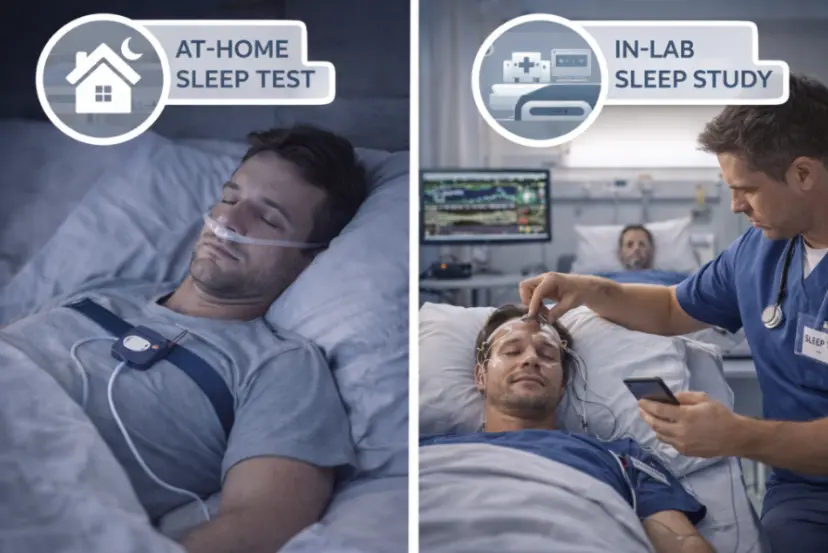
Home Sleep Test or Lab Study Before Surgery?
A home sleep test is often enough for adults with suspected obstructive sleep apnea and no major heart or lung disease. It is convenient and usually faster to arrange.
A lab study may be better if you have heart failure, lung disease, use opioids regularly or have symptoms of other sleep disorders. A sleep physician can decide which test fits your health and your surgery date.
Learn more about how to get a home sleep test.
What If You Already Use CPAP?
If you already use CPAP, tell your surgical team and ask whether to bring your machine and mask to the hospital. Many hospitals ask patients to bring their own equipment.
Keep using CPAP every night before surgery unless your doctor tells you otherwise. Regular use before the operation is part of good preparation.
Also share your current settings and any recent changes in weight or symptoms. Your sleep physician can confirm that your therapy is still working.
Can Treating Sleep Apnea Before Surgery Help?
Starting treatment before surgery is an option many surgical teams like to discuss when a test is positive. CPAP is the most common choice.
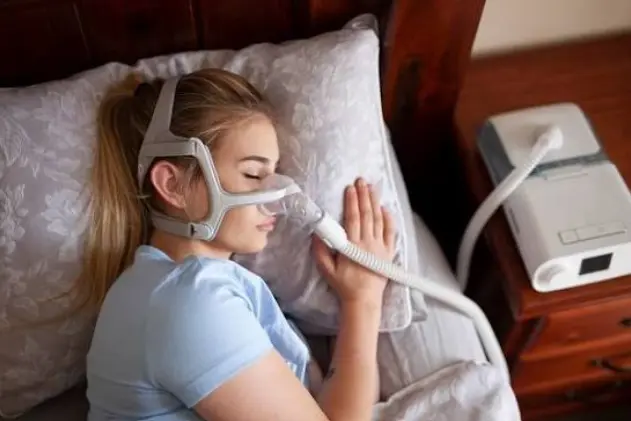
Even a few weeks of nightly use can help you get used to the mask before the hospital stay. That makes it easier to keep using it during recovery, when the risk of breathing problems is higher.
Other options include a custom oral appliance or position therapy for some people with milder disease.
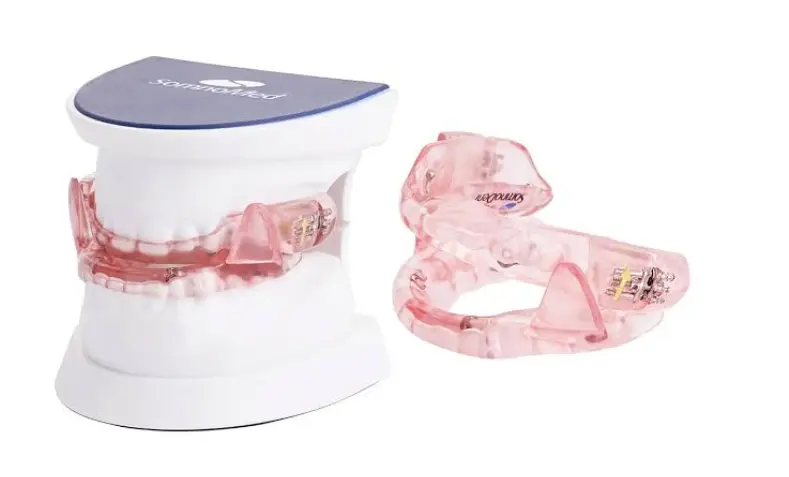
Your sleep physician will match the treatment to your test results.
Treatment does not have to be perfect before the operation. The goal is to give your team accurate information and a plan they can support in recovery.
What Should You Tell Your Surgical Team?
Tell your team about snoring, breathing pauses, daytime sleepiness and any past sleep test, even if it was years ago. This information shapes their plan.
- Whether you have been diagnosed with sleep apnea and how severe it was.
- Whether you use CPAP, an oral appliance or another treatment.
- Any problems with anesthesia or breathing after past surgeries.
- All medicines you take, including sleep aids and pain medicines.
If you take a weekly weight loss injection, mention that too. Some of these medicines have special instructions before anesthesia.
Watch: Sleep Studies, Sleep Apnea, and Treatment with Avinesh Bhar MD
When to See a Doctor
See a sleep physician before planned surgery if you snore loudly, stop breathing in your sleep or feel very sleepy during the day. Do this as soon as the surgery date is set.
Dr. Avinesh Bhar recommends sharing your surgery date with the sleep clinic at the first visit..
Insurance and Getting Started
SLIIIP works with many major insurance plans, including Medicare, TRICARE, Aetna, Cigna, Blue Cross Blue Shield, Humana and UnitedHealthcare.

Check your coverage in a few minutes, then book a virtual visit with a board-certified sleep physician.
For cash payments, price for Initial Consultation is $150
Follow up appointments cost $125
Frequently Asked Questions
Should I get a sleep test before surgery?
If you have signs of sleep apnea, ask your surgical team. Testing can help them plan anesthesia and monitoring.
Why is sleep apnea risky during surgery?
Anesthesia and pain medicines relax the airway and slow breathing. This can lower oxygen levels.
Will my surgery be canceled if I have sleep apnea?
Usually not. Your team adjusts anesthesia, pain control and monitoring instead.
What is the STOP-Bang questionnaire?
It is a short screening tool used before surgery. It estimates the chance of sleep apnea.
Is a home sleep test good enough before surgery?
For many adults with suspected obstructive sleep apnea, yes. A lab study may fit complex cases better.
How long before surgery should I test?
Start as early as possible. A few weeks is often enough for a home test and results.
Should I bring my CPAP to the hospital?
Ask your team. Many hospitals ask patients to bring their own machine and mask.
Can I have surgery if I just started CPAP?
Often yes. Your sleep physician and surgical team will decide together.
Does sleep apnea affect pain medicine after surgery?
It can. Opioids may slow breathing more in people with sleep apnea, so doses are chosen carefully.
Is sleep apnea a risk for minor surgery too?
Any sedation can affect breathing. Tell your team even for short procedures.
What if my surgery is urgent?
Your team will not wait for a test. They may treat you as if you have sleep apnea.
Can I get tested quickly?
A telehealth visit and home test can often be arranged fast. Timing depends on shipping and review.
Will insurance cover a sleep test before surgery?
Many plans cover testing when there is a medical reason. Check your plan first.
Should I sleep on my side after surgery?
Side sleeping can help some people with obstructive sleep apnea. Follow your team's instructions.
Does sleep apnea raise heart risks after surgery?
Untreated sleep apnea is linked to more heart and breathing problems after surgery.
What should I tell my anesthesiologist?
Share any diagnosis, symptoms, past test results and CPAP use.
Do weight loss injections matter before surgery?
Some have special instructions before anesthesia. Tell your team if you take one.
Can an oral appliance be used after surgery?
Ask your team. It depends on the type of surgery and recovery plan.
Is a negative screening questionnaire enough?
It lowers the chance of sleep apnea but does not rule it out. Symptoms still matter.
Who orders the sleep test?
Your surgeon, primary doctor or a sleep physician can order it.
Latest posts
-
Drowsy Driving: When It’s Time for a Sleep Test
Last updated: November 24, 2026. Medically reviewed by Dr. Avinesh Bhar, Board-Certified Sleep Physician, SLIIIP.com. Do you nod off, drift out of your lane or forget the last few miles…
-
Can You Buy a CPAP Without a Sleep Test?
Last updated: November 24, 2026. Medically reviewed by Dr. Avinesh Bhar, Board-Certified Sleep Physician, SLIIIP.com. No, in the United States you cannot legally buy a new CPAP machine without a…
·
-
Do I Need a Sleep Study to Get Zepbound for Sleep Apnea?
Last updated: November 24, 2026. Medically reviewed by Dr. Avinesh Bhar, Board-Certified Sleep Physician, SLIIIP.com. Yes, in most cases you need a sleep study to get Zepbound prescribed for sleep…
Get updates
Spam-free subscription, we guarantee. This is just a friendly ping when new content is out.

