👉 Register for Free. Peri/Menopause at Midnight: Why You Wake Up Hot, Wired, and Wide Awake at 3AM. – Friday, March 27th, 3:00 AM ET with Dr. Audrey Wells.


Sleep Treatment in Virginia: Your Complete Guide to Getting Help
Getting proper sleep treatment in Virginia has traditionally meant driving hours to a specialist, waiting weeks for an appointment, and spending a night in an unfamiliar sleep lab. For many Virginians, especially those in rural areas from the Appalachian mountains to the Chesapeake Bay, these barriers have kept sleep disorders undiagnosed and untreated.
But this has all changed with telemedicine. Virginia residents can now access board-certified sleep medicine specialists through telemedicine, eliminating the need to travel long distances or wait months for appointments. Home sleep testing allows you to complete your sleep study in your own bed, with results reviewed by a licensed sleep physician. Most Virginia insurance plans, including Medicare and Tricare, cover telemedicine sleep consultations.

“Virginia is a state of extremes when it comes to healthcare access,” explains Dr. Avinesh Bhar, founder of SLIIIP and board-certified sleep medicine physician who has treated over 10,000 patients. “Someone in Arlington can see a specialist within days. Someone in Abingdon might wait months and drive two hours each way. Telemedicine closes that gap completely.”
Sleep Disorders in Virginia: The Scope of the Problem
Sleep disorders affect millions of Virginians, often without their knowledge:
An estimated 1 in 4 Virginia adults have undiagnosed sleep apnea
30% of Virginians report regularly getting less than 7 hours of sleep
Drowsy driving contributes to approximately 100 fatal crashes per year in Virginia
Sleep disorders increase risk of heart disease, diabetes, and workplace accidents
Do You Need a Sleep Evaluation? Symptom Checklist
Consider a sleep evaluation if you experience any of these symptoms:
- Loud snoring, especially with pauses in breathing
- Waking up gasping or choking
- Excessive daytime sleepiness despite adequate sleep time
- Difficulty falling asleep or staying asleep
- Morning headaches
- Restless legs or uncomfortable sensations in your legs at night
- Falling asleep unintentionally during the day
- High blood pressure that is difficult to control
Virginia Residents: Get Evaluated From Home
SLIIIP offers telemedicine sleep consultations and home sleep testing throughout Virginia. No travel required.
Common Sleep Disorders We Treat
Obstructive Sleep Apnea (OSA)
The most common sleep disorder, OSA causes you to stop breathing repeatedly during sleep when throat muscles relax and block your airway. Left untreated, it doubles your risk of heart attack and stroke. Treatment options include CPAP therapy, oral appliances, and positional therapy.
You can do a home sleep test to see if you have sleep apnea.
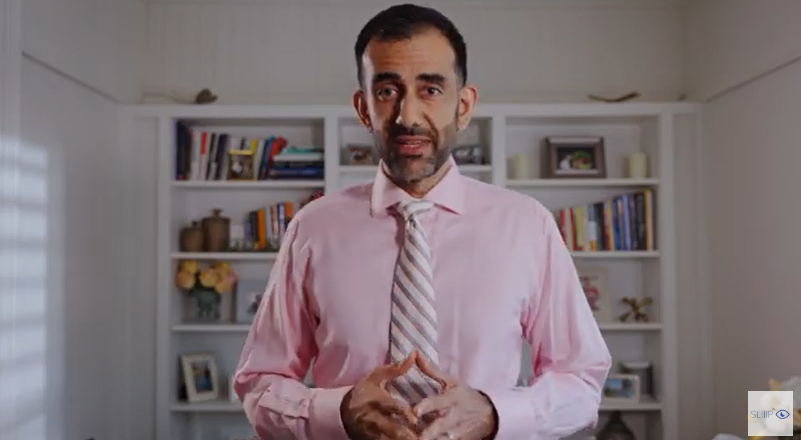
Sleep Apnea Explained
https://youtu.be/x2FKuKyhrAs?si=RNp15XT4o13SKVy5
Insomnia
Chronic difficulty falling asleep, staying asleep, or waking too early affects about 30% of adults. Cognitive Behavioral Therapy for Insomnia (CBT-I) is the first-line treatment and is highly effective, often delivered via telemedicine.
Restless Legs Syndrome (RLS)
An irresistible urge to move your legs, often accompanied by uncomfortable sensations, that worsens at night and disrupts sleep. RLS affects up to 3% of the population and can be effectively treated with medication and lifestyle changes.
Narcolepsy
A neurological disorder causing excessive daytime sleepiness and sudden sleep attacks. While less common, narcolepsy significantly impacts quality of life and requires specialized treatment.
Home Sleep Testing vs. Lab Sleep Studies in Virginia
For most Virginia residents suspected of having sleep apnea, home sleep testing offers significant advantages:
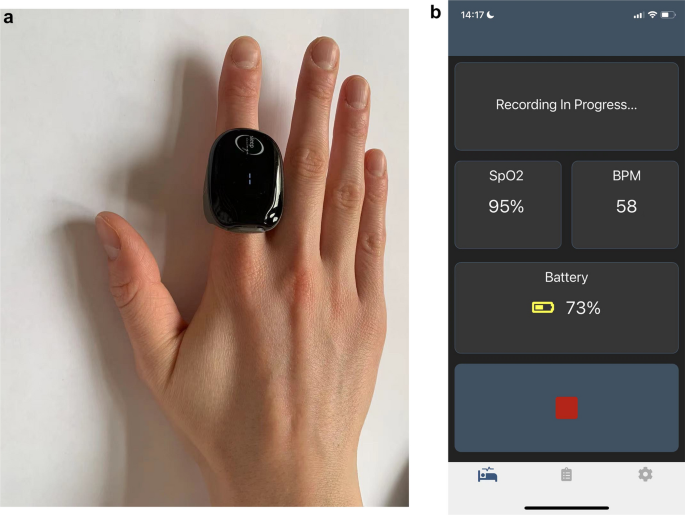
Convenience: Test in your own bed with your normal routine. Often the home sleep test is the Sleep Image ring that is worn on your finger for 2-3 nights testing. Once the data is sent to the sleep doctor, they will evaluate the information and provide you with a treatment plan.
No travel: Equipment shipped directly to your home
Faster results: Results typically available within days, not weeks
Lower cost: Home tests cost significantly less than in-lab studies
More accurate for some patients: Sleeping in your own environment provides more typical sleep patterns
In-lab polysomnography is still recommended for certain patients, including those suspected of having central sleep apnea, narcolepsy, or complex sleep disorders. Your sleep specialist will recommend the most appropriate testing method for your situation.
Sleep Apnea Treatment Options Available in Virginia
CPAP Therapy
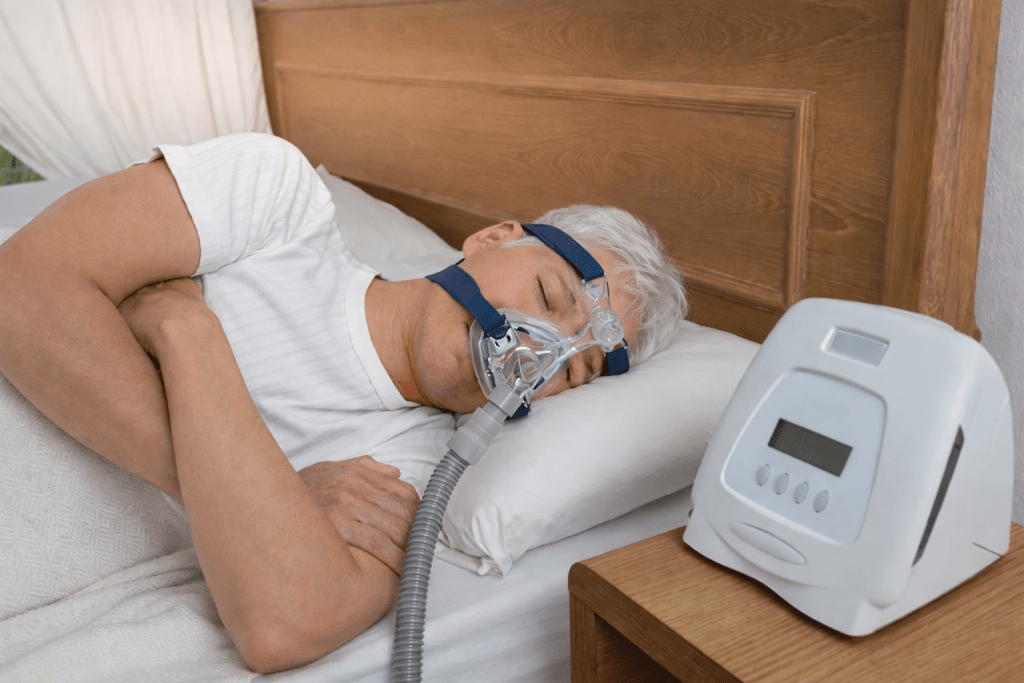
Continuous Positive Airway Pressure remains the gold standard for moderate to severe sleep apnea. Modern CPAP machines are quiet, compact, and can transmit usage data to your provider for remote monitoring. SLIIIP offers remote CPAP setup and ongoing management through telemedicine.
Oral Appliance Therapy
Custom dental devices that reposition the jaw to keep the airway open are effective for mild to moderate sleep apnea and for patients who cannot tolerate CPAP. These devices are fitted by dentists trained in sleep medicine.

Positional Therapy
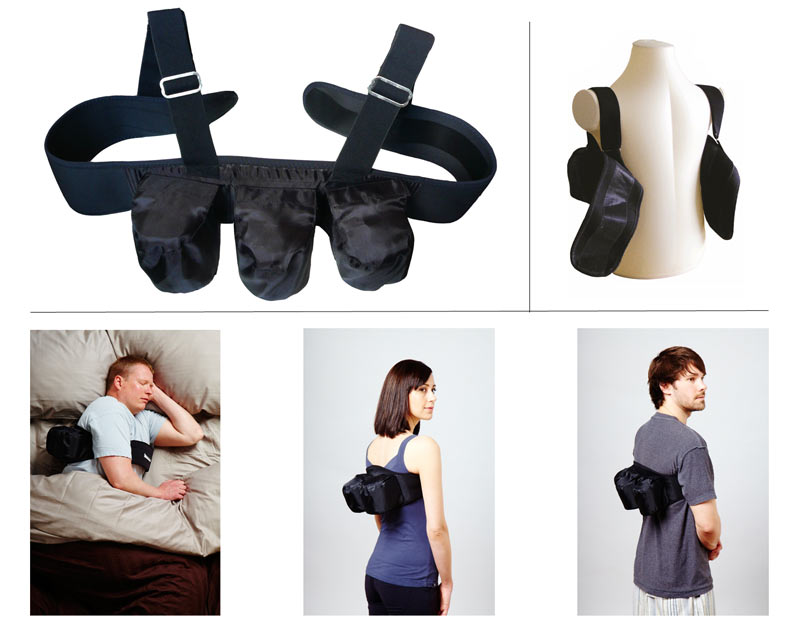
For patients whose sleep apnea primarily occurs when sleeping on their back, positional therapy devices can prevent supine sleep and reduce apnea events.
Lifestyle Modifications
Weight loss, avoiding alcohol before bed, and changing sleep position can all improve sleep apnea symptoms. These approaches are often combined with other treatments.
Insurance Coverage for Sleep Treatment in Virginia
Most Virginia insurance plans cover sleep medicine services, including:
Medicare: Covers telemedicine sleep consultations and home sleep testing
Tricare: Military members and dependents at Norfolk, Langley-Eustis, Quantico, and other Virginia bases are covered
Private insurance: Most major carriers including Anthem, Aetna, UnitedHealthcare, and Cigna cover sleep medicine services
“We verify insurance coverage before every appointment,” notes Dr. Bhar. “Virginia patients should never let insurance concerns prevent them from getting evaluated. Most people are pleasantly surprised by their coverage.”
Why Telemedicine Sleep Care Makes Sense for Virginia
Virginia spans over 42,000 square miles, from the coal country of Southwest Virginia to the military bases around Norfolk. Sleep medicine specialists are concentrated in urban areas, leaving many Virginians hours away from expert care. Telemedicine eliminates this barrier.
No driving: Connect with a specialist from your living room
No time off work: Schedule appointments around your schedule, including evenings
Same quality care: Board-certified sleep medicine physicians with the same credentials as in-person specialists
Better follow-up: Easier to maintain regular check-ins and therapy adjustments
Frequently Asked Questions
Q: Do I need a referral to see a sleep specialist in Virginia?
A: No you do not. You can book directly with a sleep specialist at sliiip.com and we will get a home sleep test delivered to your home.
Q: How long does it take to get a sleep apnea diagnosis in Virginia?
A: With telemedicine and home sleep testing, you can typically receive a diagnosis within 1 to 2 weeks of your initial consultation. Traditional in-lab studies often have longer wait times.
Q: Can I get CPAP equipment through telemedicine?
A: Yes. After your diagnosis, CPAP equipment can be shipped directly to your Virginia address. SLIIIP offers remote setup assistance and ongoing CPAP management through telemedicine.
Q: Is telemedicine sleep care legal in Virginia?
A: Yes. Virginia law permits licensed physicians to provide medical care via telemedicine. SLIIIP’s physicians are licensed to practice in Virginia and follow all state telehealth regulations.
Start Your Sleep Treatment Journey Today Whether you live in Richmond, Roanoke, Virginia Beach, or rural Southwest Virginia, quality sleep care is now accessible from your home. SLIIIP offers: Free sleep evaluations to determine if testing is needed Home sleep testing shipped to your door Telemedicine consultations with board-certified sleep physicians Ongoing treatment management and CPAP support Schedule your consultation at sliiip.com or call 478-238-3552
Latest posts
-
Can Sleep Apnea Cause Weight Gain? The Metabolic Connection
Sleep apnea does not just disrupt your rest. It actively interferes with the hormones that regulate hunger, metabolism, and fat storage. If you have been gaining weight despite effort, or…
-
Can a No Snoring Mouthpiece Solve Your Sleep Issues?
Can a no snoring mouthpiece solve your sleep issues? For many, a dental appliance is the first line of defense against disruptive nighttime noise and fragmented sleep. While these devices…
-
ResMed AirMini vs. Transcend Micro: Which Travel CPAP Wins?
Choosing between the ResMed AirMini and the Transcend Micro comes down to three things: the mask you already own, how aggressively you travel, and whether app-based sleep tracking matters to…
Get updates
Spam-free subscription, we guarantee. This is just a friendly ping when new content is out.

