👉 Register for Free. Peri/Menopause at Midnight: Why You Wake Up Hot, Wired, and Wide Awake at 3AM. – Friday, March 27th, 3:00 AM ET with Dr. Audrey Wells.


Top Reasons for Waking Up with Headaches
Understanding Morning Headaches
Morning headaches can be a sign of underlying sleep problems or high blood pressure. Identifying the type of headache and its cause, including factors contributing to head pain such as dehydration and poor sleep quality, is the first step to finding relief. Common types of morning headaches include tension headaches, migraines, and hypnic headaches.
Dr. Avinesh Bhar, is an expert sleep doctor at Sliiip.com and he sees many patients that were diagnosed with migraines but actually had issues with proper sleep.
Adults generally need 7 to 9 hours of sleep per night for optimal health, but there are differences between men and women due to biological and hormonal factors.
Women and Sleep Needs
Women often require slightly more sleep than men—about 20 to 30 minutes more on average. This is because of:
- Hormonal fluctuations: Menstrual cycles, pregnancy, and menopause impact sleep quality and increase the need for recovery sleep.
- Multitasking and cognitive load: Some research suggests women’s brains engage in more complex multitasking, requiring more restorative sleep.
- Higher risk of sleep disorders: Women are more prone to insomnia, restless legs syndrome, and fragmented sleep due to hormonal changes.
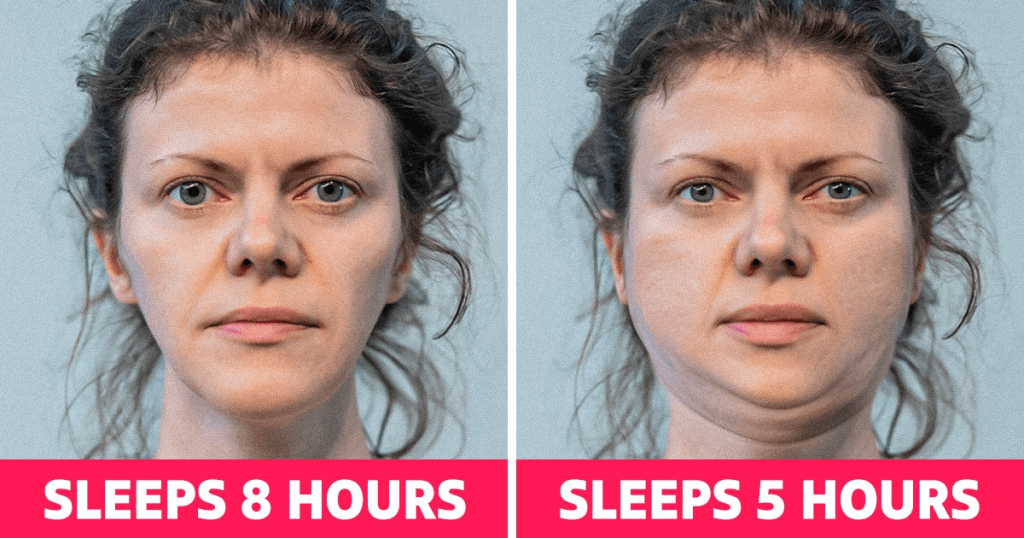
Not only does lack of sleep affect your body, it can also cause rapid aging.Lack of sleep accelerates aging by increasing cortisol levels, which break down collagen and lead to wrinkles and sagging skin. Poor sleep also reduces the production of human growth hormone (HGH), essential for skin repair and cell regeneration. Additionally, chronic sleep deprivation leads to increased oxidative stress and inflammation, which damage skin cells and accelerate aging. Over time, insufficient sleep contributes to dull skin, fine lines, and an overall aged appearance.
Men and Sleep Needs
Men also need 7 to 9 hours, but they generally experience deeper sleep stages and fewer awakenings. However:
- Higher risk of sleep apnea: Men are more likely to develop obstructive sleep apnea, which can reduce sleep quality.
- Slower decline in deep sleep: Compared to women, men maintain slow-wave (deep) sleep for a longer period as they age.
Diagnosis and treatment are key to managing bad headaches. If a home sleep test is recommended by your Sleep Doctor, we will send you a FDA-approved, simple to setup, home sleep test. Use it for one or two nights. After the test, you’ll send the device back to us for analysis.—just book an appointment online at Sliiip.com.
Stress and Anxiety as Triggers for Morning Headaches
Stress and anxiety are common triggers for morning headaches. When we experience stress, our body’s “fight or flight” response is activated, leading to increased muscle tension, heart rate, and blood pressure. This can cause blood vessels in the brain to constrict, leading to pain and discomfort.
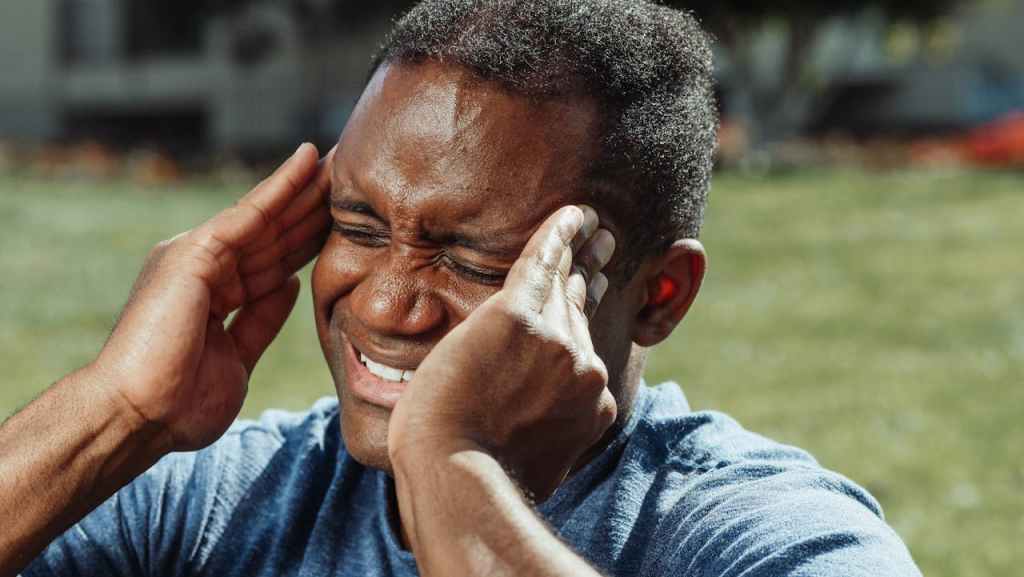
Anxiety can also contribute to morning headaches by disrupting sleep patterns. When we’re anxious, we may have difficulty falling asleep or staying asleep, leading to fatigue and increased sensitivity to pain. Additionally, anxiety can cause us to grind our teeth or clench our jaw, leading to tension headaches.
If you’re experiencing morning headaches due to stress and anxiety, there are several strategies you can try to alleviate your symptoms. These include:
- Practicing relaxation techniques, such as deep breathing, meditation, or yoga
- Engaging in regular exercise to reduce stress and anxiety
- Establishing a consistent sleep schedule to improve sleep quality
- Avoiding caffeine and electronics before bedtime
- Keeping a headache diary to track your symptoms and identify potential triggers
By addressing stress and anxiety, you can reduce your risk of morning headaches and improve your overall quality of life.
If you are not sleeping at least 7 hours each night, you are at risk of getting health issues.
Dr. Avinesh Bhar
Conclusion
Waking up with headaches can be frustrating and disruptive, but understanding the underlying causes is the first step toward relief.
Sleep disorders like insomnia and sleep apnea, dehydration and lifestyle factors all play a role in morning headaches. By improving sleep habits, staying hydrated, managing stress, and addressing any medical conditions, you can reduce the frequency and severity of these headaches.
If morning headaches persist despite lifestyle changes, or if they are accompanied by concerning symptoms like neurological issues or severe pain, seeking medical attention is essential. With the right approach, you can wake up feeling refreshed and headache-free.
Understanding Morning Headaches
Morning headaches can be a sign of underlying sleep problems or high blood pressure. Identifying the type of headache and its cause, including factors contributing to head pain such as dehydration and poor sleep quality, is the first step to finding relief. Common types of morning headaches include tension headaches, migraines, and hypnic headaches.
Dr. Avinesh Bhar, is an expert sleep doctor at Sliiip.com and he sees many patients that were diagnosed with migraines but actually had issues with proper sleep.
Adults generally need 7 to 9 hours of sleep per night for optimal health, but there are differences between men and women due to biological and hormonal factors.
Women and Sleep Needs
Women often require slightly more sleep than men—about 20 to 30 minutes more on average. This is because of:
- Hormonal fluctuations: Menstrual cycles, pregnancy, and menopause impact sleep quality and increase the need for recovery sleep.
- Multitasking and cognitive load: Some research suggests women’s brains engage in more complex multitasking, requiring more restorative sleep.
- Higher risk of sleep disorders: Women are more prone to insomnia, restless legs syndrome, and fragmented sleep due to hormonal changes.
Not only does lack of sleep affect your body, it can also cause rapid aging.Lack of sleep accelerates aging by increasing cortisol levels, which break down collagen and lead to wrinkles and sagging skin. Poor sleep also reduces the production of human growth hormone (HGH), essential for skin repair and cell regeneration. Additionally, chronic sleep deprivation leads to increased oxidative stress and inflammation, which damage skin cells and accelerate aging. Over time, insufficient sleep contributes to dull skin, fine lines, and an overall aged appearance.
Men and Sleep Needs
Men also need 7 to 9 hours, but they generally experience deeper sleep stages and fewer awakenings. However:
- Higher risk of sleep apnea: Men are more likely to develop obstructive sleep apnea, which can reduce sleep quality.
- Slower decline in deep sleep: Compared to women, men maintain slow-wave (deep) sleep for a longer period as they age.
Diagnosis and treatment are key to managing bad headaches. If a home sleep test is recommended by your Sleep Doctor, we will send you a FDA-approved, simple to setup, home sleep test. Use it for one or two nights. After the test, you’ll send the device back to us for analysis.—just book an appointment online at Sliiip.com.
Types of Morning Headaches
Tension headaches are the most common type of morning headache, often caused by stress, sleep problems, and lifestyle factors like bruxism and insomnia.
Migraines can cause early morning headaches, which may be accompanied by sensitivity to light and sound.
Hypnic headaches are a rare type of headache that occurs during sleep and can wake a person up. Cluster headaches, characterized by severe, stabbing pain typically localized behind one eye, can also occur during sleep or upon waking, and are influenced by sleep quality.
Sleep-Related Causes of Morning Headaches
Sleep disorders, such as insomnia and sleep apnea, can cause morning headaches. Lack of sleep or poor sleep quality can increase the likelihood of getting a headache when waking up. Excessive daytime sleepiness is a symptom of poor sleep quality and is linked to morning headaches. Consistent sleep schedule and good sleep hygiene can help reduce morning headaches.
Obstructive Sleep Apnea and Morning Headaches
- Obstructive sleep apnea (OSA) is a common sleep disorder that can cause morning headaches.
- OSA occurs when the airway partly closes during sleep, leading to low oxygen levels and disrupted sleep.
- Treating OSA with continuous positive airway pressure (CPAP) during sleep can improve morning headaches.
Insomnia and Sleep Problems
Insomnia and headaches are closely linked due to disruptions in the brain’s pain-regulation and sleep-wake systems. When a person experiences chronic sleep deprivation, there is an increase in pro-inflammatory cytokines and heightened activity in the hypothalamic-pituitary-adrenal (HPA) axis, leading to elevated cortisol levels. These changes contribute to increased pain sensitivity and a reduced ability to regulate pain perception.
Additionally, insomnia disrupts the balance of neurotransmitters like serotonin and dopamine, which play key roles in both sleep regulation and headache suppression. Poor sleep quality also affects the function of the thalamus, a critical relay center for sensory processing, including pain signals. As a result, individuals with insomnia often experience tension-type headaches or migraines, reinforcing a cycle where headaches further impair sleep, worsening both conditions.
If you suspect that you have insomnia or another type of sleep disorder, it is important to get a home sleep study that is often covered by your insurance.
Stress and Anxiety as Triggers for Morning Headaches
Stress and anxiety are common triggers for morning headaches. When we experience stress, our body’s “fight or flight” response is activated, leading to increased muscle tension, heart rate, and blood pressure. This can cause blood vessels in the brain to constrict, leading to pain and discomfort.
Anxiety can also contribute to morning headaches by disrupting sleep patterns. When we’re anxious, we may have difficulty falling asleep or staying asleep, leading to fatigue and increased sensitivity to pain. Additionally, anxiety can cause us to grind our teeth or clench our jaw, leading to tension headaches.
If you’re experiencing morning headaches due to stress and anxiety, there are several strategies you can try to alleviate your symptoms. These include:
- Practicing relaxation techniques, such as deep breathing, meditation, or yoga
- Engaging in regular exercise to reduce stress and anxiety
- Establishing a consistent sleep schedule to improve sleep quality
- Avoiding caffeine and electronics before bedtime
- Keeping a headache diary to track your symptoms and identify potential triggers
By addressing stress and anxiety, you can reduce your risk of morning headaches and improve your overall quality of life.
If you are not sleeping at least 7 hours each night, you are at risk of getting health issues.
Dr. Avinesh Bhar
Conclusion
Waking up with headaches can be frustrating and disruptive, but understanding the underlying causes is the first step toward relief.
Sleep disorders like insomnia and sleep apnea, dehydration and lifestyle factors all play a role in morning headaches. By improving sleep habits, staying hydrated, managing stress, and addressing any medical conditions, you can reduce the frequency and severity of these headaches.
If morning headaches persist despite lifestyle changes, or if they are accompanied by concerning symptoms like neurological issues or severe pain, seeking medical attention is essential. With the right approach, you can wake up feeling refreshed and headache-free.

