

What Is Cataplexy? Signs, Triggers, and When to Get Tested
Last updated: October 21, 2026. Medically reviewed by Dr. Avinesh Bhar, Board-Certified Sleep Physician, SLIIIP.com.
Cataplexy is a sudden, brief loss of muscle strength that is usually set off by a strong emotion, like laughing hard or being startled. You stay awake and aware the whole time, even if your knees buckle or you slump to the floor.
Dr. Avinesh Bhar, Board-Certified Sleep Physician at SLIIIP.com, points out that one detail matters most. A person who stays fully aware during a collapse tells a very different story than someone who passes out.
Cataplexy is the hallmark sign of type 1 narcolepsy, a chronic sleep-wake disorder. It is real, it is not a panic reaction, and it deserves a proper sleep evaluation.
SLIIIP’s board-certified sleep physicians can do sleep evaluations for sleep apnea. Virtual consultations in all 50 states. Home sleep tests shipped to your door.
TAKE THE QUIZ
What Does Cataplexy Look Like?
Cataplexy looks like a sudden loss of muscle tone that starts within seconds of a strong emotion and fades on its own. Some attacks are so small that friends never notice them. Others are strong enough to make a person fall.
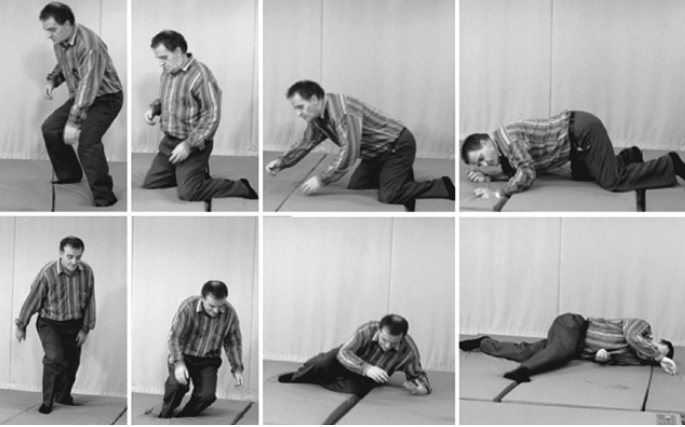
Doctors often split attacks into two groups. A partial attack affects only a few muscles. A complete attack affects most of the body.
Signs of a partial attack
- Eyelids that droop or flutter
- A jaw that drops open or slack face muscles
- Head that nods forward
- Slurred or stalled speech for a moment
- Knees that feel weak or buckle slightly
- Arms that drop, so you might lose your grip on a cup or phone
Signs of a complete attack
In a complete attack, the body goes limp and the person may slide to the ground. They can usually hear and remember everything that happens around them. Breathing continues normally, because the muscles that control breathing are not affected.
According to the National Institute of Neurological Disorders and Stroke (NINDS), episodes usually last from seconds to several minutes. They end on their own. Even in the most severe attacks, people remain fully conscious.
What Triggers Cataplexy?
Strong emotions are the main trigger for cataplexy, and laughter is the most common one. Telling a joke, hearing a punchline, or sharing a funny moment with friends can all bring on an attack.
Other emotions can do the same thing. Common triggers are listed below.
- Laughing, especially a deep belly laugh
- Surprise or being startled
- Anger or frustration
- Fear or sudden stress
- Excitement, such as winning a game or greeting someone you love
Many people learn their own pattern over time. Some notice attacks happen more often when they are tired or stressed. Lack of sleep is linked to more frequent attacks in many people with narcolepsy.
Some people start to avoid jokes, parties, or emotional moments to stay safe. That kind of quiet withdrawal is a sign the condition is affecting daily life. It is worth raising with a doctor.
What Causes Cataplexy?
Cataplexy is linked to the loss of brain cells that make hypocretin, also called orexin. Hypocretin helps keep you awake and helps keep the muscle-relaxing part of REM sleep switched off while you are awake.
During normal REM sleep, the body relaxes most muscles so you do not act out your dreams. In cataplexy, that REM-style muscle relaxation appears to break through while a person is fully awake. This is why cataplexy is often grouped with other REM-related symptoms of narcolepsy.
The NINDS notes that cataplexy is a feature of type 1 narcolepsy, which was once called narcolepsy with cataplexy. People with type 2 narcolepsy usually do not have cataplexy. Symptoms most often begin between ages 7 and 25, but they can start at any age.
In rare cases, cataplexy has been linked to other conditions that affect the brain. That is one more reason a new episode of sudden weakness should be checked by a doctor.
Is Cataplexy the Same as Narcolepsy?
No, cataplexy is a symptom, while narcolepsy is the condition behind it in most cases.
Cataplexy is one of several signs doctors look for when they suspect narcolepsy.
Other common signs of narcolepsy are listed below.
- Excessive daytime sleepiness, with strong urges to sleep during the day
- Sleep paralysis, a brief inability to move while falling asleep or waking up
- Vivid dream-like images as you drift off or wake, called hypnagogic or hypnopompic hallucinations
- Broken nighttime sleep, with many awakenings
MedlinePlus describes cataplexy attacks that usually last about 30 seconds to 2 minutes, with the person staying aware. It also notes that sleep paralysis may last up to 15 minutes. You can read more about the wider condition in our guide to narcolepsy symptoms and testing.
Daytime sleepiness almost always shows up before or alongside cataplexy. A person who has sudden weakness but feels fully rested every day may have a different cause.
Cataplexy vs. Seizure vs. Fainting: How Can You Tell?
The clearest difference is awareness: people with cataplexy stay conscious, while fainting and many seizures cause a loss of awareness. The trigger and the recovery also look different.
- Cataplexy: set off by emotion, person stays aware, no confusion afterward, returns to normal within seconds to minutes.
- Fainting: often follows standing up fast, heat, pain, or the sight of blood. The person blacks out for a short time.
- Seizure: may cause stiffening, jerking, staring, or tongue biting. Many people feel confused or sleepy afterward.
- Sleep paralysis: happens only while falling asleep or waking up, not in the middle of a conversation.
Some people with cataplexy have small muscle twitches in the face during an attack. That can make it look like a seizure to a worried friend. A video of an episode taken on a phone can help a doctor tell these events apart.
Because some of these causes can be serious, never guess on your own. A first-time collapse, a head injury, or a loss of consciousness needs prompt medical care.
How Is Cataplexy Diagnosed?
Cataplexy is diagnosed through a detailed sleep history and specialized sleep testing that checks for narcolepsy. There is no single blood test that confirms it.
Per the NINDS, the standard workup includes an overnight sleep study called a polysomnogram. It is followed the next day by a multiple sleep latency test, or MSLT. The MSLT measures how fast you fall asleep during a series of daytime naps.
In some cases, a doctor may also measure hypocretin levels in the fluid around the spine. This requires a lumbar puncture, so it is not done for everyone.
A home sleep apnea test is built to look for breathing problems during sleep, not to confirm narcolepsy. Still, sleep apnea and other sleep problems can cause heavy daytime sleepiness too. Doctors often need to rule these out or treat them first so the narcolepsy testing is accurate.
Before testing, your doctor may ask you to keep a sleep diary for one to two weeks. Some medicines can affect REM sleep and test results. Never stop or change a prescribed medicine on your own before a sleep study. Ask your doctor first.
How Is Cataplexy Managed?
Cataplexy is managed with a plan built by a sleep specialist, which may include medicine, scheduled naps, and safety steps. Narcolepsy is a chronic condition, but many people find their attacks become less frequent with treatment.
Many people link the habits below to fewer attacks.
- Keeping a regular sleep and wake schedule, even on weekends
- Taking short planned naps during the day
- Limiting alcohol, which can make sleep more broken
- Learning your personal triggers and planning around high-risk moments
- Sitting down when you feel an attack coming on
Safety matters too. People with untreated cataplexy and sleepiness should talk with their doctor about driving, swimming, and using ladders or power tools. Some people also explore support options, such as a narcolepsy service dog, after a diagnosis.
Watch: Dr. Wells explains the top 3 sleep disorders
When to See a Doctor
See a doctor if you have sudden muscle weakness linked to emotion, especially if you also feel very sleepy during the day. Dr. Avinesh Bhar, Board-Certified Sleep Physician at SLIIIP.com, recommends keeping a log of each episode. Note what you were feeling, which muscles went weak, and whether you stayed aware.
That short log often gives a sleep physician more useful clues than any single test.
Book a visit soon if you notice any of these signs.
- Knees buckling, head dropping, or slurred speech when you laugh or feel surprised
- Falling asleep at work, while talking, or while eating
- Sleep paralysis or dream-like images several times a month
- Near-misses while driving because of sleepiness
- Avoiding social events because you fear an attack
Get emergency care right away if someone loses consciousness, has a seizure for the first time, or is hurt in a fall. Sudden one-sided weakness, a drooping face, or trouble speaking can be signs of a stroke. Call 911 for those signs.
A sleep physician can review your full history, check for other sleep disorders such as sleep apnea, and help arrange the right testing. Narcolepsy testing with an overnight study and an MSLT is done in a sleep lab.
SLIIIP accepts many major insurance plans. Check your coverage before your visit so there are no surprises.

Find out in minutes if your insurance covers a virtual sleep evaluation with a SLIIIP board-certified sleep physician.
For cash payments, price for Initial Consultation is $150
Follow up appointments cost $125
Frequently Asked Questions About Cataplexy
What is cataplexy in simple terms?
Cataplexy is a sudden, short loss of muscle strength set off by a strong emotion. The person stays awake and aware the whole time.
What is the most common trigger for cataplexy?
Laughter is the most common trigger. Surprise, anger, fear, and excitement can also bring on attacks.
Do you lose consciousness during cataplexy?
No. People with cataplexy stay fully conscious, even during severe attacks.
How long does a cataplexy attack last?
Most attacks last from a few seconds to a couple of minutes. They end on their own.
Is cataplexy dangerous?
The attack itself does not harm the body, but falls can cause injuries. Attacks while driving or swimming can be dangerous.
Is cataplexy a sign of narcolepsy?
Yes. Cataplexy is the hallmark sign of type 1 narcolepsy.
Can you have narcolepsy without cataplexy?
Yes. People with type 2 narcolepsy usually do not have cataplexy.
Can you have cataplexy without narcolepsy?
It is rare. A few other brain conditions have been linked to it, so a doctor should check any new episodes.
What does a mild cataplexy attack feel like?
It may feel like your face goes slack, your head nods, or your knees go weak for a moment. Many people describe it as feeling suddenly heavy.
Is cataplexy the same as a seizure?
No. People with cataplexy stay aware and are not confused afterward, which is different from many seizures.
Is cataplexy the same as fainting?
No. Fainting causes a short blackout, while cataplexy leaves awareness intact.
What causes cataplexy?
It is linked to the loss of brain cells that make hypocretin, also called orexin. This lets REM-style muscle relaxation break into waking hours.
At what age does cataplexy usually start?
Narcolepsy symptoms usually begin between ages 7 and 25. They can start at any age.
How is cataplexy diagnosed?
Doctors use a detailed sleep history plus an overnight sleep study and a multiple sleep latency test. Some cases also need a spinal fluid test.
Can a home sleep test diagnose cataplexy?
No. A home sleep apnea test looks for breathing problems, not narcolepsy or cataplexy.
Can sleep apnea cause cataplexy?
Sleep apnea is not known to cause cataplexy. It can cause heavy daytime sleepiness, so doctors often check for it during a sleepiness workup.
Does lack of sleep make cataplexy worse?
Many people with narcolepsy notice more attacks when they are tired or stressed. A steady sleep schedule may help.
Can cataplexy be treated?
Yes. A sleep specialist can build a plan with medicine, naps, and safety steps to reduce attacks.
Should I record a cataplexy episode?
Yes, if it is safe. A short phone video can help a doctor tell cataplexy apart from seizures or fainting.
When should I see a doctor about cataplexy?
See a doctor if emotions cause muscle weakness, especially with daytime sleepiness. Get emergency care for any loss of consciousness.
SLIIIP's board-certified sleep physicians can do sleep evaluations for sleep apnea. Virtual consultations in all 50 states. Home sleep tests shipped to your door.
Latest posts
-
Can Statins Cause Insomnia? What the Research Shows
Last updated: November 17, 2026. Medically reviewed by Dr. Avinesh Bhar, Board-Certified Sleep Physician, SLIIIP.com. For most people, probably not. A meta-analysis of placebo-controlled sleep lab studies found that statins…
-
Do Beta Blockers Cause Insomnia? What to Know
Last updated: November 17, 2026. Medically reviewed by Dr. Avinesh Bhar, Board-Certified Sleep Physician, SLIIIP.com. Beta blockers are linked to insomnia in some people. Some beta blockers lower nighttime melatonin,…
-
Do I Need a Sleep Study to Get the Sleep Apnea Pill?
Last updated: November 17, 2026. Medically reviewed by Dr. Avinesh Bhar, Board-Certified Sleep Physician, SLIIIP.com. Yes, almost certainly. Any sleep apnea medicine, including the AD109 pill if it is approved,…
Get updates
Spam-free subscription, we guarantee. This is just a friendly ping when new content is out.

