👉 Register for Free. How to Diagnose Sleep Apnea Faster in Primary Care – FREE Webinar by Dr. Audrey Wells. – Friday, April 24 at 12 PM ET

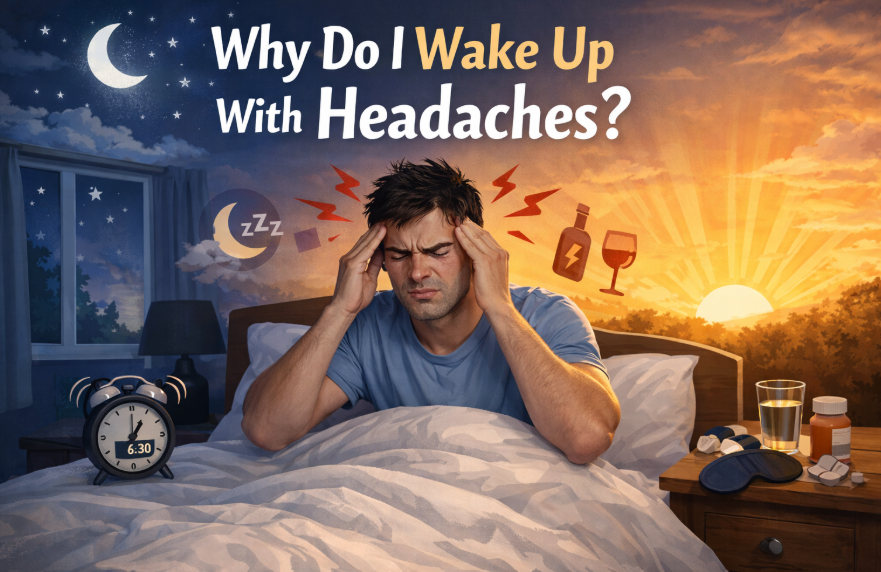
Why do I wake up with headaches?
Waking up should feel refreshing,but you may ask, “why do I wake with headaches?”
If this is happening regularly, your body is sending you an important signal that something is disrupting your sleep or your health.
Morning headaches are surprisingly common, and one of the most frequent reasons patients reach out to sleep specialist Dr. Avinesh Bhar for evaluation and care.
Research suggests that approximately 1 in 13 people experience them. They affect women more frequently than men and peak between ages 45 and 64. While an occasional morning headache can be explained by dehydration or a poor night of sleep, frequent headaches upon waking deserve investigation.
This article breaks down the most common reasons people wake up with headaches, the surprising role that sleep disorders play, and what treatment options exist, including some you may not have considered.
Types of Morning Headaches: Understanding Your Pain
Not all headaches are the same, and the type of pain you feel when you wake up can offer important clues about the underlying cause.
Tension Headaches
These feel like a tight band of pressure around your head, typically affecting both sides. They are the most common type of headache overall and can be triggered by poor sleep posture, stress, jaw clenching, or muscle tension in the neck and shoulders.
Migraines
Migraines cause intense, throbbing pain, often on one side of the head, frequently accompanied by nausea, light sensitivity, and sometimes visual disturbances called aura. Early morning is the most common time for migraine episodes to begin, partly due to circadian rhythm shifts and changes in hormone and neurotransmitter levels during sleep.
Sleep Apnea Headaches
Headaches caused by sleep apnea tend to feel like pressing, dull pain on both sides of the head. They typically occur upon waking and resolve within a few hours. These headaches are caused by changes in oxygen and carbon dioxide levels during the repeated breathing interruptions that characterize sleep apnea.
Medication Overuse Headaches
If you take over-the-counter pain relievers more than 10 days per month, your body can develop a rebound effect where the medication withdrawal overnight triggers a headache by morning. This is one of the most common yet least recognized causes of daily morning head pain.
The Sleep Apnea Connection: A Major and Overlooked Cause
Obstructive sleep apnea is one of the most significant and frequently missed causes of morning headaches. When your airway becomes blocked during sleep, your blood oxygen levels drop and carbon dioxide levels rise. This change in blood gases causes blood vessels in the brain to dilate, creating pressure and pain.
People with sleep apnea often wake with a headache that gradually fades over the first hour or two of the day. Many never connect their headaches to a sleep problem because they do not realize their sleep is being disrupted. Other symptoms to watch for alongside morning headaches include daytime fatigue, loud snoring, dry mouth upon waking, and difficulty concentrating.
Other Common Causes of Waking Up With Head Pain
Teeth Grinding (Bruxism)
Grinding your teeth or clenching your jaw during sleep, called sleep bruxism, creates significant tension in the muscles of the face, jaw, and temples. This can produce headaches that are felt upon waking. Bruxism is also frequently associated with sleep apnea, as the jaw clenching may be the body’s attempt to keep the airway open.

Dehydration
Going several hours without water, especially if you breathe through your mouth, snore, or consumed alcohol the night before, can leave you mildly dehydrated by morning. Dehydration reduces blood volume and oxygen flow to the brain, triggering headaches.
Poor Sleep Posture
Sleeping positions that strain your neck and shoulders can trigger tension-type headaches. Using the wrong pillow height or sleeping on your stomach with your neck twisted are common culprits.
Caffeine Withdrawal
If you are a regular coffee drinker, the overnight gap between your last cup and waking can be long enough to trigger caffeine withdrawal. Your blood vessels, normally constricted by caffeine, expand during the withdrawal period, which can cause a throbbing headache.
Depression and Anxiety
Mental health conditions are strongly linked to both poor sleep quality and headache disorders. Depression and anxiety can increase muscle tension, alter sleep architecture, and sensitize the nervous system to pain, all of which contribute to morning headaches.
When Should You See a Doctor About Morning Headaches?
Consult a healthcare provider if your morning headaches:
- Occur more than twice per week
- Are increasing in frequency or severity
- Are accompanied by excessive daytime sleepiness
- Are associated with loud snoring
How Morning Headaches Are Diagnosed and Treated
Your doctor will ask about the nature of your headaches, their frequency, associated symptoms, and your sleep habits. If a sleep disorder is suspected, a sleep study may be ordered. A home sleep apnea test is a simple option that can be done in your own bed.
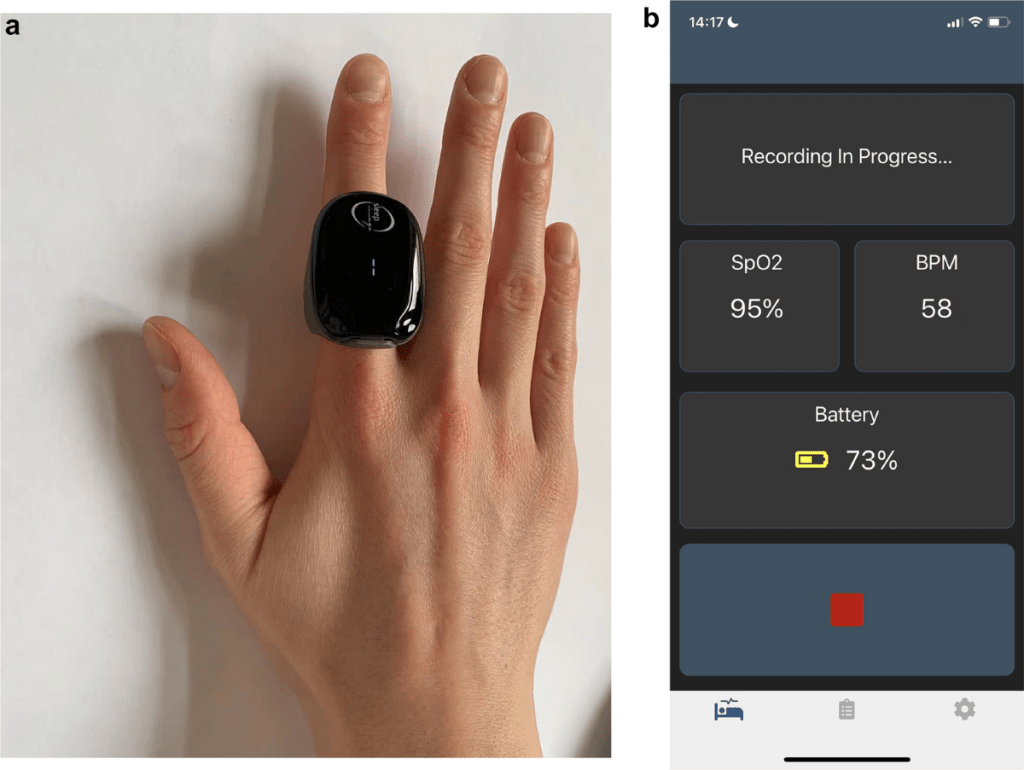
These home sleep tests are approved by Medicare, Tricare and these major insurances:

Treatment addresses the root cause. For sleep apnea, CPAP therapy is the standard first-line treatment. For patients who struggle with CPAP, oral appliance therapy provides an effective alternative that many patients find more comfortable and easier to use consistently.
Oral Appliance Therapy: What Patients Want to Know
For patients whose morning headaches are driven by sleep apnea or bruxism, oral appliance therapy can address both problems simultaneously. These custom-fitted dental devices reposition the jaw to keep the airway open and can also reduce teeth grinding.
Below, dentists answer common patient questions:
Q: How do I know my snoring is sleep apnea related and how will an oral appliance help? |
Dr. Steven Rosenthein |
Q: What should patients expect during the oral appliance fitting process, and how do you determine the right amount of jaw advancement for each individual?” |
Zaid Mohammad DDS https://www.idealmoderndentistry.com/ “The process starts with taking impressions and measuring your bite at 50% of your range of motion. We carefully select your specific appliance based on your unique needs—whether you need durability for teeth grinding, a thinner design for comfort, or specific Medicare compliance. At the fitting, we ensure the device seats fully and aligns with your jaw’s natural movement. We check that no single tooth bears excessive pressure, aiming for the device to be well-tolerated so you can sleep through the night. You’ll receive home care instructions and morning exercises with a special bite guide to help “reset” your jaw to its normal position. After two weeks, we review your progress and use an overnight oxygen-monitoring test to fine-tune the device for better results. Once you are sleeping better and feeling more rested, we coordinate with a physician to order a final home sleep study to confirm your treatment is successful.” |
Q: How many years can an oral appliance last? |
Dr. Elizabeth Kalliath www.mgdentistry.com |
Frequently Asked Questions
Why do I wake up with a headache every single morning?
Daily morning headaches most commonly point to an underlying sleep disorder like obstructive sleep apnea, medication overuse, or chronic teeth grinding. Any persistent pattern of morning headaches warrants a medical evaluation to identify the root cause.
Can dehydration alone cause morning headaches?
Yes, dehydration can trigger headaches. However, if you are waking with headaches frequently despite staying hydrated, another cause such as sleep apnea or bruxism is likely contributing.
Do morning headaches from sleep apnea go away after treatment?
In most cases, yes. When sleep apnea is effectively treated with CPAP, an oral appliance, or other therapies, morning headaches typically resolve or significantly improve as oxygen levels normalize during sleep.
Latest posts
-
RingConn vs Oura: Which Smart Ring Tracks Sleep Better?
Last updated: September 10, 2026. Medically reviewed by Dr. Avinesh Bhar, Board-Certified Sleep Physician, SLIIIP.com. RingConn and Oura both track sleep through a finger-worn ring, but they differ most in…
-
Withings ScanWatch Sleep Tracking Accuracy: What It Can and Cannot Tell You
Last updated: September 10, 2026. Medically reviewed by Dr. Avinesh Bhar, Board-Certified Sleep Physician, SLIIIP.com. Withings ScanWatch is a hybrid analog watch that tracks sleep stages and can flag nighttime…
-
Are Cheap Fitness Trackers Accurate for Sleep?
September 10, 2026. Medically reviewed by Dr. Avinesh Bhar, Board-Certified Sleep Physician, SLIIIP.com. Cheap fitness trackers can be reasonably accurate at telling you when you fell asleep and woke up,…
Get updates
Spam-free subscription, we guarantee. This is just a friendly ping when new content is out.

