👉 Register for Free. How to Diagnose Sleep Apnea Faster in Primary Care – FREE Webinar by Dr. Audrey Wells. – Friday, April 24 at 12 PM ET

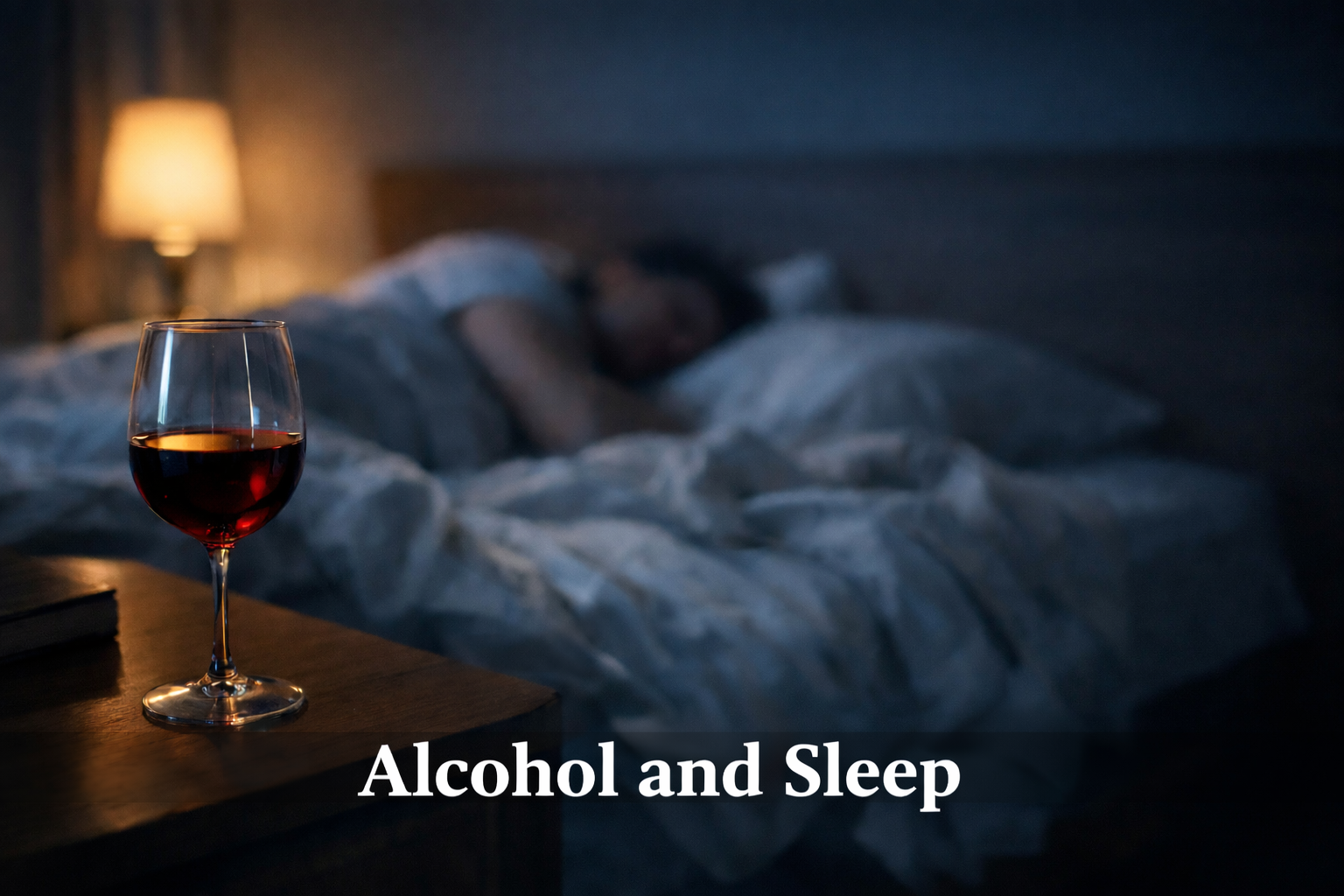
Alcohol and Sleep Apnea: What Every Patient Needs to Know
Alcohol and sleep apnea are more closely connected than most patients expect, according to Dr. Avinesh Bhar, Board-Certified Sleep Physician at SLIIIP.com, and many people with undiagnosed sleep apnea are making it significantly worse every evening without realizing it.
A drink before bed feels harmless. For most people it feels helpful. But for anyone with sleep apnea or at risk for it, alcohol before bed is one of the most reliably harmful things you can do to your airway during sleep.
Dr. Avinesh Bhar and the team at SLIIIP.com see this combination regularly. Patients struggling with persistent fatigue, loud snoring, and morning headaches often have two things in common: undiagnosed or undertreated sleep apnea, and a nightly drink.
SLIIIP’s board-certified sleep physicians can do sleep evaluations for sleep apnea. Virtual consultations in all 50 states. Home sleep tests shipped to your door.
SLIIIP’s board-certified sleep physicians can do sleep evaluations for sleep apnea. Virtual consultations in all 50 states. Home sleep tests shipped to your door.

Why Alcohol and Sleep Apnea Are a Dangerous Combination
Sleep apnea occurs when the muscles of the upper airway relax too much during sleep. The throat narrows or closes completely. Breathing stops. The brain forces a brief arousal to restore airflow. This can happen dozens or hundreds of times per night.
Alcohol is a muscle relaxant. When you drink before bed, it directly relaxes the same muscles that are already at risk of collapsing in sleep apnea. The airway becomes more likely to narrow. Apnea events become more frequent and more severe.
This is not a minor effect. Research has shown that even a moderate amount of alcohol before bed can significantly increase the apnea hypopnea index (AHI) in people with existing sleep apnea. In practical terms, a person whose AHI is usually in the mild range may move into the moderate or severe range on nights they drink.
For people who do not yet have a sleep apnea diagnosis, alcohol can trigger apnea events that would not otherwise occur. This is one of the reasons alcohol and sleep apnea are so often linked in clinical presentations: alcohol is effectively unmasking a condition that was already developing.
CHECK YOUR SLEEP SYMPTOMS: TAKE THE 2 MINUTE QUIZ
TAKE THE QUIZ
How Alcohol Makes Sleep Apnea Worse: The Mechanism
To understand why alcohol worsens sleep apnea, it helps to understand what keeps the airway open during sleep.
During wakefulness, the muscles of the throat and tongue maintain tone and keep the airway open. During sleep, this muscle tone naturally decreases. In people with sleep apnea, the anatomy or muscle function is already borderline. The decrease in muscle tone during sleep is enough to cause the airway to collapse.
Alcohol accelerates and deepens this muscle relaxation. It also suppresses the brain’s arousal response, meaning it takes longer for the brain to register that breathing has stopped and trigger the awakening that restores airflow. Apnea events last longer. Oxygen levels drop lower. The cardiovascular and neurological stress of each event is greater.
There is also a timing element. Alcohol is metabolized over the first few hours of sleep. The muscle relaxant effect is strongest in the first half of the night, when the body’s alcohol level is highest. This is also when most people are in their deepest sleep. The combination of deep sleep, reduced arousal response, and maximum muscle relaxation makes the first half of the night after drinking particularly dangerous for people with sleep apnea.
For more on how sleep apnea events work, see What Is Sleep Apnea.
Watch: Dr. Avinesh Bhar speaks on a wide range of sleep issues with international healthcare professionals
Alcohol and Sleep Apnea in People Who Are Not Yet Diagnosed
A significant portion of people with sleep apnea have never been diagnosed. They may snore, wake up feeling unrefreshed, struggle with daytime fatigue, and assume that is just how they sleep.
For these individuals, alcohol before bed is making an already serious problem dramatically worse. Each night of drinking is adding apnea events on top of an already fragmented sleep pattern, deepening the oxygen drops, increasing the cardiovascular stress, and worsening the daytime consequences.
There is also a diagnostic complication. If a person drinks regularly and their symptoms are always present, they may not recognize that the symptoms are related to a sleep disorder at all. They may attribute the fatigue to age, stress, or lifestyle. The alcohol is masking the signal that something is wrong, while simultaneously making it worse.
Anyone who regularly drinks in the evening and experiences loud snoring, morning headaches, dry mouth upon waking, excessive daytime sleepiness, or feedback from a partner about breathing pauses should be evaluated for sleep apnea. See Signs of Sleep Apnea for a full symptom overview.
What Alcohol Does to Sleep Quality Beyond Sleep Apnea
Even in people without sleep apnea, alcohol significantly disrupts sleep. This context matters because it helps explain why the alcohol and sleep apnea combination is so damaging.
REM sleep suppression. Alcohol suppresses REM sleep, particularly in the second half of the night. REM is when the brain processes emotions, consolidates memory, and restores the prefrontal cortex. When alcohol cuts into REM sleep, the next day brings brain fog, irritability, and poor concentration.
The rebound effect. As the body metabolizes alcohol over the first few hours of sleep, the sedative effect wears off. The brain becomes more active in compensation. Sleep becomes lighter and more fragmented in the second half of the night, precisely when the body should be getting its most restorative rest.
Increased nighttime waking. The rebound effect causes more frequent awakenings, often between 2 and 4 AM. Many people who drink regularly experience this and assume it is unrelated to alcohol, when it is in fact a direct consequence of its metabolism.
Dehydration. Alcohol is a diuretic. Dehydration during sleep contributes to dry mouth, morning headaches, and the feeling of being unrefreshed upon waking, symptoms that overlap significantly with untreated sleep apnea.
Alcohol and CPAP Therapy: What Patients Need to Know
For patients already using CPAP therapy for sleep apnea, alcohol introduces a specific clinical problem.
CPAP machines are calibrated to a prescribed pressure setting based on a sleep study conducted under normal conditions. That pressure is designed to keep the airway open at the degree of muscle relaxation typical during natural sleep.
When alcohol is added, the muscle relaxation is greater than what the CPAP pressure was designed to handle. The pressure that was adequate on a normal night may no longer be sufficient to prevent airway collapse on a night when alcohol has been consumed. The result is breakthrough apnea events despite active CPAP use.
This is clinically important because patients may believe they are protected by their CPAP therapy and not realize that alcohol is undermining it. If you are a CPAP user and notice that your therapy data shows higher AHI or more apnea events on certain nights, alcohol consumption is one of the first variables to examine.
The clinical recommendation for CPAP users is to avoid alcohol within three to four hours of bedtime. This is not just a lifestyle suggestion. It is a direct measure to preserve therapy effectiveness.
For more on understanding CPAP data, see What Is a Good AHI Score on CPAP.
Signs That Alcohol Is Worsening Your Sleep Apnea
The following signs suggest the alcohol and sleep apnea connection may be active in your case:
- Snoring is louder or more frequent on nights you have been drinking
- A partner reports more breathing pauses on nights alcohol was consumed
- You wake up more often in the second half of the night after drinking
- Morning headaches are worse after nights you drank
- Your CPAP data shows higher AHI on nights following alcohol consumption
- Daytime fatigue is noticeably worse the day after drinking, beyond what tiredness alone would explain
- You feel more exhausted even after a full night of CPAP use combined with alcohol
Any of these patterns is worth noting and discussing with your sleep physician. They indicate that alcohol is actively interfering with the management of your sleep apnea, whether or not you are currently on treatment.
How Much Alcohol Is Too Much Before Bed?
There is no safe amount of alcohol before bed for someone with sleep apnea. Even one drink has a measurable effect on airway muscle tone and apnea event frequency.
That said, the clinical guidance on timing provides some practical direction. Allowing at least three to four hours between your last drink and bedtime gives the body time to metabolize most of the alcohol. The muscle relaxant effect diminishes as blood alcohol concentration drops.
A standard drink takes approximately one hour to metabolize in most adults. Two drinks consumed two hours before bed still leaves meaningful alcohol in the bloodstream at sleep onset. For people with moderate to severe sleep apnea, even this level of residual alcohol can produce clinically significant worsening.
For people with sleep apnea who are struggling to get their condition under control, eliminating alcohol before bed entirely is one of the most impactful behavioral changes available. It does not require a prescription. It costs nothing. And its effect on apnea severity can be immediate.
Getting Evaluated: When Alcohol Reveals a Sleep Apnea Problem
For some patients, a conversation about alcohol and sleep is what finally leads to a sleep apnea diagnosis.
They come in reporting that their sleep has gotten worse since they started drinking more. Or they notice that a partner has started complaining about snoring, and it correlates with evenings they drink. Or they simply cannot understand why they feel so terrible in the morning despite what feels like a full night of sleep.
In many of these cases, the alcohol did not cause the sleep apnea. It revealed it. The underlying condition was already there, and the alcohol lowered the threshold enough that the symptoms became undeniable.
A home sleep test is the most direct way to find out whether sleep apnea is present. It is done in your own bed in a single night, and the results are reviewed by a board certified sleep physician.
Dr. Avinesh Bhar and the SLIIIP.com clinical team provide home sleep testing and telemedicine consultations nationwide. If you are concerned about the alcohol and sleep apnea connection in your own case, a home sleep test is the clearest first step.
See Sleep Apnea Test at Home to learn how the process works.
At Sliiip, we accept the following insurances:

SLIIIP’s board-certified sleep physicians can do sleep evaluations for sleep apnea. Virtual consultations in all 50 states. Home sleep tests shipped to your door.
Frequently Asked Questions About Alcohol and Sleep Apnea
Does alcohol make sleep apnea worse?
Yes. Alcohol relaxes the muscles of the upper airway, which increases the likelihood and severity of airway collapse during sleep. Even moderate alcohol consumption before bed can significantly increase the number and duration of apnea events.
Can alcohol cause sleep apnea in someone who does not have it?
Alcohol can trigger apnea events in people who are borderline or at risk but have not yet received a formal diagnosis. It effectively lowers the threshold for airway collapse. In this way, alcohol and sleep apnea are connected even before a diagnosis exists.
How does alcohol relax the airway during sleep?
Alcohol is a central nervous system depressant and muscle relaxant. It reduces the tone of the muscles in the throat and tongue that normally help keep the airway open during sleep. With less muscle support, the airway is more likely to narrow or collapse when breathing relaxes.
Is one drink before bed okay if I have sleep apnea?
Even one drink before bed has a measurable effect on airway muscle tone and apnea event frequency. There is no truly safe amount of alcohol before bed for someone with sleep apnea. Eliminating alcohol within three to four hours of bedtime is the most effective behavioral step available.
Can alcohol mask undiagnosed sleep apnea?
Yes. Regular alcohol use produces symptoms that overlap significantly with sleep apnea, including morning fatigue, headaches, and unrefreshing sleep. This overlap can make it harder to identify that a sleep disorder is present. At the same time, alcohol worsens the underlying condition.
Does alcohol affect CPAP therapy?
Yes. CPAP pressure is calibrated for normal sleep conditions. Alcohol causes greater airway muscle relaxation than CPAP pressure is typically set to handle. This can result in breakthrough apnea events on nights alcohol is consumed, even with active CPAP use.
How long before bed should someone with sleep apnea stop drinking?
The clinical recommendation is at least three to four hours before bedtime. This allows the body to metabolize most of the alcohol before sleep begins. For people with moderate to severe sleep apnea, avoiding alcohol entirely on evenings before sleep is important is the safest approach.
Will my CPAP data show the effect of alcohol?
Yes. CPAP machines record AHI and therapy data each night. If your AHI is consistently higher on certain nights, alcohol consumption is one of the first variables to review. Many patients identify the alcohol and sleep apnea connection through their own CPAP data.
Can stopping alcohol improve sleep apnea?
Stopping alcohol before bed will not cure sleep apnea, but it can significantly reduce the severity of apnea events. For people with mild sleep apnea, eliminating alcohol before bed is sometimes enough to bring AHI into a manageable range. For moderate to severe cases, treatment is still required.
Does alcohol affect how long apnea events last?
Yes. Alcohol suppresses the brain’s arousal response, meaning it takes longer for the brain to register that breathing has stopped and trigger the recovery response. Apnea events can last longer and oxygen levels can drop lower on nights alcohol is consumed.
Does alcohol cause more snoring in people with sleep apnea?
Yes. Alcohol relaxes the muscles of the throat and tongue, increasing the vibration of soft tissue during breathing. People with sleep apnea who drink before bed consistently snore more loudly and more frequently than on nights they do not drink.
What is the relationship between alcohol, obesity, and sleep apnea?
Obesity is a major risk factor for sleep apnea because excess tissue around the neck and throat narrows the airway. Alcohol compounds this by further relaxing the muscles that support the already narrowed airway. The combination of obesity and regular alcohol use before bed creates significant risk for severe sleep apnea.
Should I mention my alcohol use to my sleep physician?
Yes, always. Alcohol consumption frequency and timing is clinically relevant information for any sleep medicine evaluation. It affects both the interpretation of your sleep study results and the approach to treatment. Being open about alcohol use helps your physician give you the most accurate assessment.
Can alcohol consumption cause positional sleep apnea to become non positional?
Yes. In people with positional sleep apnea, breathing is much worse when lying on the back. Alcohol can worsen airway collapse to the point where apnea events become significant in all positions, effectively converting a positional pattern into a more generalized one on nights when alcohol is consumed.
Is there a connection between alcohol use and central sleep apnea?
Alcohol primarily worsens obstructive sleep apnea by relaxing upper airway muscles. Its relationship to central sleep apnea, which is caused by the brain failing to send breathing signals rather than airway obstruction, is less direct. However, alcohol’s suppression of the central nervous system can affect breathing rhythm, particularly at high doses.
Does alcohol affect children with sleep apnea?
Pediatric sleep apnea is typically caused by enlarged tonsils and adenoids rather than muscle relaxation. Alcohol is not a relevant factor in childhood sleep apnea. However, for adolescents, alcohol use can begin to introduce the same risks seen in adults.
Can I drink alcohol if I use an oral appliance for sleep apnea?
Oral appliances work by repositioning the jaw to keep the airway open. Alcohol reduces the muscle tone that the appliance relies on to be effective. While the appliance still provides some benefit, its effectiveness is reduced on nights alcohol is consumed. The same three to four hour cutoff recommendation applies.
Does alcohol interact with sleep apnea medications?
Some medications used in sleep medicine, including certain sedatives, muscle relaxants, and medications for restless legs syndrome, interact with alcohol in ways that can further worsen airway muscle tone or respiratory drive. Always discuss alcohol use with the physician prescribing any sleep related medication.
How do I know if my sleep apnea is being made worse by alcohol?
Track your CPAP data or sleep symptoms on nights you drink versus nights you do not. If AHI is consistently higher, snoring is louder, or morning symptoms are worse after drinking, the alcohol and sleep apnea connection is likely active in your case. A conversation with your sleep physician is the next step.
Where do I start if I think alcohol is worsening my sleep apnea?
Start by eliminating alcohol within four hours of bedtime and monitoring whether your symptoms improve. If you have not yet been evaluated for sleep apnea, a home sleep test is the most accessible first step. SLIIIP.com provides home sleep testing and board certified physician review through a fully online process, with virtual consultations available nationwide.
Thank you for reading this article.
SLIIIP’s board-certified sleep physicians can do sleep evaluations for sleep apnea. Virtual consultations in all 50 states. Home sleep tests shipped to your door.
Latest posts
-
RingConn vs Oura: Which Smart Ring Tracks Sleep Better?
Last updated: September 10, 2026. Medically reviewed by Dr. Avinesh Bhar, Board-Certified Sleep Physician, SLIIIP.com. RingConn and Oura both track sleep through a finger-worn ring, but they differ most in…
-
Withings ScanWatch Sleep Tracking Accuracy: What It Can and Cannot Tell You
Last updated: September 10, 2026. Medically reviewed by Dr. Avinesh Bhar, Board-Certified Sleep Physician, SLIIIP.com. Withings ScanWatch is a hybrid analog watch that tracks sleep stages and can flag nighttime…
Get updates
Spam-free subscription, we guarantee. This is just a friendly ping when new content is out.

