👉 Register for Free. How to Diagnose Sleep Apnea Faster in Primary Care – FREE Webinar by Dr. Audrey Wells. – Friday, April 24 at 12 PM ET

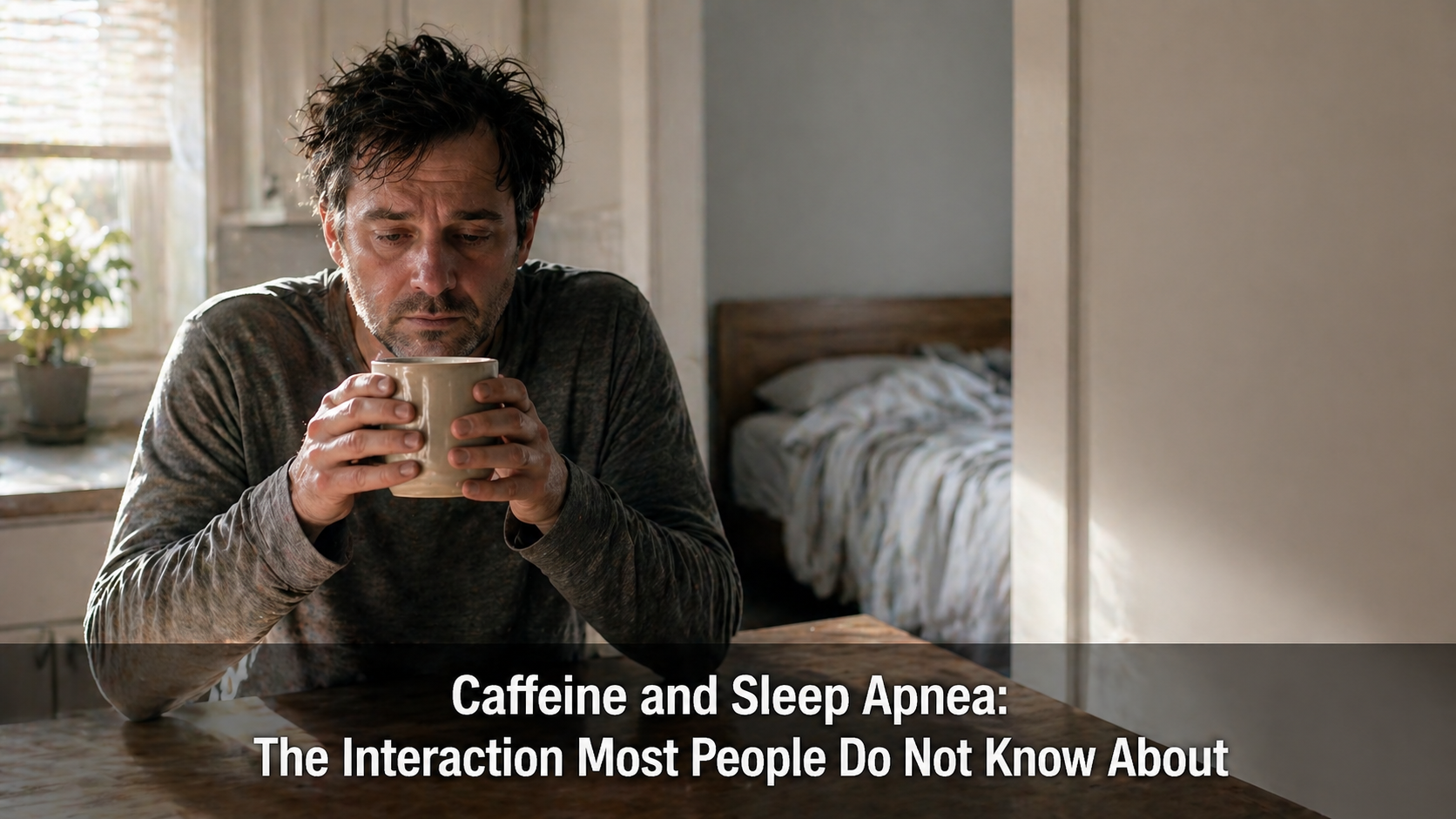
Caffeine and Sleep Apnea: The Interaction Most People Do Not Know About
Caffeine and sleep apnea are deeply connected, according to Dr. Avinesh Bhar, Board-Certified Sleep Physician at SLIIIP.com, many individuals experience symptoms without clear awareness. Many people who feel exhausted every day reach for more coffee to push through, never realizing that the same fatigue may be a warning sign of a hidden breathing problem at night. The connection between the cup in the morning and the snore at night is closer than most people think. SLIIIP.com offers virtual consultations in all 50 states with nationwide coverage, plus home sleep tests shipped to your door, so you can finally figure out whether caffeine is helping you cope or hiding something serious.
SLIIIP.com was built to make that answer easy to find, with virtual consultations in all 50 states, home sleep tests shipped to your door, and nationwide coverage.
SLIIIP’s board-certified sleep physicians can do sleep evaluations for sleep apnea. Virtual consultations in all 50 states. Home sleep tests shipped to your door.
What Sleep Apnea Actually Is
Sleep apnea is a condition where breathing repeatedly stops and starts during sleep. The most common form is obstructive sleep apnea, where the airway briefly collapses, blocking airflow for 10 seconds or longer at a time. These pauses can happen dozens or even hundreds of times a night, often without the sleeper ever realizing it.
Each pause drops oxygen and forces the brain to wake up just enough to restart breathing. The person rarely remembers these micro awakenings. They simply wake up exhausted. According to the National Heart, Lung, and Blood Institute, untreated sleep apnea is linked to high blood pressure, heart disease, stroke, and metabolic issues.
For more on the warning signs, see our piece on is it worth getting tested for sleep apnea.
CHECK YOUR SLEEP SYMPTOMS: TAKE THE 2 MINUTE QUIZ
TAKE THE QUIZ
Why Caffeine and Sleep Apnea Often Travel Together
People with untreated sleep apnea wake up drained no matter how long they spend in bed. The natural fix most people reach for is caffeine. A cup in the morning, another mid morning, an afternoon refill, and sometimes an evening lift just to get through dinner. The pattern feels harmless, but it sets up a cycle that hides the real problem.
Caffeine masks the daytime fatigue without touching the nighttime breathing issue. It blocks the brain’s tired signal so you can keep going. The airway still collapses at night. Oxygen still drops. The body still gets pounded by stress hormones. The cup is treating the symptom while the cause continues to harm the body.
If you regularly need coffee just to feel normal, our piece on why do I wake up tired is worth a read.

How Caffeine Hides the Symptoms of Sleep Apnea
Sleep apnea has a recognizable daytime pattern: heavy fatigue, slow thinking, low mood, and a constant need to nod off. Caffeine quietly papers over each of these.
- Heavy morning grogginess turns into “just need my coffee.”
- Mid afternoon crashes turn into a second cup or an energy drink.
- Slow thinking gets pushed back by stimulants instead of solved.
- Falling asleep in meetings gets blamed on a boring schedule, not breathing.
- Low mood gets blamed on stress instead of disrupted nights.
This is why many people live with sleep apnea for years before getting evaluated. They feel like the problem is just a busy life or aging, when their nights are actually full of breathing pauses that no amount of coffee can fix.
For more on hidden fatigue, see Why am I so tired all the time but not anemic.
How Caffeine Affects Sleep Quality On Top of Apnea
Even people without sleep apnea see lower sleep quality with caffeine. For people who already have apnea, the effects can stack:
- Less deep sleep. Caffeine shortens slow wave sleep, which also fragments.
- More awakenings. Caffeine raises baseline arousal, on top of apnea’s micro awakenings.
- Lighter overall sleep. The brain stays closer to the surface and easier to disturb.
- Higher heart rate at night. Caffeine stimulates the heart, while apnea spikes it during oxygen drops.
- More anxiety and racing thoughts. Both caffeine and apnea raise stress hormones.
The result is a night that fails on two fronts at once. You lose deep sleep from the apnea and lose more from the caffeine, even when bedtime feels normal.
For more on this stage of sleep, read How do I get more deep sleep.
Caffeine and Blood Pressure in People With Sleep Apnea
Sleep apnea already raises blood pressure by repeatedly forcing the body into a stress response at night. Caffeine adds another short term blood pressure spike on top of that pattern. For some people, this combination matters.
If you have apnea and drink several cups of coffee a day, talk to your clinician about blood pressure monitoring. Many people see clear improvements in blood pressure once their apnea is treated and their caffeine load is dialed in.
If you wake up with a pounding heart, our guide on why do I wake up with my heart racing explores common patterns.
Why Caffeine Does Not Treat Sleep Apnea
This is one of the most common misunderstandings. Caffeine fights sleepiness, not the cause of sleepiness. It does nothing to keep the airway open at night. It does not strengthen the throat muscles. It does not change the position you sleep in. It does not lower the number of breathing pauses.
What it does do is push back the daytime fatigue, which can be dangerous. People with untreated sleep apnea are at higher risk for car accidents and on the job mistakes. Coffee can mask just enough tiredness to make a person feel safe to drive or operate machinery when their reaction time is actually impaired.
If you find yourself fighting drowsiness at the wheel, that is a sign worth taking seriously, not a sign for another energy drink.
Watch: Why Am I Always Tired?
Caffeine and Central Sleep Apnea
There are two main forms of sleep apnea. Obstructive sleep apnea is a physical airway problem. Central sleep apnea is different. In central sleep apnea, the brain temporarily fails to send the signal to breathe. It is less common but very serious.
Caffeine is a central nervous system stimulant. Some research has explored low dose caffeine as a treatment in newborns with breathing issues, but this is a specialized clinical use. For most adults, caffeine does not fix central sleep apnea, and high doses can disrupt the rest of the night even more.
If your bed partner has noticed long pauses in your breathing followed by a sharp restart, that is something a sleep specialist should evaluate.
Signs You Should Get Evaluated for Sleep Apnea
The challenge with sleep apnea is that the most common signs happen while you are asleep. Many people only realize there is a problem when a partner brings it up. Here are the patterns most worth taking seriously:
- Loud, regular snoring
- Pauses in breathing observed by someone else
- Gasping, choking, or snorting awake
- Waking up with headaches or a dry mouth
- Frequent night urination
- Heavy daytime fatigue, even after 7 to 9 hours in bed
- Falling asleep during meetings, while reading, or in traffic
- Mood swings, irritability, or new anxiety
- Trouble focusing or remembering things
- Drinking more caffeine each year just to keep up
Two or three of these add up to a strong reason to get tested. Our guide on signs you have sleep apnea walks through the full picture.
Why Caffeine Use Increases When Sleep Apnea Is Untreated
Many people with untreated apnea quietly raise their caffeine intake year after year. What started as one cup at 22 becomes three cups by 35 and four or five cups plus an energy drink by 45. The pattern usually feels gradual and reasonable.
The body is adapting to chronic poor sleep. Each year, the apnea may worsen slightly with weight gain, hormonal changes, or aging tissues. The brain keeps demanding more stimulants to feel alert. The coffee makes sleep even lighter. The apnea keeps doing its work in the background.
Dr. Avinesh Bhar emphasizes that climbing caffeine intake is not a willpower issue. It is often a sign that the body is fighting a sleep problem that has never been named.
What Happens to Caffeine Use After Sleep Apnea Treatment
When sleep apnea is properly evaluated and treated, most people find that their relationship with caffeine shifts on its own. Common changes include:
- Needing fewer cups in the morning
- Skipping the afternoon coffee without feeling drained
- Tolerating less caffeine before feeling jittery
- Sleeping deeper even with similar bedtimes
- Feeling clear headed without a constant boost
The shift is usually quick. Within a few weeks of effective treatment, many people drop their caffeine intake by half without trying. That alone improves sleep, blood pressure, and anxiety in a positive feedback loop.
For more on building healthier daily habits, see our best morning routine guide.
Smart Caffeine Habits While Waiting for an Evaluation
If you suspect sleep apnea but have not been tested yet, a few caffeine adjustments can lower the load on your body in the meantime.
- Hold the line at one or two cups. Avoid the slow climb to four or more.
- End caffeine by early afternoon. A 1 p.m. cutoff gives most people a meaningful buffer.
- Avoid caffeine at the wheel. It can mask the kind of drowsiness that signals real risk.
- Cut energy drinks at night. They can stack stimulants with sleep already compromised by apnea.
- Track real intake. Coffee, tea, soda, supplements, dark chocolate, and pain relievers all count.
- Hydrate well. Water helps with caffeine related jitters and headaches.
For people with strong caffeine sensitivity, our piece on why I feel anxious at night explains the wider stress link.
When to Talk to a Sleep Specialist
If you check several of the warning signs, or you cannot get through a day without multiple cups of coffee, it is time for a real evaluation. Sleep apnea is one of the most common, most under diagnosed conditions in adults, and it is also one of the most treatable.
SLIIIP.com makes the process simple through virtual consultations in all 50 states, board-certified sleep physicians, and home sleep tests shipped to your door. There are no waiting rooms and no long drives.
At Sliiip, we accept the following insurances:

SLIIIP’s board-certified sleep physicians can do sleep evaluations for sleep apnea. Virtual consultations in all 50 states. Home sleep tests shipped to your door.
Frequently Asked Questions
- Does caffeine cause sleep apnea?
No. Caffeine does not cause sleep apnea. The condition is driven by airway anatomy, weight, age, and other factors, not by coffee.
- Can caffeine make sleep apnea worse?
It can worsen the sleep quality of someone with apnea by adding more arousals, less deep sleep, and a higher heart rate at night.
- Why do I crave more coffee since I started snoring?
Loud snoring often comes with disturbed nights. The body reaches for more caffeine to push through fatigue that may be tied to a breathing issue.
- Can drinking coffee replace treatment for sleep apnea?
No. Caffeine fights the symptom of sleepiness but does nothing to keep the airway open at night.
- Does caffeine raise blood pressure in people with sleep apnea?
Both caffeine and untreated apnea can raise blood pressure. The combination matters for some people. A clinician can help you weigh the risk.
- Will treating sleep apnea reduce my coffee intake?
Many people naturally cut back on caffeine within weeks of effective sleep apnea treatment because they finally feel rested.
- Is it safe to use caffeine to stay awake while driving with sleep apnea?
It is risky. Caffeine can mask drowsiness without fixing reaction time issues caused by poor sleep.
- Does caffeine affect oxygen levels at night?
Caffeine itself does not directly drop oxygen, but the lighter, more disrupted sleep it can cause may increase the impact of any breathing pauses.
- Can sleep apnea be present without snoring?
Yes, especially in some women and thin adults. Daytime fatigue and morning headaches can be the main signs. See signs you have sleep apnea.
- Why do I wake up with a dry mouth and a headache?
These are common signs of sleep apnea, especially when paired with snoring or fatigue. They are worth bringing up with a sleep specialist.
- Is decaf better for people with sleep apnea?
Decaf has 2 to 15 mg of caffeine per cup and a much smaller effect on sleep. Many people with apnea tolerate it well, especially in the afternoon.
- Do energy drinks make apnea symptoms worse?
The high caffeine and added stimulants can lower sleep quality and raise heart rate. They are not a good fit for people with apnea.
- Can children have sleep apnea?
Yes. Pediatric sleep apnea is real and often linked to enlarged tonsils and adenoids. A pediatric sleep specialist can guide testing and treatment.
- Does losing weight help with sleep apnea and caffeine cravings?
Weight loss can reduce apnea severity for many people, which often lowers fatigue and the need for high doses of caffeine.
- Why am I tired even after my CPAP says I slept fine?
Adjusting to therapy can take weeks. Caffeine timing, mask fit, and pressure settings all matter. See why am I waking up tired even after 8 hours.
- Will quitting caffeine cure my apnea?
No. Quitting caffeine can improve sleep quality, but it does not fix the airway issue at the heart of apnea.
- How does a home sleep test work?
A small device measures breathing, oxygen, and heart rate while you sleep in your own bed. The data goes to a sleep physician for review and a treatment plan.
- Can naps help if I have suspected apnea?
A short, early nap may ease daytime fatigue, but it cannot replace the deep sleep lost to apnea. Our benefits of napping guide covers smart timing.
- Should I cut caffeine before my sleep test?
Most clinics give specific instructions. Many ask you to keep your usual habits the day before so the test reflects your real life nights.
- When should I see a sleep doctor about caffeine and sleep apnea?
If you cannot function without multiple cups of caffeine, snore loudly, wake up tired every day, or notice signs of a sleep disorder, a board-certified sleep physician can help you find the cause.
Stop Coping With Coffee. Start Solving Sleep.
Caffeine and sleep apnea form a quiet partnership that keeps many people stuck for years. The cup gets you through the day. The breathing pauses keep stealing the night. Neither side ever fully wins. When you address the sleep apnea itself, the body finally gets the rest it has been asking for, and the daily cup goes back to being a small pleasure instead of a survival tool.
If you suspect sleep apnea, do not wait for it to get worse. SLIIIP.com offers virtual consultations in all 50 states, home sleep tests shipped to your door, and nationwide coverage with board-certified sleep physicians.
SLIIIP’s board-certified sleep physicians can do sleep evaluations for sleep apnea. Virtual consultations in all 50 states. Home sleep tests shipped to your door.
Thank you for reading this article.
Latest posts
-
Why Are My Naps Never Refreshing?
Last updated: October 2, 2026. Medically reviewed by Dr. Avinesh Bhar, Board-Certified Sleep Physician, SLIIIP.com. Naps that leave you groggy usually come down to how long you sleep, when you…
-
Is Sleeping Too Much a Sleep Disorder?
Last updated: October 2, 2026. Medically reviewed by Dr. Avinesh Bhar, Board-Certified Sleep Physician, SLIIIP.com. Sleeping too much is not always a sleep disorder, but it can be a sign…
-
Why Does My Insomnia Get Worse After Stopping Sleep Medication?
Last updated: October 2, 2026. Medically reviewed by Dr. Avinesh Bhar, Board-Certified Sleep Physician, SLIIIP.com. Insomnia can get worse after stopping sleep medication for three main reasons. They are rebound…
Get updates
Spam-free subscription, we guarantee. This is just a friendly ping when new content is out.

