👉 Register for Free. How to Diagnose Sleep Apnea Faster in Primary Care – FREE Webinar by Dr. Audrey Wells. – Friday, April 24 at 12 PM ET

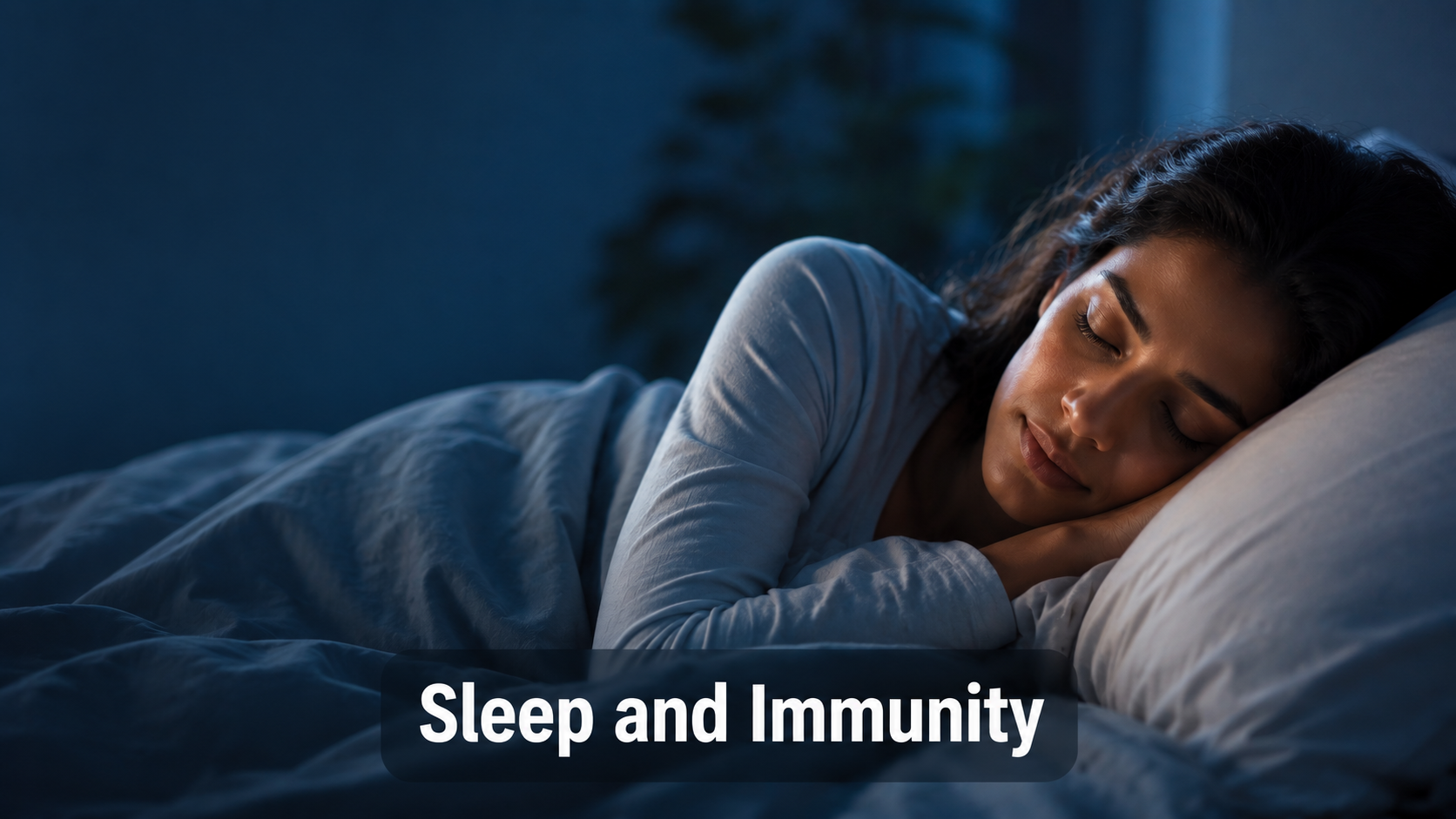
Sleep and Immunity: How Rest Supports Your Defenses
Sleep and immunity work as quiet partners, and Dr. Avinesh Bhar, Board-Certified Sleep Physician at SLIIIP.com, often reminds people that the hours they spend resting are when the body does much of its repair and defense work. A single short night will not leave you defenseless, but a steady pattern of poor sleep may make it harder for the body to protect itself. Rest is not downtime for your immune system, it is prime working time. This article is for general education and does not diagnose, treat, prevent, or cure any illness. It explains what research associates with sleep and immune health, and it points you toward your own doctor for any medical concern. Below we look at how the two connect, what happens when sleep is cut short, and simple habits that support restful nights.
SLIIIP’s board-certified sleep physicians can do sleep evaluations for sleep apnea. Virtual consultations in all 50 states. Home sleep tests shipped to your door.

How Sleep and Immunity Are Connected
Sleep and immunity are linked through the body’s overnight repair work. While you rest, your body carries out maintenance that supports many systems, including the network of cells that defends against illness. Research has associated regular, restful sleep with steadier immune function.
The connection is not one directional. Poor sleep can strain the immune system, and being unwell can in turn disrupt sleep. This back and forth is part of why rest feels so important when you are run down. Our overview of the importance of sleep sets the broader stage.
None of this means sleep is a shield against every illness. It means rest is one of several habits that help the body do its job well. Framing it that way keeps the picture honest and useful.
CHECK YOUR SLEEP SYMPTOMS: TAKE THE 2 MINUTE QUIZ
TAKE THE QUIZ
What Happens to Your Defenses When You Miss Sleep
When sleep runs short night after night, studies have observed changes in how the immune system behaves. Researchers have linked ongoing sleep loss with higher levels of inflammation markers and shifts in immune cell activity. These are associations reported in research, not certainties for any single person.
Short sleep has also been associated in studies with a greater chance of catching common infections after exposure. This does not mean one late night will make you sick, only that a lasting pattern may tilt the odds. The body simply has less time for its overnight upkeep. Over weeks and months, that shortfall can add up in ways that are easy to miss night to night but noticeable in how resilient and energetic you feel overall.
Feeling more run down when you are sleep deprived is a familiar experience for many people. If tiredness is a regular theme for you, our article on why you wake up tired may help you spot patterns worth changing. Rest remains one of the most accessible ways to support how you feel day to day.
The Science of Rest and Immune Function
During deep sleep, the body releases certain signaling proteins and carries out processes tied to immune health. This is one reason deep, uninterrupted sleep is often described as the most restorative stage. When sleep is fragmented, the body gets fewer of these valuable stretches. Waking repeatedly through the night, even briefly, can break up these deep phases before they finish their work, which is one reason quality can matter as much as the raw number of hours you spend in bed.
Some of the immune activity that research connects to sleep happens on a daily rhythm. The body clock helps time these processes, which is part of why a steady schedule supports the work. A scattered sleep pattern can blur that timing.
If deep sleep is a goal for you, our guide on how to get more deep sleep offers practical steps. Keep in mind that no single night undoes or guarantees good immune health. It is the overall pattern that research points to, built one steady night at a time.
Sleep, Recovery, and Everyday Wellness
Rest also plays a role in how the body recovers. After physical effort or a stressful stretch, sleep is when much of the repair happens. Giving the body enough time to rest supports recovery in a way that shortcuts cannot replace.
Research has explored links between sleep and how the body responds to vaccines, with some studies suggesting better rest around the time of a vaccine may support the response. This is an area of active study, and your own doctor is the best source for guidance on vaccines and timing. This article does not offer medical advice on that topic.
The broader takeaway is simple. Steady, quality sleep is a supportive habit for everyday wellness, alongside good nutrition, movement, and stress care. Our page on the reasons for improving sleep quality explores why the effort pays off across your health.
Habits That Support Restful, Steady Sleep
Supporting sleep and immunity starts with the basics done consistently. Keeping a regular sleep and wake time gives your body a rhythm it can rely on, which supports both rest and its natural daily processes. Consistency is often more powerful than any single trick.
Build a calm wind down that you can repeat each night. Dim the lights, step away from bright screens, and give your mind time to settle before bed. Our ultimate sleep routine guide lays out how these pieces fit together into a routine that sticks.
Daylight in the morning, movement during the day, and a cool, dark, quiet bedroom all help too. According to the Centers for Disease Control and Prevention, a consistent schedule and healthy sleep habits are core foundations of good rest. Small, steady changes tend to outperform big, short lived ones.
Watch: 8 Tricks to Core Sleep – Sliiip.com
When Poor Sleep Points to Something More
Good habits help many people, yet some still wake tired despite their best efforts. When restful sleep stays out of reach, or you snore loudly and wake gasping, an underlying condition may be part of the picture. Habits alone may not resolve that.
Conditions like obstructive sleep apnea fragment sleep from the inside, which can rob you of the deep stretches that support recovery. As Dr. Avinesh Bhar notes, lasting tiredness that does not respond to good habits deserves a real evaluation rather than guesswork. This is not something a tracker can diagnose on its own.
The National Heart, Lung, and Blood Institute points out that ongoing sleep problems are worth a professional look. A sleep evaluation is one part of a broader view of your health, and any concern beyond sleep belongs with your own physician.
At Sliiip, we accept the following insurances:
SLIIIP’s board-certified sleep physicians can do sleep evaluations for sleep apnea. Virtual consultations in all 50 states. Home sleep tests shipped to your door.
Frequently Asked Questions
How are sleep and immunity connected?
Sleep is when the body does much of its repair, including work that supports immune health. Research associates regular, restful sleep with steadier immune function.
Does poor sleep weaken the immune system?
Studies have linked ongoing sleep loss with changes in immune activity and higher inflammation markers. These are associations, not certainties, so your doctor is the best source for your situation.
Can one bad night hurt my immune health?
A single short night is unlikely to have a lasting effect. It is a repeated pattern of poor sleep that research connects to immune changes.
How much sleep supports immune health?
Most adults do well with steady, sufficient sleep each night. Quality and consistency matter as much as the total hours.
Does deep sleep matter for immunity?
Deep sleep is when much restorative work happens, so it is often seen as valuable. Fragmented sleep offers fewer of these stretches.
Will more sleep prevent me from getting sick?
Sleep supports the body but does not guarantee protection from illness. It is one healthy habit among several, not a shield.
Does sleep affect how I recover from being sick?
Rest is when much of the body’s repair happens, which supports recovery. Your doctor can guide care when you are unwell.
Can sleep affect how vaccines work?
Some research suggests good rest around a vaccine may support the response. Your own doctor is the best source for vaccine guidance.
Why do I feel run down when I am sleep deprived?
Short sleep leaves less time for overnight upkeep, which can leave you feeling depleted. Better rest often helps you feel more like yourself.
Is napping good for immune support?
A short nap can help ease sleep debt for some people. It works best as a supplement, not a replacement for night sleep. Keeping naps short and earlier in the day helps you avoid disrupting the coming night.
Does a consistent schedule help immunity?
A steady schedule supports the body’s daily rhythms, including immune processes. Consistency is a simple, powerful habit.
Can stress and poor sleep affect immunity together?
Stress and sleep loss can both influence how the body functions. Managing both tends to support overall wellness.
Does sleep quality or quantity matter more for immunity?
Both matter, and they work together. Enough hours of steady, restful sleep is the goal.
Can better sleep help with inflammation?
Research links poor sleep with higher inflammation markers. Steady rest is one habit that supports a healthier balance.
Is it normal to sleep more when I am unwell?
Many people feel a stronger urge to rest when sick. Listening to that need can support recovery, with your doctor’s guidance.
Does age change how sleep affects immunity?
Sleep needs and patterns shift across life stages. Steady, quality rest supports health at any age.
Can screens before bed affect my rest and immune health?
Bright screens can delay sleep, which reduces the restful hours you get. Dimming lights before bed may help.
How long does it take to feel the benefits of better sleep?
Many people notice they feel better within one to two weeks of steadier sleep. Consistency over time is what makes it stick.
Should I see a doctor about ongoing poor sleep?
If restful sleep stays out of reach despite good habits, a professional visit makes sense. A clinician can look at the full picture.
When should I seek a sleep evaluation?
If you snore heavily, gasp for air, or stay tired despite better habits, seek an evaluation. A sleep visit can clarify what is going on.
SLIIIP’s board-certified sleep physicians can do sleep evaluations for sleep apnea. Virtual consultations in all 50 states. Home sleep tests shipped to your door.
Latest posts
-
Why Do I Feel Drunk or Confused When I Wake Up?
Last updated: October 2, 2026. Medically reviewed by Dr. Avinesh Bhar, Board-Certified Sleep Physician, SLIIIP.com. If you often feel drunk when you wake up, you may have sleep drunkenness. It…
-
Why Do I Sleep Through Multiple Alarms?
Last updated: October 2, 2026. Medically reviewed by Dr. Avinesh Bhar, Board-Certified Sleep Physician, SLIIIP.com. Most people who sleep through alarms are either deep in slow-wave sleep, short on sleep,…
-
Why Can’t I Wake Up Even After Getting Enough Sleep?
Last updated: October 2, 2026. Medically reviewed by Dr. Avinesh Bhar, Board-Certified Sleep Physician, SLIIIP.com. If you can’t wake up after enough sleep, the cause is usually not the number…
Get updates
Spam-free subscription, we guarantee. This is just a friendly ping when new content is out.

