👉 Register for Free. How to Diagnose Sleep Apnea Faster in Primary Care – FREE Webinar by Dr. Audrey Wells. – Friday, April 24 at 12 PM ET

Sleep Apnea in Women Symptoms: The Complete Clinical Picture
Sleep apnea in women symptoms are fundamentally different from the classic presentation most clinicians are trained to recognize. Women are more likely to experience fatigue, depression, cognitive decline, and insomnia-like waking than loud snoring or witnessed apneas. This difference means sleep apnea in women symptoms are misdiagnosed at a significantly higher rate, delaying care by years.
This article reflects the clinical expertise of Dr. Avinesh Bhar, Board Certified Sleep Physician at Sliiip.com, who has evaluated thousands of women whose sleep apnea went undetected for years because their symptom presentation did not match the textbook male profile.
This is the experience of millions of women with undetected sleep apnea. The symptoms are real. The condition is present. The diagnosis is missing because sleep apnea in women symptoms do not look like sleep apnea in men.
SLIIIP’s board-certified sleep physicians can do sleep evaluations for sleep apnea. Virtual consultations in all 50 states. Home sleep tests shipped to your door.
Myth vs. Reality: Sleep Apnea in Women Symptoms
Myth: Sleep apnea in women symptoms always include obvious snoring and gasping that a partner would notice.
Reality: Women with sleep apnea snore less frequently and less loudly than men. Their breathing events more commonly involve partial airflow restriction, known as hypopneas, and upper airway resistance rather than complete apneas. A sleeping partner who reports no obvious snoring or gasping does not rule out sleep apnea.
Myth: Sleep apnea is primarily a condition of overweight older men. Women are unlikely to have it.
Reality: Sleep apnea affects women across all body types and age groups. After menopause, the female prevalence increases two to three times, and younger women with PCOS, pregnancy, or anatomical predisposition are at significant risk. Gender bias in sleep medicine research has historically understated the female burden of disease.
3 Key Ways Sleep Apnea Looks Different in Women
1. REM Sleep Takes the Biggest Hit
Women are more likely to experience REM-predominant sleep apnea, meaning breathing disruptions cluster during the REM stage of sleep.
- Events tend to be shorter and less severe individually
- But they occur during the most critical stage for memory, mood, and emotional processing
- This leads to symptoms like:
- Persistent fatigue
- Mood changes (irritability, anxiety, depression)
- Brain fog and cognitive issues
- Persistent fatigue
👉 Instead of obvious daytime sleepiness, women often feel mentally and emotionally drained
2. Hormones Can Mask the Severity
Estrogen and progesterone play a protective role in sleep breathing by:
- Supporting upper airway muscle tone
- Helping regulate breathing patterns during sleep
Because of this:
- Women (especially premenopausal) may show “borderline” sleep study results
- Yet still experience significant real-world symptoms and impairment
👉 Hormonal protection can hide the true severity of sleep apnea on standard tests
3. Symptoms Often Look Like Insomnia (Not Sleepiness)
Women with sleep apnea frequently report a very different symptom pattern than men:
- Difficulty falling asleep
- Frequent nighttime awakenings
- Trouble getting back to sleep
Meanwhile, men are more likely to report:
- Falling asleep during the day
- Obvious excessive sleepiness
👉 This difference often leads to:
- Misdiagnosis as insomnia or anxiety
- Delayed or missed sleep apnea evaluation
The Complete Symptom Profile: Sleep Apnea in Women
Persistent fatigue and exhaustion that does not resolve with more sleep is the most universally reported symptom among women with sleep apnea. This exhaustion is physical, not motivational. It is present from the first moment of waking. It does not improve meaningfully with caffeine or rest during the day.
Morning headaches are a highly specific and underrecognized marker of sleep-disordered breathing. Repeated oxygen desaturations overnight cause cerebrovascular dilation that produces headaches upon waking, typically resolving within 30 to 60 minutes. If you wake with a headache regularly, it is clinically significant. Learn more about top reasons for waking up with headaches.
Cognitive fog and memory difficulties are among the most distressing and frequently reported sleep apnea in women symptoms. Women describe losing words mid-sentence, forgetting recent conversations, struggling with decision-making, and feeling mentally slow throughout the day. These symptoms are directly driven by disrupted REM sleep and are often attributed to aging or hormonal change.
Mood changes, irritability, and depressive symptoms are common and frequently misattributed. The relationship between sleep apnea and mood disruption is physiological. Fragmented REM sleep impairs the brain’s emotional regulation circuits and reduces the consolidation of positive emotional content, producing a disproportionate increase in negative affect.
Nighttime waking without apparent reason. Women with sleep apnea frequently experience brief arousals following breathing events that they do not remember in the morning. They simply know they sleep lightly, wake frequently, and rarely feel they have slept deeply.
Difficulty returning to sleep after waking is a hallmark of sleep apnea in women symptoms that leads directly to misdiagnosis as insomnia. The arousal from an apnea event triggers cortisol release and sympathetic activation. The person wakes alert and unable to settle back to sleep for 30 minutes or more. This pattern repeats multiple times per night.
Dry mouth or sore throat on waking signals mouth breathing during sleep, which commonly accompanies upper airway restriction and partial obstruction.
Frequent urination during the night, known as nocturia, is an underrecognized symptom of sleep apnea. Breathing disruptions stimulate atrial natriuretic peptide release, which promotes urinary excretion. Women with sleep apnea often attribute nighttime bathroom trips to aging or hydration habits when they are in fact driven by breathing events. Learn more at sleep apnea symptoms in women.
Hormonal Transitions That Intensify Sleep Apnea in Women Symptoms
Perimenopause and menopause dramatically increase sleep apnea prevalence and symptom severity in women. The decline in estrogen and progesterone reduces the hormonal protection on upper airway muscle tone.
Obstructive sleep apnea is the most underdiagnosed cause of waking up tired even after 8 hours. It causes the airway to partially or fully collapse during sleep, triggering oxygen drops and micro-arousals that fragment deep sleep without ever fully waking you.
What is Sleep Apnea?
Pregnancy is a period of elevated sleep apnea risk. Weight redistribution, nasal congestion from increased blood volume, and progesterone-driven changes in breathing mechanics all increase the likelihood of sleep-disordered breathing. Sleep apnea during pregnancy is associated with gestational hypertension and adverse perinatal outcomes and warrants evaluation when symptoms are present.
PCOS and insulin resistance are associated with higher sleep apnea prevalence in younger women independent of obesity. Androgen excess in PCOS may directly increase upper airway collapsibility.
The Cardiovascular Consequences of Unrecognized Symptoms
When sleep apnea in women symptoms go unrecognized, the underlying condition continues producing physiological harm. Repeated overnight oxygen drops activate sympathetic pathways that raise blood pressure and increase cardiac workload.
Research from the American Heart Association documents that women with untreated sleep apnea face significantly elevated risk of hypertension, atrial fibrillation, heart failure, and stroke. Because women receive their diagnosis later than men on average, their cumulative exposure to these cardiovascular stressors is greater.
Any woman with unexplained hypertension, particularly hypertension that is difficult to control, should be evaluated for sleep-disordered breathing regardless of snoring history.
Expert Q&A
Q: I have been told I have depression and anxiety for three years. I take medication but I still wake up exhausted every morning and feel emotionally flat. Could this be sleep apnea?
This is one of the most important clinical questions I encounter. Fatigue, emotional flatness, cognitive slowing, and persistent depression despite treatment are exactly how undetected sleep apnea presents in women. The depression is real, but it is frequently a downstream consequence of fragmented REM sleep rather than a primary psychiatric condition. When antidepressants and anxiolytics provide incomplete relief, sleep-disordered breathing is almost always part of the picture that has not yet been examined. A home sleep evaluation should be the next diagnostic step, not an adjustment of the psychiatric medication.
Dr. Avinesh Bhar Board Certified Sleep Physician Sliiip.com
Practical Steps if You Recognize These Symptoms
Keep a symptom log for two weeks. Record morning exhaustion on a simple 1 to 10 scale, note whether you woke during the night, document morning headaches, and track mood and cognitive clarity during the day. This log helps a clinician recognize the symptom pattern and prioritize a breathing evaluation.
Talk to a sleep specialist, not just a primary care provider. Primary care providers are not always trained to recognize sleep apnea in women symptoms. A board-certified sleep physician evaluates the full clinical picture through the lens of sleep medicine, including gender-specific presentations.
Request a home sleep test regardless of snoring. Absence of snoring is not a contraindication to testing.
A home sleep test is the most direct and accessible next step. Sliiip.com ships the testing device directly to your home. You wear it overnight in your own bed. A board-certified sleep physician reviews the results and can identify whether breathing disruptions are fragmenting your sleep architecture.
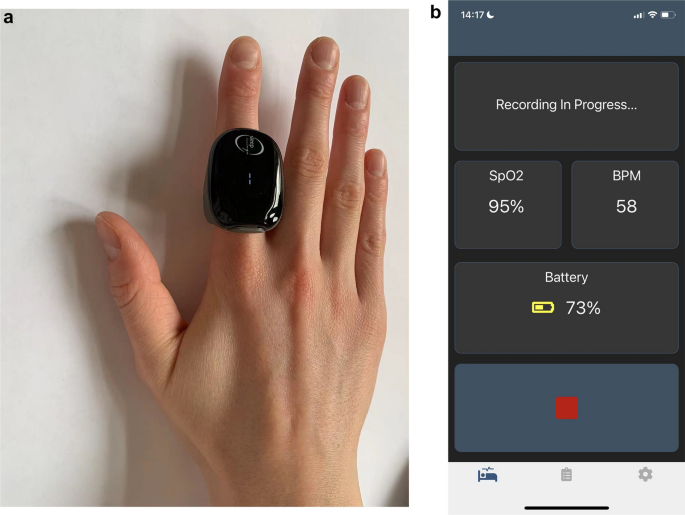
Learn more about how the home sleep test works.
You do not need a referral. You do not need to fit a snoring stereotype. You need an honest look at what is happening during those eight hours.
Our home sleep tests are covered by Medicare, Tricare and these insurances listed below.

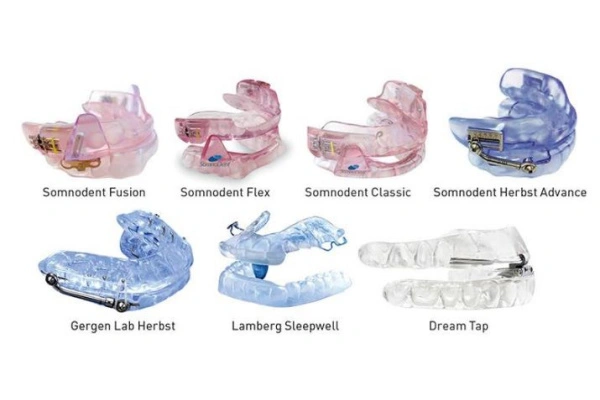
Consider oral appliance therapy as a treatment option. Women with mild to moderate sleep apnea frequently find oral appliance therapy more manageable than CPAP.
Your Symptoms Have an Explanation. You Deserve to Know It.
Could sleep apnea in women symptoms be driving your exhaustion, mood changes, and brain fog?
Sliiip.com has completed over 10,000 consultations with patients across all 50 states. No referral is needed. Home sleep testing ships directly to your door and is covered by most major insurance plans including Medicare and Tricare.
Frequently Asked Questions
What are the most specific sleep apnea in women?
The most specific sleep apnea in women symptoms are morning exhaustion that persists regardless of hours slept, morning headaches that resolve within an hour of waking, nighttime waking with difficulty returning to sleep, cognitive fog and word-finding difficulties, mood changes and depressive symptoms, and nocturia. Loud snoring is less common in women than men and should not be required before pursuing evaluation.
Can women have sleep apnea without knowing it?
Yes. The majority of women with sleep apnea are unaware they have it. Their breathing events tend to be shorter, quieter, and clustered in REM sleep. Their symptoms of fatigue, cognitive fog, and mood changes are regularly attributed to stress, hormones, or depression. Clinical confirmation requires an overnight breathing evaluation.
What does sleep apnea fatigue feel like in women?
Sleep apnea fatigue in women is a physical, bone-deep exhaustion present from the moment of waking. It does not resolve with caffeine, brief rest, or additional sleep time. It is commonly described as waking just as tired as before sleep, sometimes more so. It is persistent rather than episodic and worsens progressively over weeks without clinical intervention.
Why do women with sleep apnea get misdiagnosed with depression?
The symptoms of undetected sleep apnea in women, including persistent low mood, cognitive slowing, emotional flatness, poor motivation, and fatigue, overlap almost completely with the diagnostic criteria for depression. Without a sleep evaluation, the mood presentation receives treatment while the breathing disorder continues operating. Depression diagnoses in women with persistent fatigue should always prompt a sleep breathing assessment.
Does sleep apnea worsen during perimenopause?
Yes. The decline in estrogen and progesterone during perimenopause reduces hormonal protection of upper airway muscle tone. Sleep apnea that was mild or subclinical can become clinically significant during this transition. Symptoms that a woman and her provider attribute to perimenopause may in part or entirely reflect newly emergent sleep-disordered breathing.
Can sleep apnea cause anxiety in women?
Yes. Repeated overnight arousals from breathing events activate the sympathetic nervous system and elevate cortisol. This physiological hyperarousal manifests as anxiety, racing thoughts, and an inability to fully relax during the day. Women with undetected sleep apnea are frequently treated for anxiety without the underlying breathing trigger being identified.
Is snoring required to diagnose sleep apnea in women?
No. Women with sleep apnea snore less frequently and less loudly than men. Many have breathing events that produce no audible noise. The absence of snoring is not a basis for excluding sleep apnea and should never prevent a woman from being evaluated when other symptoms are present.
How does PCOS relate to sleep apnea in women symptoms?
PCOS is associated with significantly elevated sleep apnea prevalence in women, independent of obesity. Androgen excess in PCOS may increase upper airway collapsibility, and insulin resistance compounds sleep fragmentation. Women with PCOS who report sleep apnea in women symptoms deserve early evaluation rather than waiting until other standard risk factors are present.
Can a home sleep test detect sleep apnea in women?
Yes. Home sleep testing measures the same key parameters as in-laboratory testing for most adults: airflow, oxygen saturation, breathing effort, and heart rate. These measurements capture breathing events in women regardless of symptom profile or snoring status.
What treatment options are available for women with sleep apnea?
Treatment options include CPAP therapy, oral appliance therapy, positional therapy, and weight management where applicable. Many women prefer oral appliance therapy for comfort and adherence. A board-certified sleep physician can determine the most appropriate option based on severity and individual preferences. Learn more about the best oral appliances for sleep apnea.
How quickly do sleep apnea in women symptoms improve with treatment?
Many women report noticeable improvement in energy, mood, and cognitive clarity within one to two weeks of effective treatment. Morning headaches and nocturia often resolve quickly. Full restoration of sleep architecture and the mood and cognitive benefits that follow may take four to eight weeks of consistent treatment.
Should I ask my gynecologist or a sleep doctor about sleep apnea?
A board-certified sleep physician is the appropriate specialist for evaluating sleep-disordered breathing. If your gynecologist is managing perimenopausal or menstrual cycle-related symptoms, coordinating care between both providers ensures the hormonal and breathing components of your sleep disruption are each addressed effectively.
Latest posts
-
Can Birth Control Pills Affect Your Sleep Quality?
Last updated: September 17, 2026. Medically reviewed by Dr. Avinesh Bhar, Board-Certified Sleep Physician, SLIIIP.com. Yes, hormonal birth control can affect sleep quality, and research shows the effect can go…
-
How to Track Your Sleep Without Wearing Anything
Last updated: September 14, 2026. Medically reviewed by Dr. Avinesh Bhar, Board-Certified Sleep Physician, SLIIIP.com. You can track your sleep without wearing a ring, watch, or headband by using a…
-
Evie Ring Sleep Tracking Review: Does It Work?
Last updated: September 14, 2026. Medically reviewed by Dr. Avinesh Bhar, Board-Certified Sleep Physician, SLIIIP.com. The Evie Ring tracks sleep using a finger-based light sensor that estimates heart rate, movement,…
Get updates
Spam-free subscription, we guarantee. This is just a friendly ping when new content is out.

