
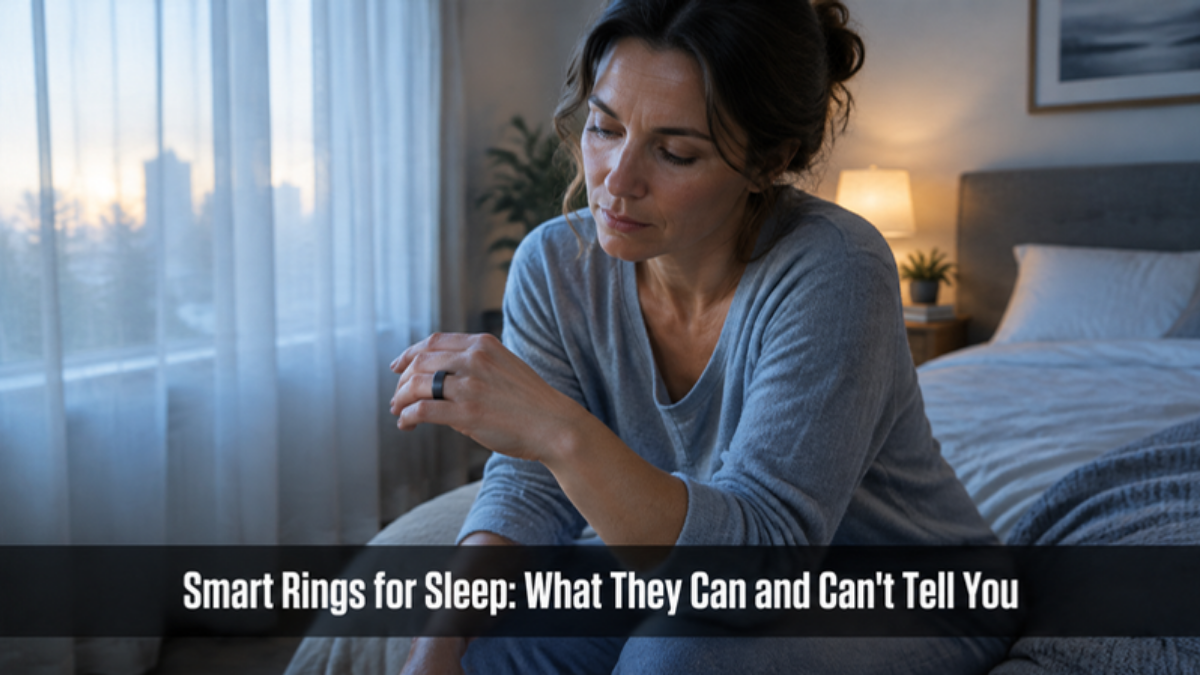
Smart Rings for Sleep: What They Can and Can’t Tell You
Last updated: October 15, 2026. Medically reviewed by Dr. Avinesh Bhar, Board-Certified Sleep Physician, SLIIIP.com.
Smart rings for sleep are useful for spotting trends in how long and how regularly you sleep, but they cannot diagnose a sleep disorder. Dr. Avinesh Bhar, Board-Certified Sleep Physician at SLIIIP.com, sees many patients who arrive with months of ring data and no clear answer.
He points out that a ring estimates sleep from pulse and movement at the finger, while a sleep test measures breathing directly.
A smart ring is a good habit tracker and a poor diagnostic tool. If your ring looks fine but you still wake up tired, your symptoms deserve more weight than your score.
SLIIIP’s board-certified sleep physicians can do sleep evaluations for sleep apnea. Virtual consultations in all 50 states. Home sleep tests shipped to your door.
What Does a Smart Ring Track While You Sleep?
Most smart rings use the same basic set of sensors packed into a small band. An accelerometer tracks movement, and light-based sensors read your pulse through the skin of your finger.
Many rings also track skin temperature, and some estimate blood oxygen during the night.
From those signals, the ring estimates when you fell asleep and when you woke up. It also guesses how your night split into light, deep, and REM sleep. Every sleep stage a ring reports is an estimate built from pulse and movement, not a direct reading of brain activity.
Most apps then roll this data into a single sleep score or readiness score. SLIIIP explains how those numbers are built in its guide on how accurate sleep scores are.
Are Smart Rings Good for Sleep Tracking?
Yes, smart rings are good for tracking sleep habits over time, such as bedtime, wake time, and total sleep. They are less reliable for exact sleep stages, and they cannot tell you whether you have a sleep disorder. Think of them as a mirror for your routine rather than a medical test.
The American Academy of Sleep Medicine takes a clear view on this. Its position statement on consumer sleep technology says these devices cannot be used to diagnose or treat sleep disorders. The same statement notes they may still help start useful conversations between patients and clinicians.
Used well, a ring can show patterns you would never notice on your own, like a slow drift toward later bedtimes. Used poorly, it can create worry over small nightly changes that do not matter.
Smart Ring vs Smartwatch: Which Is Better for Sleep?
For sleep alone, many people find a ring easier to wear all night than a watch. A ring is small, light, and less likely to bother you when you roll onto your side. Longer battery life on many rings also means fewer missed nights.
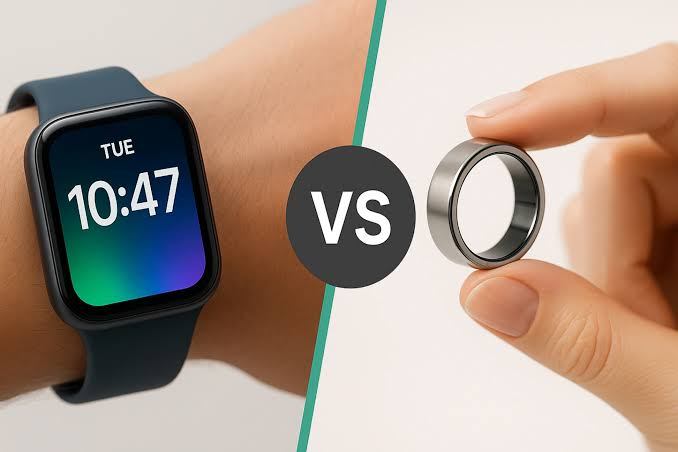
Watches have their own strengths. They have a screen, more sensors in some models, and often more daytime features. Neither form factor can diagnose sleep apnea or insomnia, so comfort and consistency matter more than small accuracy claims.
If a watch has already flagged something, see SLIIIP’s guide on what to do when a smartwatch flags a possible breathing issue.
What Can a Smart Ring Miss?
A smart ring can miss problems that a sleep test is built to catch. It cannot measure airflow at your nose or the effort of your chest with each breath. Those are the signals a sleep study uses to count breathing pauses linked to obstructive sleep apnea.
Rings also struggle with quiet wakefulness. If you lie still while awake, the ring may count that time as light sleep. People with insomnia may see a better score than the night they actually had.
Blood oxygen readings add more uncertainty. A loose fit, cold hands, or movement can all affect light-based sensors. This is why a calm oxygen chart should never be read as proof that your breathing is normal.
Who Gets the Most Out of a Smart Ring?
Smart rings tend to help most when you want to build steadier sleep habits. They are a simple way to see whether you are giving yourself enough time in bed. They can also show how late meals, alcohol, or travel line up with rougher nights.
Rings are less helpful if you already have symptoms that point to a sleep disorder. In that case, more tracking often delays the step that actually helps, which is an evaluation. Tracking is a tool for healthy sleepers to fine-tune habits, not a substitute for testing when symptoms are present.
Some people also find that constant tracking makes them more anxious about sleep. This pattern even has a name, and SLIIIP explains it in its article on orthosomnia and sleep trackers.
How Should You Choose a Smart Ring for Sleep?
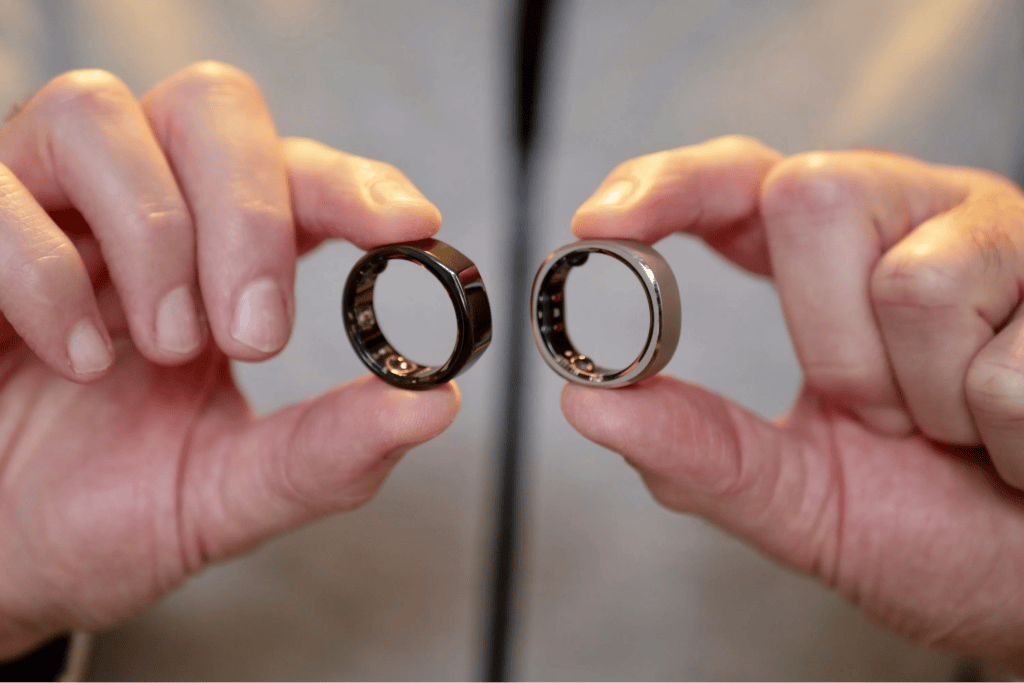
Start with comfort and fit, since a ring you take off at night tracks nothing. Size it on the finger you plan to wear it on while you sleep. A snug fit generally helps light-based sensors give steadier readings.
Next, look at the total cost of ownership. Some rings require a monthly subscription to see full sleep data, and others do not. SLIIIP compares two common options in RingConn vs Oura, and reviews the Evie Ring separately.
Finally, check how the app presents data. Trend views over weeks are more useful than a single nightly grade. Avoid choosing a ring because it promises to detect a medical condition unless that feature has clear regulatory clearance and you understand its limits.
What Should You Do If Your Ring Flags a Problem?
If your ring keeps flagging low oxygen, frequent waking, or very short sleep, treat it as a reason to look closer. Write down your symptoms and how long the pattern has lasted. Screenshots of a few weeks of trends can give a doctor useful background.
The next step for suspected sleep apnea is usually a sleep study. According to the National Heart, Lung, and Blood Institute, sleep studies help show which type of sleep apnea you have and how serious it is. For many adults, this starts with a home sleep apnea test worn in their own bed.

When to See a Doctor
See a doctor if you snore loudly, wake up gasping, or feel sleepy during the day, whatever your ring score says. Dr. Avinesh Bhar recommends booking a sleep evaluation when tiredness lasts more than a few weeks despite enough time in bed. He also advises patients not to wait for a ring alert if a partner has noticed pauses in their breathing.
Seek care sooner if you nod off while driving or have trouble staying awake at work. Untreated sleep apnea is linked to high blood pressure, heart problems, and drowsy driving risks. If you use CPAP, do not change your settings based on ring data. Share the trend with your sleep doctor instead.
SLIIIP works with many major insurance plans, including Medicare and TRICARE.

SLIIIP’s board-certified sleep physicians can do sleep evaluations for sleep apnea. Virtual consultations in all 50 states. Home sleep tests shipped to your door.
Frequently Asked Questions
Are smart rings accurate for sleep?
They are fairly good at total sleep time and timing. They are less precise for sleep stages.
Can a smart ring diagnose sleep apnea?
No. Consumer sleep devices cannot diagnose sleep disorders. A sleep test is needed.
What does a smart ring measure at night?
Most track movement, pulse, heart rate variability, and skin temperature. Some also estimate blood oxygen.
Is a smart ring better than a watch for sleep?
Many people find a ring more comfortable at night. Neither one can diagnose a sleep disorder.
Can a smart ring tell if I have insomnia?
No. Rings can miss quiet time awake, so they may overestimate sleep in people with insomnia.
Do smart rings measure REM sleep?
They estimate REM sleep from pulse and movement. They do not measure brain activity directly.
Do I need a subscription for a smart ring?
Some brands charge monthly for full sleep data, and others do not. Check before you buy.
Can a smart ring make my sleep worse?
For some people, constant score checking is linked to more sleep anxiety. Taking breaks can help.
How should a smart ring fit for sleep?
Snug but comfortable on the finger you wear it on at night. A loose ring gives spottier readings.
Are smart ring blood oxygen readings reliable?
They are estimates that can be affected by fit, cold hands, and movement. They do not replace a sleep test.
Should I trust a good sleep score if I feel tired?
No. Ongoing tiredness matters more than any score and is worth discussing with a doctor.
Who benefits most from a smart ring?
People who want to build steadier sleep habits. It is less useful once symptoms point to a disorder.
Can I bring smart ring data to a sleep doctor?
Yes. A few weeks of trend screenshots can add useful background.
What test checks for sleep apnea?
A home sleep apnea test or an in-lab sleep study, reviewed by a sleep physician.
Can a smart ring track naps?
Many rings can detect longer naps. Short naps may be missed or logged as rest.
Does alcohol show up in smart ring data?
Alcohol is linked to a higher overnight heart rate and lower heart rate variability, which rings often show.
Can I adjust my CPAP using ring data?
No. Never change CPAP settings on your own. Share ring trends with your sleep physician.
How long should I track before seeing a doctor?
If symptoms last more than a few weeks, book an evaluation. Do not wait if symptoms are severe.
Does SLIIIP offer home sleep tests?
Yes. SLIIIP's sleep physicians can order home sleep tests shipped to your door after a virtual visit.
Does insurance cover a sleep evaluation?
Many plans do, including Medicare and TRICARE. You can verify your benefits online before booking.
SLIIIP's board-certified sleep physicians can do sleep evaluations for sleep apnea. Virtual consultations in all 50 states. Home sleep tests shipped to your door.
Latest posts
-
Can Statins Cause Insomnia? What the Research Shows
Last updated: November 17, 2026. Medically reviewed by Dr. Avinesh Bhar, Board-Certified Sleep Physician, SLIIIP.com. For most people, probably not. A meta-analysis of placebo-controlled sleep lab studies found that statins…
-
Do Beta Blockers Cause Insomnia? What to Know
Last updated: November 17, 2026. Medically reviewed by Dr. Avinesh Bhar, Board-Certified Sleep Physician, SLIIIP.com. Beta blockers are linked to insomnia in some people. Some beta blockers lower nighttime melatonin,…
-
Do I Need a Sleep Study to Get the Sleep Apnea Pill?
Last updated: November 17, 2026. Medically reviewed by Dr. Avinesh Bhar, Board-Certified Sleep Physician, SLIIIP.com. Yes, almost certainly. Any sleep apnea medicine, including the AD109 pill if it is approved,…
Get updates
Spam-free subscription, we guarantee. This is just a friendly ping when new content is out.

