👉 Register for Free. How to Diagnose Sleep Apnea Faster in Primary Care – FREE Webinar by Dr. Audrey Wells. – Friday, April 24 at 12 PM ET

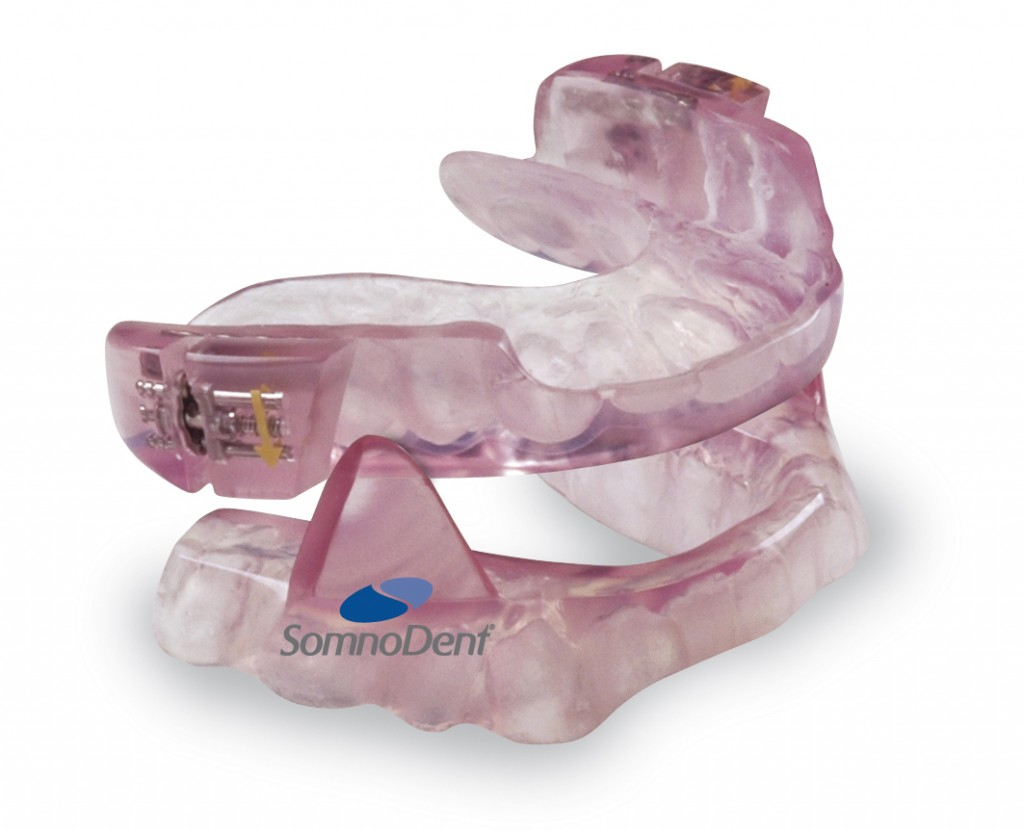
Snoring Gum Guard: How a Custom Oral Device Can Help You Breathe Better at Night
Dr. Avinesh Bhar, Founder of SLIIIP, frequently works with patients who struggle with snoring and obstructive sleep apnea. As part of a comprehensive sleep treatment approach, he often recommends oral appliance therapy for appropriate patients, especially those who cannot tolerate CPAP or are looking for a simpler, travel-friendly solution.
One of the most common devices used in this type of treatment is a snoring gum guard, which helps support healthier breathing during sleep.
A snoring gum guard is a dental device worn during sleep that repositions your lower jaw slightly forward, opening the airway and reducing the vibrations that cause snoring. Also called a mandibular advancement device, this type of oral appliance is fitted to your teeth and works by keeping soft tissues in the throat from collapsing while you rest.
You are not alone if snoring has started affecting your relationship, your energy, or your confidence. Maybe your partner sleeps in another room now. Maybe you wake up with a dry mouth every morning and feel like you ran a marathon in your sleep. The frustration is real, and so is the exhaustion.
According to the American Academy of Sleep Medicine, habitual snoring affects roughly 40 percent of adult men and 24 percent of adult women. Those are not small numbers. And for many of those individuals, snoring is more than a nuisance. It can signal restricted airflow during sleep that robs your body of oxygen and interrupts restorative rest.

Myth vs. Reality: Snoring Is Harmless
One of the most persistent myths about snoring is that it is completely harmless. The reality is more complex. While occasional, light snoring may not indicate a health concern, loud, chronic snoring, especially when accompanied by pauses in breathing, gasping, or choking sounds, can be a sign of obstructive sleep apnea. A snoring gum guard can reduce the sound and improve airflow, but it is essential to understand what is causing the snoring before choosing a solution.
Ready to Find Out Why You Snore?
Over 10,000 consultations completed. No referral required. Board-certified sleep physicians available in all 50 states. Most major insurance plans accepted.
What Causes Snoring and Why a Gum Guard Helps
Snoring happens when air flows past relaxed tissues in your throat, causing those tissues to vibrate as you breathe. Several factors contribute to this narrowing of the airway, including sleeping on your back, carrying extra weight around the neck, nasal congestion, alcohol consumption before bed, and the natural loss of muscle tone that comes with aging.
Check your snoring tonight and see if this sounds like you. If it does, you may have sleep apnea. A treatable condition that an oral appliance like a snoring gum guard can help with.
For a deeper look at the relationship between snoring and breathing, you can read more at Snoring and Sleep Apnea.
Types of Snoring Gum Guards: Custom vs. Over-the-Counter
Not all snoring gum guards are created equal. Understanding the differences can save you time, money, and frustration.
Custom mandibular advancement devices are fitted by a dentist trained in dental sleep medicine. These devices are made from impressions of your teeth and are adjustable, durable, and designed to last three to five years. Custom devices like the SomnoDent, Herbst, and myTAP offer precision titration, meaning your provider can fine-tune the jaw position over several weeks until optimal airflow is achieved.
Over-the-counter boil-and-bite devices are available at pharmacies and online. While they cost significantly less, they offer limited adjustability, less durable materials, and a generic fit that may cause jaw discomfort or fall out during sleep. They can serve as a trial to see if jaw advancement helps before investing in a custom device.
Tongue retaining devices represent a third option. Instead of moving the jaw forward, these hold the tongue in a forward position using gentle suction. They work well for people who wear dentures or have jaw joint concerns.
If you are exploring oral appliance options in more detail, this guide may be helpful: Best Oral Appliance for Sleep Apnea.
How to Know If a Snoring Gum Guard Is Right for You
A snoring gum guard is most effective for people who snore due to airway narrowing at the back of the throat. You may be a strong candidate if you snore primarily when sleeping on your back, if your snoring has been described as loud or disruptive, if you wake with a dry mouth or sore throat, or if you feel tired during the day despite getting a full night of sleep.
However, not everyone should jump straight to an over-the-counter mouthpiece. If your snoring is accompanied by witnessed pauses in breathing, gasping episodes, morning headaches, or significant daytime drowsiness, you may benefit from a professional evaluation first. A home sleep test can measure your breathing patterns, oxygen levels, and airflow to determine whether obstructive sleep apnea is present.

You can learn more about home sleep testing at How Does a Home Sleep Test Work.
Getting Fitted for a Custom Snoring Gum Guard
The process of obtaining a custom snoring gum guard typically involves several steps. First, you consult with a sleep specialist or dentist who evaluates your symptoms, reviews your medical history, and may recommend a sleep study. If a mandibular advancement device is appropriate, your dentist takes digital or physical impressions of your teeth.
The device is then fabricated in a dental lab and fitted during a follow-up appointment. Your provider adjusts the degree of jaw advancement and schedules additional visits to fine-tune the fit. After the initial adjustment period, which usually lasts two to four weeks, most people report significantly reduced snoring and improved sleep quality.
At Sliiip, the team coordinates directly with your dental provider to ensure your oral appliance fits properly and delivers results. Learn more about oral appliance therapy at Oral Appliance Therapy.
Expert Q&A with 2 Sleep Dentists
- I am just snoring, I can’t have sleep apnea
“When patients tell me they don’t have sleep apnea, the first question I ask them is “are they still waking up fatigued or feeling mentally foggy throughout the day?” If they are, I do my best to educate them about UARS (Upper Airway Respiratory Syndrome) and I let them know that it’s the equivalent of having “pre-diabetes” in the sleep apnea world. They seem to mentally check-in with that concept better because more family members are likely to admit they have diabetes to other family members than if they are having sleep difficulties. I also ask them, “are they waking up at night between 2-4am and are they clenching or grinding their teeth at night?” If they indicate yes to that, I do my best to educate them that those symptoms can be a warning sign that sleep apnea may be on the horizon for them because that’s not normal behavior of our bodies if everything is working the way it should. They are likely waking up due to low oxygen levels and subsequent stress hormones that are getting produced to force them to wake up. I also explain that the goal of oral appliance therapy is to help those in the UARS to mild/moderate level of sleep apnea. Once it gets severe, they really do best with CPAP, but studies do indicate that at the mild to moderate level of sleep apnea the oral appliances fare better and are much less cumbersome.”
Donald S. Anderson DDS
http://www.donaldandersondds.com
- Does insurance cover oral appliance?
“Many patients are surprised to learn that mandibular advancement devices (MADs) are commonly covered by commercial medical insurance and Medicare when prescribed for obstructive sleep apnea. However, coverage depends on several factors, including the patient’s deductible, co-pays, and specific policy requirements. Insurers often have additional guidelines as well. For example, patients with mild OSA may need documented comorbidities, while those with severe OSA may be required to attempt CPAP therapy first. Coverage also typically requires appropriate medical documentation, such as a prescription and a letter of medical necessity from a qualified provider.
Even when insurance coverage is available, it does not always mean there will be no out-of-pocket costs. In our practice, we make a strong effort to help patients navigate these requirements, maximize their insurance benefits, and keep costs as reasonable as possible. We have also worked to make our processes highly efficient so we can provide effective treatment options that remain affordable, even when insurance coverage is limited or unavailable. We also offer complimentary consultations so patients can discuss whether they are a candidate for oral appliance therapy and review their insurance coverage and potential out-of-pocket costs before beginning treatment.”
Gy Yatros, DMD Founder, New Concept Sleep
What to Expect After You Start Using a Snoring Gum Guard
During the first few nights, you may experience mild jaw soreness, increased saliva production, or a temporary change in your bite when you first wake up. These effects are normal and typically resolve within one to two weeks as your mouth adjusts to the device.
Most people notice a reduction in snoring volume within the first week. Partners often report the improvement before the snorer does. Over time, you may also notice improvements in morning energy, reduced dry mouth, and fewer nighttime awakenings.
It is important to follow up with your provider after the initial fitting period. A repeat sleep study may be recommended to confirm that the device is effectively reducing airflow obstruction, not just the sound of snoring.
Snoring Gum Guard vs. CPAP: Which Is Better?
CPAP, which stands for continuous positive airway pressure, is a machine that delivers a steady stream of air through a mask to keep your airway open during sleep. CPAP is considered the most effective option for moderate to severe obstructive sleep apnea.

A snoring gum guard, or mandibular advancement device, is generally recommended for snoring without apnea, mild obstructive sleep apnea, or moderate cases where the individual cannot tolerate CPAP. The advantage of an oral device is its simplicity. There are no hoses, no electricity, no noise, and no mask. It fits in a small case and travels easily.
Research published in the journal JAMA shows that while CPAP reduces breathing events more effectively in controlled settings, real-world effectiveness is comparable because patients use oral appliances far more consistently. A device that you actually wear every night delivers better results than one that sits on the nightstand.
For those already using CPAP, you can read more at CPAP Tips.
Lifestyle Changes That Support Your Snoring Gum Guard
5 Habits That Make a Snoring Gum Guard Work Better
Using an oral device is one piece of the puzzle when treating snoring and mild to moderate sleep apnea. To get the best results, it helps to combine your snoring gum guard with simple lifestyle habits that support better nighttime breathing.
- Sleep on Your Side
Sleeping on your back can cause the tongue and throat tissues to fall backward, narrowing the airway. Side sleeping reduces this gravitational collapse and often leads to quieter breathing. - Elevate the Head of Your Bed
Raising the head of your bed by about 4 to 6 inches can help keep your airway more open and reduce nighttime airway obstruction. - Avoid Alcohol Before Bed
Alcohol relaxes the muscles in the throat, which can worsen snoring and airway collapse. Try to avoid alcohol within three hours of bedtime. - Maintain a Healthy Weight
Extra tissue around the neck and airway can increase airway resistance during sleep. Maintaining a healthy weight can significantly improve breathing during the night. - Keep Your Nasal Passages Clear
Clear nasal passages encourage breathing through the nose rather than the mouth. Saline rinses, allergy management, or nasal sprays can help reduce congestion.
When combined with a snoring gum guard, these habits can significantly improve airflow and overall breathing quality during sleep.
Frequently Asked Questions About Snoring Gum Guards
What is a snoring gum guard? A snoring gum guard is a dental device worn during sleep that holds the lower jaw in a slightly forward position. This advancement opens the airway behind the tongue, reduces tissue vibration, and decreases or eliminates snoring. Custom versions are fitted by a dentist for optimal comfort and effectiveness.
How does a snoring gum guard stop snoring? By advancing the lower jaw forward, the device tightens the soft tissues at the back of the throat and prevents the tongue from falling backward into the airway. This keeps the airway open and reduces the vibrations that produce snoring sounds during sleep.
Is a snoring gum guard the same as a mouth guard for sports? No. A snoring gum guard is specifically designed to reposition the jaw for airway improvement during sleep. Sports mouth guards protect teeth from impact and do not address airway patency or snoring.
Can I buy a snoring gum guard over the counter? Yes, over-the-counter boil-and-bite devices are available. However, they offer less adjustability and comfort compared to custom devices. For persistent or loud snoring, a custom-fitted device prescribed by a sleep specialist or dentist is recommended.
Does insurance cover a snoring gum guard? Many medical insurance plans cover oral appliance therapy when it is prescribed for obstructive sleep apnea confirmed by a sleep study. Coverage varies by plan, so verification of benefits is recommended before starting the process.
How long does a custom snoring gum guard last? A professionally fitted mandibular advancement device typically lasts three to five years with proper care. Regular follow-up appointments help ensure the device continues to fit properly and remains effective.
Will a snoring gum guard help with sleep apnea? Mandibular advancement devices are an evidence-based option for mild to moderate obstructive sleep apnea and can reduce the apnea-hypopnea index by 50 percent or more in many patients. A sleep study is needed to confirm whether sleep apnea is present.
Can a snoring gum guard cause jaw pain? Some mild jaw soreness is normal during the first one to two weeks of use. Custom devices allow for gradual adjustment to minimize discomfort. Persistent pain should be reported to your dental provider for adjustment.
How do I clean a snoring gum guard? Rinse the device with cool water each morning and brush it gently with a soft toothbrush. Avoid hot water, which can warp the material. Your provider may recommend periodic cleaning with a denture tablet or specialized solution.
Do I need a prescription for a snoring gum guard? Over-the-counter devices do not require a prescription. However, custom mandibular advancement devices prescribed for sleep apnea do require a prescription from a sleep specialist and fitting by a trained dentist.
Can snoring come back after using a gum guard? If you stop using the device, snoring will likely return because the underlying airway anatomy has not changed. Consistent nightly use is important for sustained results.
Is a snoring gum guard comfortable to sleep with? Most people adjust to a custom device within one to two weeks. Custom devices are designed for your specific bite, making them significantly more comfortable than generic alternatives. Side effects like excess saliva and minor jaw stiffness usually resolve quickly.
Latest posts
-
RingConn vs Oura: Which Smart Ring Tracks Sleep Better?
Last updated: September 10, 2026. Medically reviewed by Dr. Avinesh Bhar, Board-Certified Sleep Physician, SLIIIP.com. RingConn and Oura both track sleep through a finger-worn ring, but they differ most in…
-
Withings ScanWatch Sleep Tracking Accuracy: What It Can and Cannot Tell You
Last updated: September 10, 2026. Medically reviewed by Dr. Avinesh Bhar, Board-Certified Sleep Physician, SLIIIP.com. Withings ScanWatch is a hybrid analog watch that tracks sleep stages and can flag nighttime…
Get updates
Spam-free subscription, we guarantee. This is just a friendly ping when new content is out.

