👉 Register for Free. Peri/Menopause at Midnight: Why You Wake Up Hot, Wired, and Wide Awake at 3AM. – Friday, March 27th, 3:00 AM ET with Dr. Audrey Wells.


Top Picks for the Best Sleep Aids to Sleep Better
Introduction to the Sleep Cycle
Understanding your sleep cycle is key to fixing trouble sleeping and finding the right sleep aid. Sleep happens in different stages, including light sleep, deep sleep, and REM sleep, and these stages repeat in cycles through the night.
When the sleep–wake cycle is disrupted, it can cause chronic insomnia, fatigue, and even mood changes. Most sleep aids target specific parts of this cycle to help you fall asleep faster or stay asleep longer. Some sleep aids, such as antihistamines, work by blocking the body’s alertness response triggered by histamine, leading to drowsiness. Additionally, certain sleep aids affect brain chemistry, such as neurotransmitters, to help regulate sleep.
While sleep aids can be helpful for short-term problems, experts recommend improving natural sleep habits first before relying on medication.
Meet Dr. Avinesh Bhar and SLIIIP
Dr. Avinesh Bhar, founder of SLIIIP, a trusted telemedicine practice that treats sleep disorders. He and his team are dedicated to improving how people understand and treat sleep problems.

At SLIIIP, the focus is on scientific, personalized sleep care, combining medical testing, behavioral therapy, and education to restore healthy sleep.
 Did you know?Treatments offered through SLIIIP are covered by Medicare and most major health insurance plans, making professional sleep care more accessible for everyone.
Natural Sleep Options
If you prefer natural approaches, there are several gentle ways to support better sleep:
- Melatonin supplements help regulate your internal clock, especially when dealing with jet lag.
- Herbal aids like valerian root, chamomile, or lavender promote relaxation.
- Magnesium and L-theanine can calm the nervous system naturally.
Natural remedies can also help manage sleep-related anxiety, which is a common barrier to falling asleep.
Always check with your doctor before taking supplements—especially if you have sleep apnea or take other medications. A clinical psychologist or sleep specialist can guide you toward natural methods that fit your body’s needs.
Over-the-Counter Solutions
You can find non-prescription sleep aids at your local pharmacy. They’re useful for occasional sleeplessness, but not meant for long-term use.
Be cautious:
- These medications can cause morning grogginess or dry mouth.
- The sedative effects can lead to next-day drowsiness or a “hangover” feeling.
- Avoid mixing them with alcohol—it increases risks and worsens sleep quality.
- Frequent use can lead to tolerance or dependence, making them less effective over time. The effectiveness of these sleep aids may decrease with regular use as your body builds tolerance.
- Stopping taking these medications suddenly can sometimes result in rebound insomnia.
Prescription Sleep Aids
For people with chronic insomnia who’ve tried other options without success, prescription medications may help. Doctors may prescribe medicines that help you fall asleep faster, stay asleep longer, or reduce nighttime awakenings.
However, they can come with side effects, such as dizziness, memory issues, or nervous system effects.
- Always follow your doctor’s instructions.
- Prescription sleep aids should be reviewed by your doctor on a regular basis to ensure safety and effectiveness.
- Avoid overmedicating children or using them for extended periods without supervision.
- Combining medication with sleep tracking technology or therapy can improve results safely.
Sleep Apps and Technology
Modern technology can help you understand and improve your sleep.
- Apps like Sleep Cycle or Calm track sleep patterns and provide relaxing sounds.
- Fitness trackers (like Google Fit or Fitbit) record sleep stages and duration.
- Some smart devices can detect conditions such as sleep apnea or restless leg syndrome and suggest improvements.
We recommend doing your own home sleep test using the SLIIIP home sleep test. Its only $250 and requires no insurance. Its 99% accurate and can be done at home.

Many sleep trackers monitor heart rate and breathing patterns to estimate sleep stages and overall sleep quality. These devices can also detect periods when you are awake during the night and may record sounds such as talking, coughing, or sneezing to provide further insights into your sleep. Reviewing data on how long you slept and when you were awake can help you better understand your sleep patterns.
While helpful, remember that apps should complement professional medical advice, not replace it.
Enhancing Sleep with Supplements
For many people, supplements can be a helpful addition to their sleep routine—especially if you’re having trouble falling asleep or staying asleep through the night. Melatonin supplements are among the most popular sleep aids, as they work with your body’s natural sleep–wake cycle to signal when it’s time to rest. While melatonin can be effective for occasional sleeplessness or adjusting to a new time zone, it’s important to remember that it’s not a one-size-fits-all solution. Using melatonin supplements under the guidance of a healthcare professional ensures you get the right dose and avoid unwanted side effects.
Other natural sleep aids, such as valerian root and chamomile, may also support better sleep quality by promoting relaxation and easing you into a restful state. When choosing any sleep supplement, always opt for reputable brands and follow the recommended dosage. Overuse or incorrect use can lead to side effects or disrupt your sleep wake cycle. Supplements can be helpful, but they work best as part of a broader approach to natural sleep and healthy habits.
Improving Sleep Quality
A good night’s sleep and Sleep quality affect your energy, focus, and long-term health.
Simple changes can make a big difference:
- Keep a consistent bedtime and wake time, even on weekends.
- Avoid caffeine and alcohol before bed, as research shows that avoiding alcohol can significantly improve sleep quality.
- Make your room cool, quiet, and dark.
- Practice relaxation, like reading or gentle meditation.
Getting enough sleep is essential for your overall health and helps prevent daytime sleepiness. Good sleep habits and, when needed, sleep aids can help you achieve a good night’s rest and a good night’s sleep, leading to a more restful night’s sleep.
Reducing stress and creating a peaceful environment can lead to more deep and refreshing sleep without always needing sleep aids.
Better Sleep Habits
Good sleep habits are the foundation of lasting rest. Most people can improve their sleep quality by following these habits.
Try these steps:
- Avoid long daytime naps that disrupt your cycle.
- Set a consistent wake-up time each morning.
- Exercise regularly, but not right before bed.
- Eat light in the evening and avoid heavy meals late at night.
- Allow at least an hour to wind down before bed as part of your routine.
- Stay away from allergy medications or decongestants that can cause wakefulness.
Over time, these healthy routines help your body naturally regulate its sleep–wake rhythm.
Sleep Environment and Lifestyle
Your sleep environment and daily habits play a huge role in the quality of your rest. To truly improve sleep, start by establishing a regular sleep schedule, going to bed and waking up at the same time each day helps your body’s internal clock stay on track. Avoiding caffeine and alcohol in the hours before bedtime can prevent disruptions to your sleep and support healthy melatonin production.
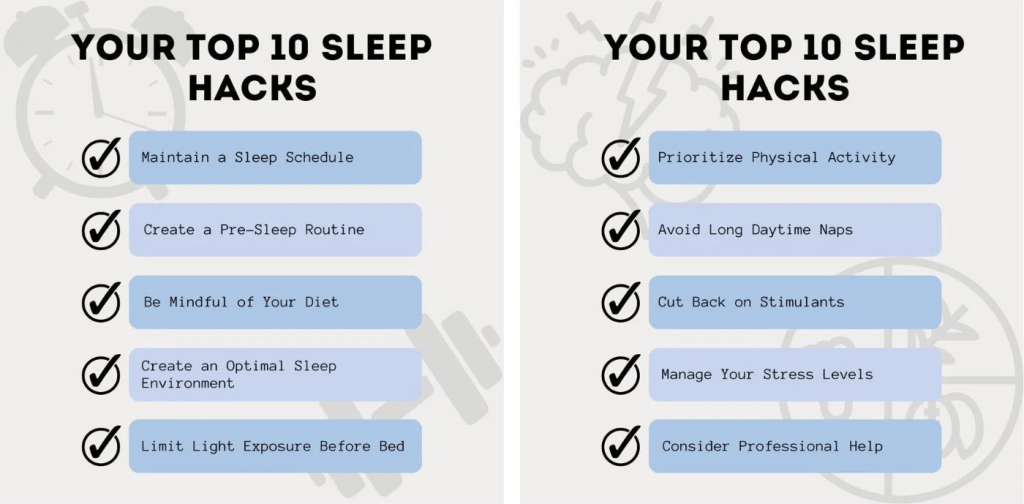
Creating a calm, comfortable bedroom is also key. Keep your room cool, dark, and quiet, and consider using blackout curtains or a white noise machine if needed. Limit screen time before bed, as the blue light from devices can interfere with your body’s natural signals to wind down. Incorporating stress-reducing activities, like gentle stretching or meditation, can help your mind and body relax for a better night’s rest.
Regular physical activity during the day can also make it easier to fall asleep at night, but try to avoid vigorous exercise close to bedtime. Eating light in the evening and steering clear of heavy meals late at night can further support restful sleep. For extra insight, a sleep tracker or sleep app can help you monitor your sleep patterns and identify areas for improvement, making it easier to wake up feeling refreshed and ready for the day.
Side Effects of Sleep Aids
While helpful in some cases, sleep aids can cause side effects if used improperly. Sleep aids are generally intended for use during an occasional sleepless night, not for ongoing sleep problems.
Possible effects include:
- Morning drowsiness or dizziness
- Nervous system disruptions
- Confusion or memory issues
- Risk of dependence with long-term use
Always follow the instructions carefully, and consult a healthcare professional if side effects appear. Never combine sleep aids with alcohol or other sedatives.
Choosing the Right Sleep Aid
Selecting the best sleep aid depends on your needs and health.
Ask yourself:
- Do I have trouble falling asleep, staying asleep, or both?
- Have I tried improving my habits first?
- Do I have a medical condition that affects my sleep?
Consult your doctor or sleep specialist for guidance. Reading reviews and understanding ingredients can also help you make informed choices. The best sleep aids are those that safely help you sleep when you need it. Remember: the goal is to improve natural sleep patterns, not rely on pills permanently.

