👉 Register for Free. How to Diagnose Sleep Apnea Faster in Primary Care – FREE Webinar by Dr. Audrey Wells. – Friday, April 24 at 12 PM ET


Can an Oura Ring Detect Sleep Apnea?
Last updated: October 15, 2026. Medically reviewed by Dr. Avinesh Bhar, Board-Certified Sleep Physician, SLIIIP.com.
An Oura Ring can flag signs that are linked to sleep apnea, but it cannot diagnose it. The ring tracks blood oxygen and breathing patterns at night, which can point to a problem worth checking. Dr. Avinesh Bhar, Board-Certified Sleep Physician at SLIIIP.com, notes that a finger sensor cannot measure airflow or breathing effort. Those are the two signals a sleep study uses to count apneas.
An Oura alert is a reason to ask questions, not an answer. Only a validated sleep test can confirm or rule out sleep apnea.
SLIIIP’s board-certified sleep physicians can do sleep evaluations for sleep apnea. Virtual consultations in all 50 states. Home sleep tests shipped to your door.
What Does the Oura Ring Measure at Night?
The Oura Ring measures heart rate, heart rate variability, skin temperature, movement, and blood oxygen while you sleep. It uses small light sensors on the inside of the ring to read blood flow in your finger. From those signals, the app estimates sleep stages and builds a nightly sleep score.

For breathing, the app shows your average overnight blood oxygen. It also shows a breathing regularity view that marks periods when breathing looked uneven. Members in the United States with a Gen3 or Oura Ring 4 and an active membership can now get an alert about frequent breathing disturbances. These features describe patterns over the night, not individual breathing events.
If you want to understand the nightly score itself, our guide on what your Oura sleep score means walks through each part of it. This article focuses on one question: what the ring can and cannot tell you about sleep apnea.
Can an Oura Ring Diagnose Sleep Apnea?
No, an Oura Ring cannot diagnose sleep apnea. Oura itself says the feature suggests when a member may want to talk to a healthcare provider. The American Academy of Sleep Medicine states that consumer sleep devices cannot be used to diagnose or treat sleep disorders. You can read that view in the AASM position statement on consumer sleep technology.
The same statement says these devices may help start a better talk between patients and clinicians. That is the most useful way to think about your ring.
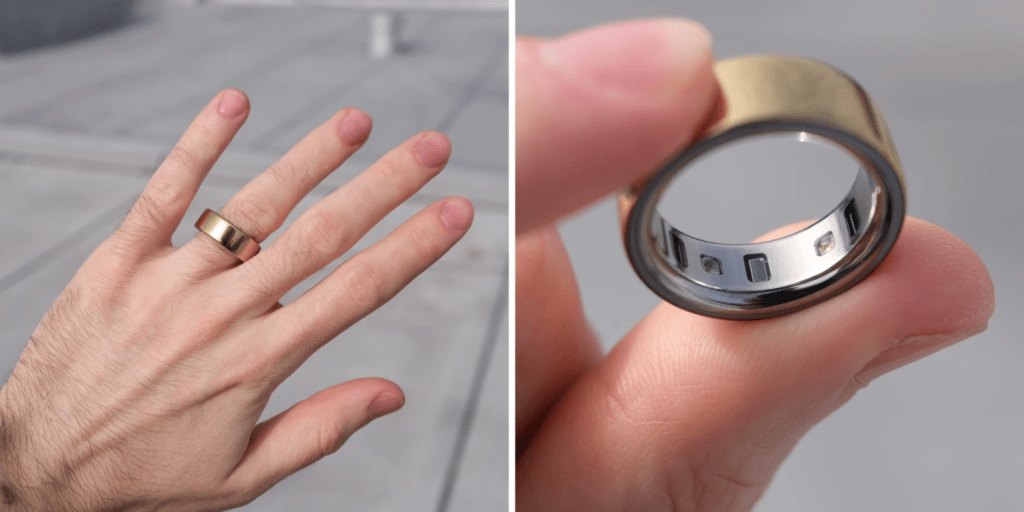
It can give your doctor a starting point. It cannot replace the test that gives a medical answer.
Sleep apnea is diagnosed by counting how often breathing stops or becomes shallow each hour of sleep. This number is called the apnea-hypopnea index, or AHI. An AHI of 5 or more events per hour, along with symptoms, is the usual starting point for a sleep apnea diagnosis. A ring does not produce an AHI.
Why Does a Finger Sensor Miss Part of the Picture?
A ring sees the effects of breathing problems, not the breathing itself. When your airway narrows or closes, oxygen in the blood can drop a short time later. The ring may pick up that dip. It cannot see whether air stopped moving through your nose and mouth.
Dr. Bhar points out that this gap matters in both directions. Some oxygen dips come from a loose fit, cold hands, or the way you lie on your arm. Those readings can look worrying when nothing is wrong. Other people have many breathing events with only small oxygen changes. A normal-looking Oura night does not rule out sleep apnea.
In some people, such as many women and younger, leaner adults, sleep apnea can come with milder oxygen drops. They may also have fewer classic symptoms like loud snoring. A wearable can give them false comfort if they rely on it alone.
What Does a Home Sleep Test Measure That a Ring Does Not?
A home sleep apnea test measures your breathing and blood oxygen with medical-grade sensors. Most devices track airflow at the nose, chest or belly movement, oxygen level, and heart rate. A sleep physician then reviews the data and scores each event by hand or with checked software.
According to Sleep Education from the AASM, a home test gives a medical provider the information needed to diagnose sleep apnea. It is often used when the chance of moderate to severe sleep apnea is high. A negative home test does not always rule out sleep apnea, so some people need an in-lab study.

Curious what the night looks like? Our guide on what to expect during a home sleep apnea test explains the setup and results.
What Should You Do If Your Oura Ring Flags Breathing Disturbances?
If your Oura Ring flags frequent breathing disturbances, look at the pattern over two to three weeks before you worry. One rough night after alcohol, a cold, or a late meal is common. A pattern that repeats most nights is more meaningful.
Next, compare the data with how you feel. Breathing alerts plus daytime sleepiness, loud snoring, or morning headaches are a stronger reason to get tested. Ask a bed partner whether they have heard pauses, gasps, or choking sounds while you sleep.
Then bring your data to a sleep physician. Screenshots of your oxygen trend and breathing regularity can help the visit. The physician will ask about your symptoms and health history. They will then decide whether a home sleep test or an in-lab study fits you best.
Our article on what to do when a smartwatch flags a breathing issue covers the same steps for watch users. The approach is similar for any wearable alert.
Should You Change Your Habits Based on Ring Data Alone?
You should not start, stop, or change any prescribed therapy based on ring data. This includes CPAP settings, oral appliances, and sleep medicine. Talk to the clinician who prescribed it before making any change.
Healthy habits are still worth it while you wait for answers. Keeping a steady bedtime, limiting alcohol near bedtime, and sleeping on your side are linked to better sleep for many people. These steps do not treat sleep apnea, but they can make your data easier to read.
Some people start checking their score so often that it adds stress at night. If that sounds familiar, our piece on orthosomnia and sleep trackers offers ways to use the data without letting it run your sleep.
Is the Oura Ring Still Useful for People With Sleep Apnea?
Yes, an Oura Ring can still be useful for people with sleep apnea as a trend tool. Many patients like seeing how their sleep looks over months. Some notice that their sleep score and resting heart rate look steadier once treatment is in place.
For people on CPAP, the CPAP machine’s own data is the more direct measure of how therapy is going. The ring can add context about sleep timing and habits. Your sleep physician should guide how you read both sources together.
Watch: Dr. Wells explains which sleep tech is the best
When to See a Doctor
See a doctor if your ring shows frequent breathing disturbances most nights, or if you have symptoms of sleep apnea. Symptoms include loud snoring, witnessed pauses in breathing, waking up gasping, and feeling sleepy during the day. High blood pressure that is hard to control is another reason to ask about testing.
Dr. Bhar recommends bringing at least two weeks of ring data to your first visit, along with a short list of symptoms. He advises patients not to wait for the ring to look worse before getting tested. If symptoms are present, a sleep evaluation makes sense even when the ring data looks normal.
Seek urgent care right away if you have chest pain, severe shortness of breath, or fainting. Those symptoms need emergency help, not a sleep appointment.
SLIIIP accepts most major insurance plans, including Medicare and TRICARE. Check your coverage before your visit.

Checking your benefits takes only a few minutes. Verify Insurance Coverage
Frequently Asked Questions
Can an Oura Ring detect sleep apnea?
It can flag patterns linked to sleep apnea, such as oxygen dips and uneven breathing. It cannot diagnose sleep apnea.
Is the Oura Ring a medical device for sleep apnea?
Oura does not present its ring as a tool to diagnose sleep apnea. It suggests when you may want to see a provider.
What does the breathing disturbance alert mean?
It means the ring saw frequent periods of uneven breathing over the night. It is a prompt to talk to a clinician, not a diagnosis.
What is a normal blood oxygen level during sleep?
Many healthy adults stay in the mid to high 90s during sleep. Your doctor can tell you what is normal for you.
Can my Oura data look normal if I have sleep apnea?
Yes. Some people have many breathing events with only small oxygen drops, so a normal-looking night does not rule out sleep apnea.
Why does my Oura show low oxygen on some nights?
A loose fit, cold hands, or lying on your hand can affect readings. Repeated low readings are worth discussing with a doctor.
What is AHI?
AHI is the apnea-hypopnea index, the number of breathing events per hour of sleep. It comes from a sleep study, not a ring.
Does Oura measure airflow?
No. The ring reads blood flow in the finger and cannot measure air moving through your nose and mouth.
How is sleep apnea diagnosed?
Sleep apnea is diagnosed with a home sleep apnea test or an in-lab sleep study, reviewed by a physician.
Is a home sleep test more accurate than an Oura Ring?
Yes, for sleep apnea. A home test uses medical sensors for airflow, breathing effort, and oxygen.
Should I bring my Oura data to a sleep doctor?
Yes. Trends over a few weeks can help the doctor understand your sleep and decide on testing.
Can I use an Oura Ring while using CPAP?
Yes. The ring can show sleep trends, but your CPAP data is the main measure of therapy.
Should I change my CPAP settings based on Oura data?
No. Never change prescribed CPAP settings on your own. Talk to your prescribing clinician first.
Does alcohol affect Oura breathing readings?
Alcohol near bedtime is linked to more breathing problems and lower sleep quality, which can show in ring data.
Can a smart ring track snoring?
Most smart rings do not record sound. Ask a bed partner or use a sleep test to check for snoring and pauses.
Are other smart rings better for sleep apnea?
No consumer ring replaces a sleep test. Any ring alert should lead to a talk with a sleep physician.
Do I need a referral for a sleep evaluation?
Many people can book a sleep evaluation without a referral, but insurance rules vary. Check your plan.
Does insurance cover a home sleep test?
Many plans cover home sleep testing when a clinician orders it. Coverage depends on your plan.
How long should I track before seeing a doctor?
Two to three weeks of data is helpful, but do not wait if you have clear symptoms like gasping or daytime sleepiness.
Can SLIIIP review my Oura data?
You can share your ring data during a virtual visit as background. A SLIIIP sleep physician will decide if a sleep test is needed.
SLIIIP’s board-certified sleep physicians can do sleep evaluations for sleep apnea. Virtual consultations in all 50 states. Home sleep tests shipped to your door.
Latest posts
-
Can Sleep Supplements Help Sleep Apnea?
Last updated: October 15, 2026. Medically reviewed by Dr. Avinesh Bhar, Board-Certified Sleep Physician, SLIIIP.com. Sleep supplements cannot treat sleep apnea, because sleep apnea is a breathing problem and not…
-
Smart Rings for Sleep: What They Can and Can’t Tell You
Last updated: October 15, 2026. Medically reviewed by Dr. Avinesh Bhar, Board-Certified Sleep Physician, SLIIIP.com. Smart rings for sleep are useful for spotting trends in how long and how regularly…
-
Can an Oura Ring Detect Sleep Apnea?
Last updated: October 15, 2026. Medically reviewed by Dr. Avinesh Bhar, Board-Certified Sleep Physician, SLIIIP.com. An Oura Ring can flag signs that are linked to sleep apnea, but it cannot…
Get updates
Spam-free subscription, we guarantee. This is just a friendly ping when new content is out.

