

Can Sleep Apnea Cause Swollen Ankles?
Last updated: November 17, 2026. Medically reviewed by Dr. Avinesh Bhar, Board-Certified Sleep Physician, SLIIIP.com.
Sleep apnea can be part of the picture, usually through its effects on the heart and lungs. Long-term untreated sleep apnea is associated with pulmonary hypertension and strain on the right side of the heart.
Right heart strain can lead to fluid buildup in the ankles and legs. Swollen ankles have many other causes too, so they always deserve a medical check.
Dr. Avinesh Bhar, Board-Certified Sleep Physician at SLIIIP.com, pays close attention when a patient with loud snoring and daytime sleepiness also mentions swelling in the legs.
That combination is a reason to look at both the heart and breathing during sleep.
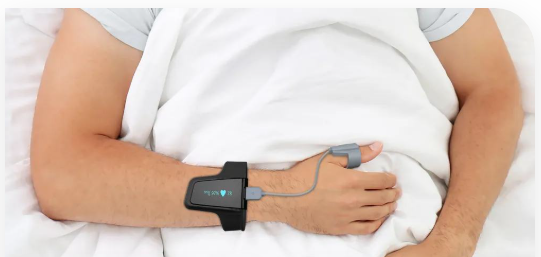
SLIIIP’s board-certified sleep physicians can do sleep evaluations for sleep apnea. Virtual consultations in all 50 states. Home sleep tests shipped to your door.
Can Sleep Apnea Cause Swollen Ankles?
Not directly, but it can contribute through the heart. Repeated drops in oxygen during sleep raise pressure in the lung arteries, which is linked to pulmonary hypertension.
The National Heart, Lung, and Blood Institute lists sleep apnea among the lung conditions that can contribute to pulmonary hypertension.
TAKE THE QUIZ
What Else Causes Swollen Ankles?
Many things cause ankle swelling, and most are not sleep apnea. The MedlinePlus guide to foot, leg and ankle swelling lists common causes.
- Heart failure, kidney failure or liver disease.
- Being overweight or older.
- Blood clots or infection in the leg.
- Weak leg veins, often with varicose veins.
- Long flights, long car rides or standing for hours.
- Pregnancy, hormones or parts of the menstrual cycle.
- Some medicines, such as calcium channel blockers, steroids and some antidepressants.
Several of these overlap with sleep apnea risk factors. Obesity and heart failure are two common examples.
How Does Sleep Apnea Strain the Heart?
Each breathing pause sets off a chain of events. Oxygen falls, the body releases stress hormones, heart rate rises and blood pressure surges.
When this repeats many times a night, it is associated with high blood pressure, heart failure and rhythm problems. These conditions can all play a role in leg swelling.
Our guide on how sleep apnea affects the heart explains these links in more detail.
You can also read how pulmonary hypertension affects nighttime oxygen levels.
Is Swelling in One Leg Different From Both Legs?
Yes, and the difference matters. Swelling in only one leg, especially with pain, redness or warmth, may signal a blood clot and needs urgent care.
Swelling in both ankles is more often linked to heart, kidney, liver or vein problems, or to medicines.
Swelling that is worse at the end of the day and better in the morning is common with vein problems and fluid buildup.
How Is Heart Failure Linked to Sleep Apnea?
The two often occur together. Sleep apnea is common in people with heart failure, and heart failure can also lead to central sleep apnea, a different breathing pattern.
Fluid that collects in the legs during the day can shift toward the neck when you lie down at night. Some research links that fluid shift to narrowing of the upper airway.
Our guide on sleep apnea and heart failure explains this two-way relationship.
If you have heart failure and swelling, your cardiologist manages the fluid. A sleep test checks whether sleep apnea is adding to the strain.
What Signs Suggest Sleep Apnea Is Involved?
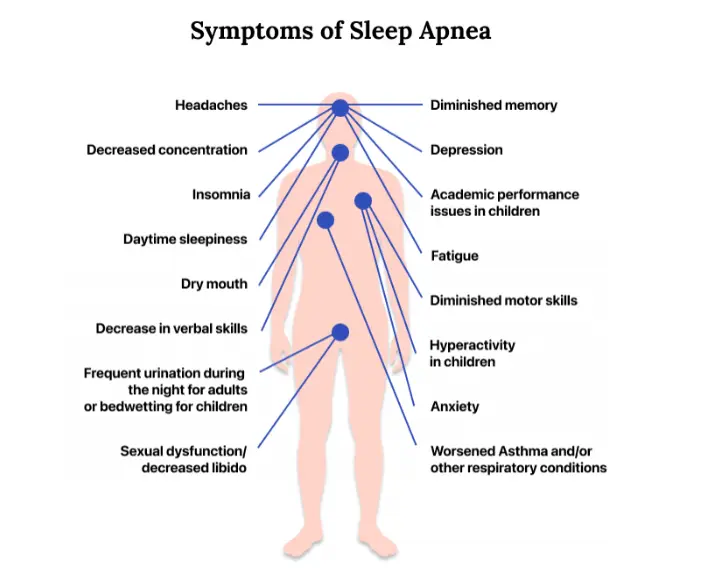
Look at the whole pattern. Swollen ankles plus loud snoring, gasping, morning headaches and heavy daytime sleepiness point toward sleep apnea as a possible factor.
- A bed partner notices breathing pauses.
- You wake up choking or short of breath.
- You need extra pillows to breathe comfortably at night.
- You wake often to urinate.
- Your blood pressure is hard to control.
Watch: Dr. Wells explains how sleep apnea may age the body
Any one of these is common on its own. Together with swelling, they make a sleep evaluation more important.
What Tests Help Find the Cause?
Your doctor will look at the heart, kidneys, liver and veins first. Common tests include blood work, a urine test, an ECG and an echocardiogram, which is an ultrasound of the heart.
An echocardiogram can estimate lung artery pressure and show whether the right side of the heart is strained.
A leg ultrasound checks for clots when swelling is in one leg. A sleep study checks for sleep apnea when nighttime symptoms are present.
Can Treating Sleep Apnea Reduce Swelling?
It may help when sleep apnea is part of the cause. Treating sleep apnea reduces oxygen drops and nighttime blood pressure surges, which is associated with less strain on the heart.
Swelling from other causes still needs its own treatment. Compression, medicine changes or heart failure care may be needed.
Never stop a water pill or blood pressure medicine on your own because of swelling changes. Ask your doctor first.
What Can You Do at Home While You Wait for Answers?
Some simple steps may ease swelling while you arrange a visit. Raising your legs above heart level for short periods and avoiding long stretches of sitting may reduce fluid buildup.
When to See a Doctor
Get urgent care for swelling in one leg with pain or redness, or any swelling with chest pain or sudden shortness of breath. For ongoing swelling in both ankles, see your doctor soon. Dr. Avinesh Bhar recommends a sleep evaluation when leg swelling comes with loud snoring, gasping or needing extra pillows to breathe at night.
Book sooner if you already have heart failure, kidney disease or high blood pressure that is hard to control.
SLIIIP’s sleep physicians evaluate sleep apnea by video and can arrange a home sleep test, working alongside the doctors who manage your heart.
Check Your Insurance Before You Book
SLIIIP works with many major insurance plans. Checking your benefits first takes a few minutes and helps you avoid surprises.

SLIIIP’s board-certified sleep physicians can do sleep evaluations for sleep apnea. Virtual consultations in all 50 states. Home sleep tests shipped to your door.
For cash payments, price for Initial Consultation is $150
Follow up appointments cost $125
Frequently Asked Questions
Can sleep apnea cause swollen ankles?
It can contribute through pulmonary hypertension and right heart strain.
How does sleep apnea affect the right side of the heart?
Low oxygen raises lung artery pressure, making the right heart work harder.
Is sleep apnea linked to pulmonary hypertension?
Yes. NHLBI lists sleep apnea among lung conditions that can contribute to it.
What are other causes of swollen ankles?
Heart, kidney or liver disease, weak veins, clots, medicines, pregnancy and long sitting.
Is swelling in one leg an emergency?
It can be. One-sided swelling with pain or redness may signal a blood clot.
Can heart failure cause swollen ankles?
Yes. Heart failure is a common cause of fluid buildup in the legs.
Is sleep apnea common with heart failure?
Yes. Both obstructive and central sleep apnea are common in heart failure.
Can leg fluid affect sleep apnea?
Fluid from the legs may shift toward the neck at night, which some research links to airway narrowing.
Can medicines cause ankle swelling?
Yes. Calcium channel blockers, steroids and some antidepressants are examples.
What test checks for right heart strain?
An echocardiogram can show right heart strain and estimate lung pressure.
Do I need a sleep test for swollen ankles?
Ask about one if swelling comes with snoring, gasping or daytime sleepiness.
Can CPAP reduce leg swelling?
Treating sleep apnea may reduce heart strain, but other causes still need treatment.
Is obesity linked to swollen ankles and sleep apnea?
Yes. Excess weight is a risk factor for both.
Can sleep apnea cause frequent urination at night?
Yes. Sleep apnea is associated with nighttime urination.
Should I stop my water pill if swelling improves?
No. Never change heart or blood pressure medicines without your doctor.
Does elevating my legs help?
Raising the legs may ease swelling, but it does not treat the cause.
Can compression stockings help?
They may help vein-related swelling. Ask your doctor whether they fit your case.
Who should I see for swollen ankles?
Start with your primary doctor, who may refer you to cardiology or sleep medicine.
Does SLIIIP treat heart failure?
No. SLIIIP evaluates sleep disorders and works alongside your heart care team.
How can SLIIIP help?
SLIIIP's sleep physicians diagnose adult sleep apnea through virtual visits and home sleep tests.
Latest posts
-
What Can a Sleep Test Find Besides Sleep Apnea?
Last updated: November 24, 2026. Medically reviewed by Dr. Avinesh Bhar, Board-Certified Sleep Physician, SLIIIP.com A full lab sleep test can find much more than sleep apnea. It can help…
-
Benefits of a Sleep Study: What You Gain From Knowing
Last updated: November 24, 2026. Medically reviewed by Dr. Avinesh Bhar, Board-Certified Sleep Physician, SLIIIP.com. The main benefit of a sleep study is a clear answer. It shows whether your…
-
Can Sleep Apnea Cause an Enlarged Heart?
Last updated: November 17, 2026. Medically reviewed by Dr. Avinesh Bhar, Board-Certified Sleep Physician, SLIIIP.com. Sleep apnea is associated with heart enlargement, especially thickening of the heart’s main pumping chamber.…
Get updates
Spam-free subscription, we guarantee. This is just a friendly ping when new content is out.

