👉 Register for Free. How to Diagnose Sleep Apnea Faster in Primary Care – FREE Webinar by Dr. Audrey Wells. – Friday, April 24 at 12 PM ET


The Cortisol Switch: Why You Feel Exhausted All Day But “Wired” at Bedtime
Cortisol follows a natural daily rhythm that helps you feel alert in the morning and calm at night, and Dr. Avinesh Bhar, Board-Certified Sleep Physician at SLIIIP.com, explains that when this rhythm gets thrown off, you can feel drained all day yet wide awake at bedtime.
That frustrating mix of daytime exhaustion and nighttime alertness is often a sign your body’s natural rhythm has slipped out of sync.
You drag through the afternoon, count down to bedtime, and then your body flips a switch. Suddenly you are alert, restless, and unable to settle.
SLIIIP’s board-certified sleep physicians can do sleep evaluations for sleep apnea. Virtual consultations in all 50 states. Home sleep tests shipped to your door.
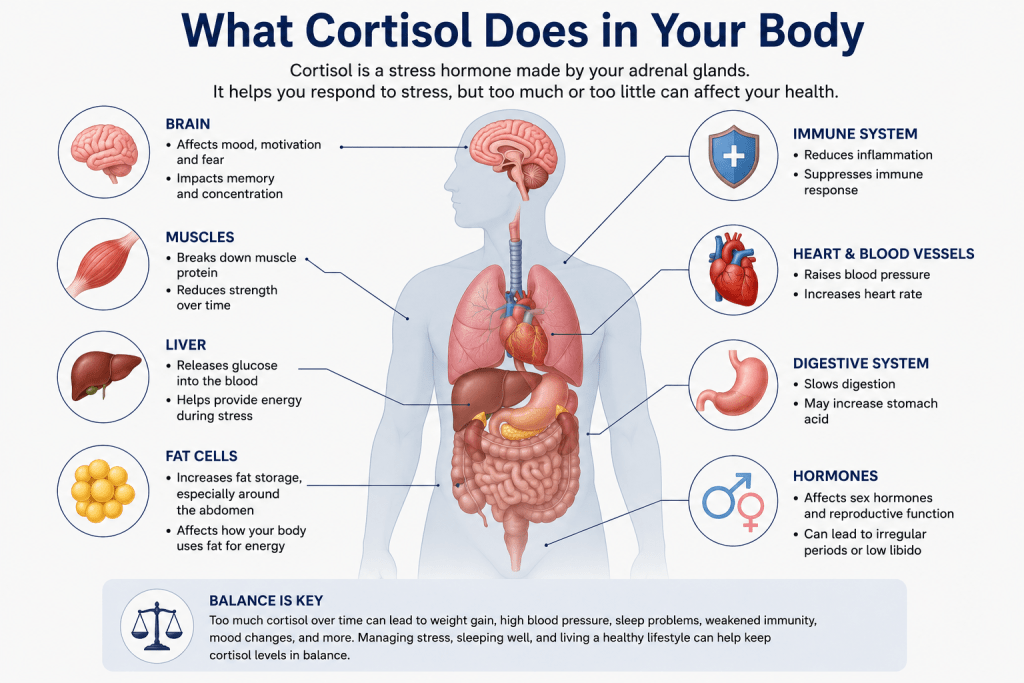
What Cortisol Does in Your Body
Cortisol is a hormone your body makes that helps you feel awake, alert, and ready for the day. It is sometimes called the stress hormone, but it is not a villain. In the right amounts and at the right times, it helps you function.
In a healthy rhythm, this hormone rises in the morning to help you wake up and fall in the evening so you can wind down. That natural curve is part of what helps you feel energized by day and sleepy at night. The timing matters as much as the amount.
The goal of this article is not to diagnose anything or to make medical claims. It is to help you understand a common pattern so you can take simple steps. If your energy and sleep feel out of sync, a sleep telemedicine visit can help you sort it out.
CHECK YOUR SLEEP SYMPTOMS: TAKE THE 2 MINUTE QUIZ
TAKE THE QUIZ
How the Rhythm Can Flip
When life gets stressful or your routine gets thrown off, this daily rhythm can slip. Instead of being high in the morning and low at night, the curve can flatten or shift. The result is the classic tired but wired feeling.
When the natural curve gets disrupted, you may feel low on energy during the day and oddly alert when it is time to sleep. This is the switch many people describe. Your body sends the wrong signal at the wrong time.
Long-term stress, irregular schedules, late screens, and too much caffeine can all play a role. If your mind races at night, our article on when you cannot shut your brain off at night and our piece on why you overthink before bed share gentle strategies.
Why You Feel Exhausted All Day
Daytime exhaustion is one half of this pattern. When your morning energy signal is weak, you may wake up groggy and feel foggy for hours. You lean on coffee, push through, and still feel like you are running on empty.
A weak morning energy signal can leave you dragging through the day no matter how long you spend in bed. This kind of tiredness is real, and it is not a sign of laziness. It often points to a rhythm that needs resetting.
If you wake up tired even after enough hours, our article on why you wake up tired can help you think it through. And if the fatigue never seems to lift, our piece on exhaustion no matter how much you sleep may resonate.
Why You Feel Wired at Bedtime
The other half of the pattern is feeling alert right when you want to sleep. Your body should be winding down, but instead you feel restless, tense, or buzzing. Your mind may race even though your body is tired.
When your evening calm signal is missing, your body stays in go mode long after you crawl into bed. This is the wired feeling that keeps so many people staring at the ceiling. It can be deeply frustrating after an exhausting day.
A natural wind-down depends on other signals too, like the rise of melatonin in the evening. Our article on melatonin and sleep explains this calming signal. When stress keeps you alert, that wind-down can get harder to reach.
The Stress and Sleep Loop
Here is where it becomes a cycle. Stress can flatten your daily rhythm, which hurts your sleep. Poor sleep then raises your stress, which flattens the rhythm even more. Around and around it goes.
Breaking the stress and sleep loop usually starts with small, steady changes rather than one big fix. You do not have to overhaul your life. A few consistent habits can nudge your rhythm back toward balance over time.
Our article on stress, lack of sleep, and weight explores how these pieces connect. And if hormones feel like part of your picture, our piece on hormonal insomnia offers a clear look.
Healthy Habits That May Reset Your Rhythm
Below are simple, wellness-based habits many people find helpful. None of these are treatments or cures. They are everyday steps you can try to support a healthier daily rhythm.
Get morning light. Bright light early in the day helps signal your body to feel alert and sets your rhythm.
Keep a steady schedule. A consistent wake and sleep time helps your body know what to expect.
Move during the day. Light activity supports energy by day and better rest at night.
Watch caffeine timing. Caffeine late in the day can keep you alert when you want to wind down.
Build a wind-down hour. Calm activities and dim light help your body shift toward rest.
Manage stress. Simple calming routines, like slow breathing or a short walk, can ease the pressure.
For more on protecting deeper rest, our guide on reasons for improving the quality of your sleep shares practical ideas. The Centers for Disease Control and Prevention also offers clear guidance on healthy sleep habits.
When Anxiety Is Part of the Picture
For some people, the wired feeling at night comes with worry or anxiety. The mind spins through to-do lists, what-ifs, and replays of the day. This can make the bedtime alertness even stronger.
Calming an anxious mind at night is often more helpful than fighting to force sleep. Gentle routines that ease worry can help your body find its way to rest. Being kind to yourself is part of the process.
If anxious nights sound familiar, our article on why you feel anxious at night shares supportive strategies. If worry feels heavy or constant, please also reach out to a healthcare provider.
Watch: Doctor explains the danger of cortisol on sleep
When to Talk With a Sleep Physician
If the tired but wired pattern sticks around no matter what you try, it may be worth getting a professional look. Sometimes ongoing fatigue and broken sleep point to something a sleep physician can help with.
A sleep evaluation can help you understand what is keeping your energy and sleep out of sync. Dr. Avinesh Bhar and the SLIIIP team can review your sleep history, talk through your symptoms, and arrange a home sleep test if needed.
The process is built around convenience. You can meet a board-certified physician through a virtual visit, and a home sleep test can be shipped right to your door. There is no need to spend a night in a lab. The National Heart, Lung, and Blood Institute also shares clear, supportive guidance on healthy sleep.
At Sliiip, we accept the following insurances:

SLIIIP’s board-certified sleep physicians can do sleep evaluations for sleep apnea. Virtual consultations in all 50 states. Home sleep tests shipped to your door.
Frequently Asked Questions
- What is cortisol?
It is a hormone your body makes that helps you feel awake and alert. It is sometimes called the stress hormone, but it is not a villain in the right amounts. - Why do I feel exhausted all day but wired at night?
This often happens when your body’s natural daily rhythm slips out of sync, sending low-energy signals by day and alert signals at night. - What is the tired but wired feeling?
It is the frustrating mix of daytime exhaustion and nighttime alertness, where you drag all day then feel awake right at bedtime. - Can stress affect my daily rhythm?
Yes. Long-term stress can flatten or shift your natural curve, which may leave you tired during the day and alert at night. - Why am I so tired in the morning?
A weak morning energy signal can leave you groggy and foggy, no matter how long you spend in bed. This often points to a rhythm that needs resetting. - Why can I not wind down at night?
When your evening calm signal is missing, your body stays in go mode, which keeps you alert when you want to sleep. - How does melatonin fit in?
Melatonin is a natural signal that helps you wind down in the evening. When stress keeps you alert, that calming signal can be harder to reach. - What habits can help reset my rhythm?
Morning light, a steady schedule, daytime movement, careful caffeine timing, a wind-down hour, and stress care can all help. - Does morning light really matter?
Yes. Bright light early in the day helps signal your body to feel alert and sets your daily rhythm. - Can caffeine make this worse?
Caffeine late in the day can keep you alert when you want to wind down, which may add to the wired feeling at bedtime. - Is the tired but wired pattern a cycle?
It can be. Stress hurts sleep, and poor sleep raises stress, which can keep the pattern going until you make small, steady changes. - What if anxiety is part of my nights?
Calming an anxious mind with gentle routines often helps more than forcing sleep. If worry feels heavy, please reach out to a healthcare provider. - How much sleep do adults need?
Most adults benefit from at least seven hours of sleep each night to support energy and overall wellbeing. - Can exercise help my rhythm?
Light daytime activity supports energy by day and better rest at night, which can help your rhythm find balance. - What is a home sleep test?
It is a sleep study you can do in your own bed. The device is shipped to you, and the results help a physician understand your nights. - Do I have to visit a lab for a sleep evaluation?
No. SLIIIP offers virtual consultations in all 50 states, and home sleep tests can be shipped to your door. - When should I see a sleep physician?
If the tired but wired pattern sticks around no matter what you try, a professional look can help you understand the cause. - Can poor sleep affect hormones?
Sleep and the body’s daily signals are closely linked. Our article on hormonal insomnia explores this connection further. - What happens during a sleep evaluation?
A physician reviews your sleep history and symptoms and, if needed, arranges a home sleep test to better understand your nights. - How do I get started with SLIIIP?
You can schedule a virtual sleep evaluation online, and a board-certified physician will guide you, including arranging a home sleep test if needed.
Take the Next Step Toward Better Rest
Feeling exhausted all day and wired at night is a real and frustrating pattern, but it is one you can work to change. With steady habits and the right support, your rhythm can find its balance again. You do not have to push through it alone.
SLIIIP’s board-certified sleep physicians can do sleep evaluations for sleep apnea. Virtual consultations in all 50 states. Home sleep tests shipped to your door.
Latest posts
-
Why Can’t I Wake Up Even After Getting Enough Sleep?
Last updated: October 2, 2026. Medically reviewed by Dr. Avinesh Bhar, Board-Certified Sleep Physician, SLIIIP.com. If you can’t wake up after enough sleep, the cause is usually not the number…
-
Why Does My Heart Rate Drop So Low While I Sleep?
Last updated: October 2, 2026. Medically reviewed by Dr. Avinesh Bhar, Board-Certified Sleep Physician, SLIIIP.com. Your heart rate drops low while sleeping mainly because your body needs less work from…
-
Why Are My Naps Never Refreshing?
Last updated: October 2, 2026. Medically reviewed by Dr. Avinesh Bhar, Board-Certified Sleep Physician, SLIIIP.com. Naps that leave you groggy usually come down to how long you sleep, when you…
Get updates
Spam-free subscription, we guarantee. This is just a friendly ping when new content is out.

