👉 Register for Free. How to Diagnose Sleep Apnea Faster in Primary Care – FREE Webinar by Dr. Audrey Wells. – Friday, April 24 at 12 PM ET

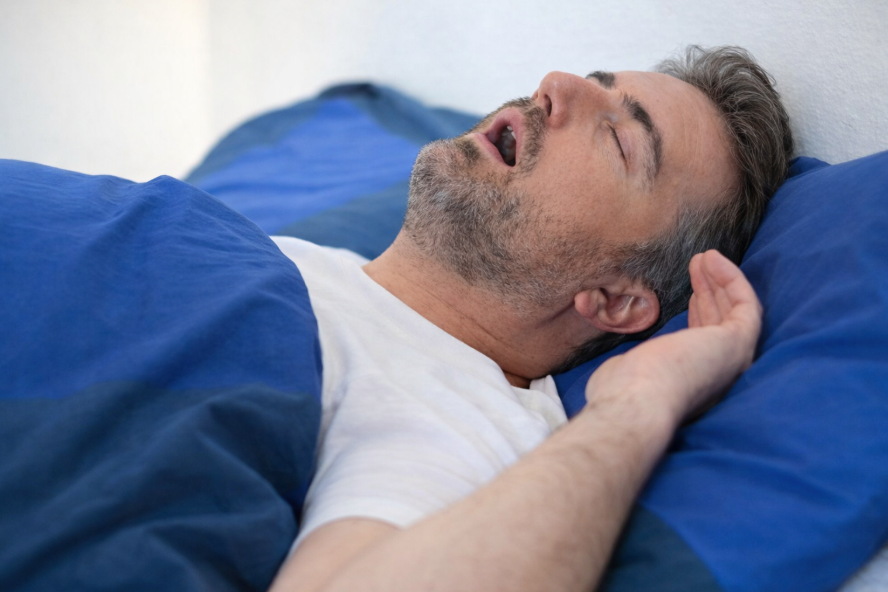
Why Snoring Happens and What You Can Do About It?
It usually starts with a nudge. Your partner taps your shoulder at 2 a.m. and whispers, “You are snoring again.” Or maybe you wake yourself up with a loud snort and lie there wondering how long it has been going on. Either way, the result is the same: disrupted rest for everyone in the room. So you may be wondering “Why snoring happens and what you can do about it”.
Snoring is one of the most common sleep-related experiences. Research suggests that approximately 44 percent of men and 28 percent of women between the ages of 30 and 60 snore on a regular basis, and occasional snoring is even more widespread.
For many people, it is little more than a minor inconvenience. But for others, persistent snoring can signal something deeper, strain relationships, and chip away at sleep quality over time.
Dr. Avinesh Bhar, the Founder of SLIIIP, is also a sleep apnea sufferer. He has helped thousands get the evaluation and support they need, and he and his team of board-certified sleep medicine physicians can help you too. This guide breaks down everything you need to know about how to stop snoring so you can find the approach that works best for your situation.
Book a Sleep Evaluation With Our Board-Certified Sleep Doctors
SLIIIP’s team of board-certified sleep medicine physicians is licensed in 40 states and ready to help. No referral needed. No long waits. Consultations happen from the comfort of your home via telemedicine.
We can help with: Snoring Evaluation, Sleep Apnea Screening and Diagnosis, Home Sleep Testing, CPAP Therapy and Management, Oral Appliance Therapy, Mandibular Advancement Devices, Chronic Fatigue and Daytime Sleepiness, Sleep-Related Breathing Disorders.
We accept Medicare, Tricare, and most major insurance plans. Book your appointment today.

The good news is that there are practical, evidence-informed steps you can take to reduce or manage snoring. Understanding what causes it is the best place to start.
What Causes Snoring
Snoring occurs when air cannot flow freely through the nose and throat during sleep. As you breathe, the relaxed tissues in your airway vibrate, producing the familiar rattling or rumbling sound. The narrower the airway, the more forceful the airflow becomes, and the louder the vibration.
Several factors can contribute to airway narrowing during sleep. Some are structural, like the natural shape of your mouth, throat, and nasal passages. Others are influenced by lifestyle, habits, or temporary conditions. Understanding which factors apply to you is the key to finding the right approach.
Sleep Position
Sleeping on your back allows gravity to pull the tongue and soft tissues toward the back of the throat, narrowing the airway. This is one of the most common contributors to snoring, and for many people, it is also one of the easiest to address. Research shows that sleeping on your side can significantly reduce both the intensity and frequency of snoring. If you have wondered whether changing your sleep position could make a difference, the evidence is encouraging.

Excess Weight
Carrying extra weight, particularly around the neck and throat area, can compress the airway and increase the likelihood of snoring. Weight gain around the neck squeezes the internal diameter of the throat, making it more likely to collapse during sleep. For some people, weight management can lead to noticeable improvements in snoring.
Alcohol and Sedatives
Alcohol and certain medications relax the muscles in the back of the throat more than usual, increasing the chances of airway obstruction. Drinking alcohol within four to five hours of bedtime has been shown to worsen snoring, even in people who do not normally snore.
Nasal Congestion and Allergies
When your nasal passages are blocked, whether from a cold, allergies, or a structural issue like a deviated septum, you are more likely to breathe through your mouth during sleep. Mouth breathing changes the airflow dynamics and often increases snoring. Chronic allergies that cause mucus buildup and nasal congestion can be a persistent contributor.
Age and Muscle Tone
As you age, the muscles in your throat naturally lose some of their tone. This relaxation can allow tissues to sag into the airway more easily during sleep, which is one reason snoring tends to become more common in middle age and beyond.
Anatomy
Some people are simply built in a way that makes snoring more likely. A naturally narrow airway, enlarged tonsils, a long soft palate, or a large tongue base can all restrict airflow. These structural factors are not something you can change through lifestyle alone, but they can be managed with the right support.
Practical Steps to Reduce Snoring
Most approaches to snoring management start with simple lifestyle adjustments. These strategies are low-risk, easy to implement, and often surprisingly effective.
Adjust Your Sleep Position
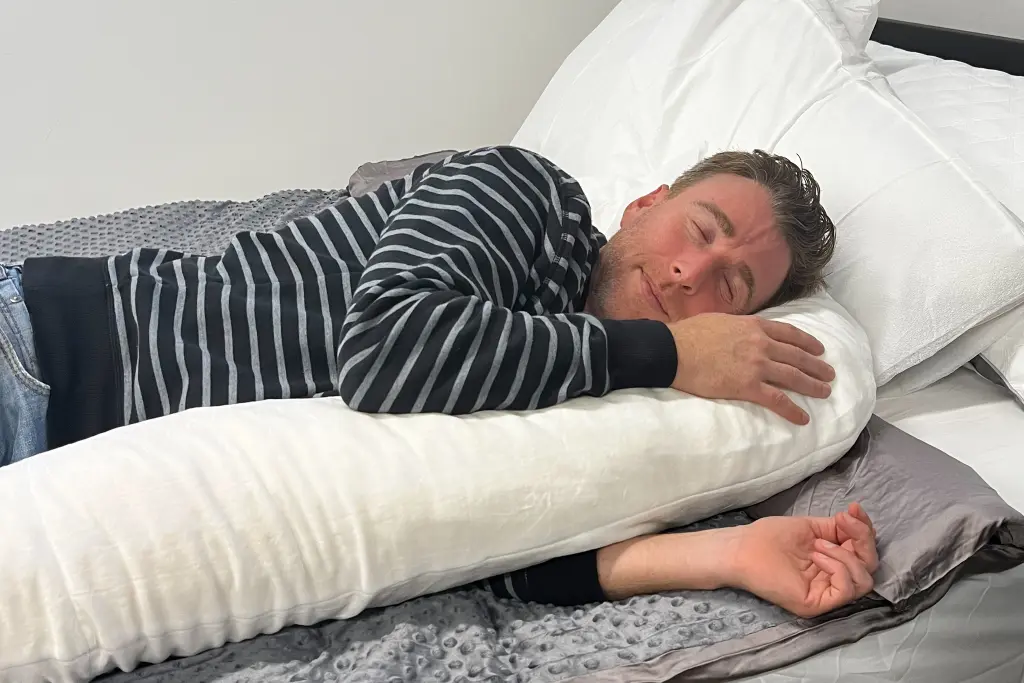
If you tend to sleep on your back, switching to your side is one of the simplest changes you can make. A body pillow can help you maintain a side-sleeping position through the night. Some people find it helpful to place a tennis ball in a pocket sewn onto the back of their sleep shirt, which naturally discourages rolling onto the back. Elevating the head of your bed by a few inches using bed risers or a wedge pillow can also help keep the airway more open.
Maintain a Healthy Weight
If you have gained weight and noticed that snoring started or worsened around the same time, weight management may be helpful. Even a modest reduction can sometimes make a meaningful difference in airway openness during sleep. Of course, not everyone who snores is overweight, and thin individuals snore too, so this approach is most relevant when weight gain and snoring have occurred together.
Limit Alcohol Before Bed
Avoiding alcohol in the four to five hours before bedtime can help keep throat muscles from relaxing excessively during sleep. This applies to sedative medications as well, though any changes to medication should always be discussed with a healthcare provider.
Keep Nasal Passages Clear
If nasal congestion is a factor, there are several options worth exploring. Adhesive nasal strips placed on the bridge of the nose can help widen the nasal passages and reduce airflow resistance. Nasal dilators, which gently open the nostrils, serve a similar function. For allergy-related congestion, managing allergies with appropriate support from a healthcare provider can address the root cause. A hot shower before bed or saline nasal rinses can also help open nasal passages temporarily.
Practice Good Sleep Habits
Sleep deprivation itself can worsen snoring. When you are overtired, your muscles relax more deeply than usual, increasing the likelihood of airway obstruction. For more guidance on building a strong nightly routine, the sleep routine guide on SLIIIP offers practical ideas.
💤 Sleep Deprivation Checklist
Check any that apply to you:
😴 Sleep & Energy
- ☐ You sleep less than 7 hours most nights
- ☐ You wake up unrefreshed, even after “enough” sleep
- ☐ You feel exhausted by mid-morning or afternoon
- ☐ You rely on caffeine to get through the day
- ☐ You fall asleep quickly but still feel tired
🧠 Brain & Focus
- ☐ Trouble concentrating or staying focused
- ☐ Forgetfulness or brain fog
- ☐ Slower reaction time
- ☐ Difficulty making decisions
- ☐ Zoning out during conversations or tasks
😬 Mood & Emotions
- ☐ Irritability or short temper
- ☐ Anxiety feels worse with little sleep
- ☐ Low motivation
- ☐ Feeling overwhelmed by small things
- ☐ Low mood or depressive feelings
🫀 Physical Symptoms
- ☐ Frequent headaches
- ☐ Muscle aches or tension
- ☐ Weakened immune system (getting sick often)
- ☐ Increased appetite or sugar cravings
- ☐ Weight gain or difficulty losing weight
🛌 Nighttime Red Flags
- ☐ Trouble falling asleep
- ☐ Waking up frequently at night
- ☐ Snoring or gasping during sleep
- ☐ Restless or light sleep
- ☐ Racing thoughts at bedtime
Stay Hydrated
Dehydration can make the secretions in your nose and soft palate stickier, which may contribute to snoring. Drinking enough water throughout the day is a simple habit that supports overall airway comfort.
Quit or Reduce Smoking
Smoking irritates the membranes in the nose and throat, causing inflammation and swelling that can narrow the airway. The nasal congestion associated with smoke exposure is a well-documented contributor to snoring. Reducing or stopping smoking can lead to improvements over time.
When Lifestyle Changes Are Not Enough
For some people, snoring persists even after making all the right adjustments. When that happens, it may be time to explore additional options with a healthcare provider.
Oral Appliances
A mandibular advancement device is a custom-fitted mouthpiece that gently repositions the lower jaw and tongue forward during sleep, helping to keep the airway open. These devices are most effective when fitted by a dental professional or sleep specialist, and they are a popular option for people who want a non-invasive approach. SLIIIP offers the myTAP oral appliance, which provides a precision fit designed for comfort and airway support. You can also explore more options in the guide to sleep apnea mouth guards.

CPAP Therapy
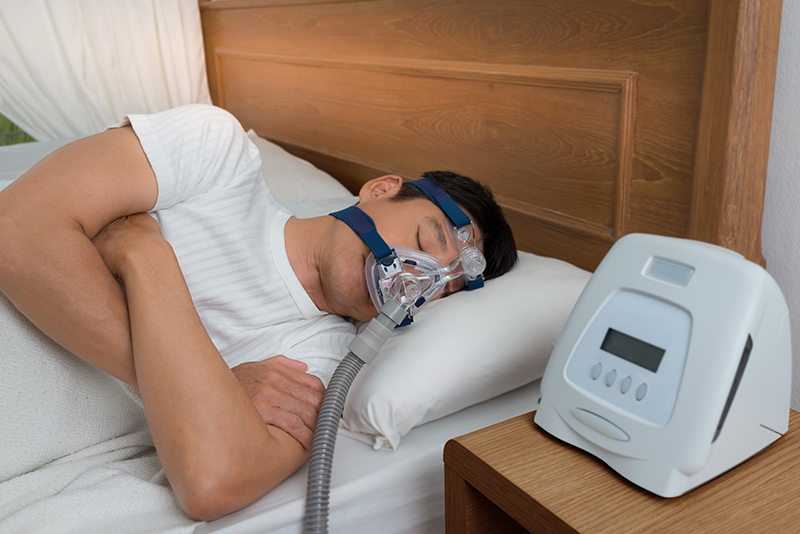
If snoring is related to obstructive sleep apnea, continuous positive airway pressure therapy may be recommended. A CPAP machine delivers a steady stream of air through a mask, keeping the airway open throughout the night. While CPAP is primarily used for sleep apnea, it is highly effective at eliminating associated snoring.
Positional Therapy Devices
For people whose snoring is primarily related to sleeping on their back, specialized positional therapy devices, such as wearable vests or vibrating sensors, can encourage side sleeping throughout the night. Research has shown mixed results across different products, but vests with inflatable chambers have demonstrated meaningful reductions in snoring frequency.
When to See a Healthcare Provider
Persistent, loud snoring, especially when accompanied by gasping, choking sounds, or pauses in breathing observed by a partner, warrants a conversation with a healthcare provider. These may be signs of sleep apnea, a condition that involves repeated interruptions in breathing during sleep. An estimated 75 percent of people who snore regularly may have some degree of obstructive sleep apnea.
Other signals that suggest a professional evaluation may be helpful include excessive daytime fatigue, morning headaches, difficulty concentrating, and waking up choking or gasping. A sleep evaluation, which can often be done through a home sleep test, can help determine whether something more than simple snoring is at play.
Snoring and Relationships
It is worth acknowledging that snoring does not just affect the person doing it. Partners and household members often experience significant sleep disruption, which can create frustration, resentment, and even conflict. The concept of sleep divorce, where couples choose to sleep in separate rooms, has become increasingly common as a practical response to snoring-related sleep disruption.
Addressing snoring is not just about personal comfort. It is about protecting the quality of rest for everyone around you, and in many cases, it is about strengthening the relationships that matter most.
Strengthening Your Airway Through Exercise
An emerging area of interest is the use of targeted exercises to strengthen the muscles of the mouth, tongue, and throat. Often called myofunctional therapy or oropharyngeal exercises, these routines involve simple movements like tongue slides, palate stretches, and vowel repetitions performed daily. While research is still evolving, some studies suggest that these exercises can reduce both the frequency and intensity of snoring by improving muscle tone in the upper airway.
These exercises are most effective as part of a broader approach and are not a substitute for professional evaluation when snoring is severe or accompanied by other symptoms.
Snoring Not Improving? Talk to a Sleep Specialist.
SLIIIP’s board-certified sleep medicine physicians are licensed in 40 states and can help determine whether your snoring is related to sleep apnea or another underlying concern. Get evaluated from home with no referral required.
We can help with: Snoring Assessment, Sleep Apnea Evaluation and Diagnosis, Home Sleep Testing, CPAP Therapy and Management, Oral Appliance and Mandibular Advancement Device Fitting, Excessive Daytime Sleepiness, Sleep-Related Breathing Disorders.
We accept Medicare, Tricare, and most major insurance plans. Schedule your evaluation now.
Frequently Asked Questions
What is the most effective way to stop snoring?
The most effective approach depends on the underlying cause. For many people, sleeping on their side, maintaining a healthy weight, and avoiding alcohol before bed are enough. When snoring persists, oral appliances or CPAP therapy may offer more targeted support.
Can snoring be a sign of something serious?
Yes. Persistent loud snoring, especially when accompanied by gasping, choking, or breathing pauses, may indicate obstructive sleep apnea. A sleep evaluation can help determine whether further support is needed.
Does sleeping on your side really help with snoring?
Research supports that side sleeping can significantly reduce snoring in many people by preventing the tongue and soft tissues from collapsing into the airway.
Can losing weight stop snoring?
For people who began snoring after gaining weight, weight loss can sometimes reduce or eliminate snoring. However, snoring can affect people of any body type, so weight is not always the primary factor.
Do nasal strips work for snoring?
Nasal strips can help reduce snoring caused by nasal congestion by widening the nasal passages and improving airflow. They are most effective for people whose snoring originates in the nose rather than the throat.
Is snoring more common in men or women?
Snoring is more commonly reported in men, with approximately 44 percent of men and 28 percent of women in middle age snoring regularly. However, snoring in women often increases after menopause.
Can allergies cause snoring?
Yes. Allergies cause nasal congestion and inflammation, which can block airflow and increase the likelihood of snoring. Managing allergies effectively can help reduce snoring caused by nasal obstruction.
What is a mandibular advancement device?
A mandibular advancement device is a mouthpiece that positions the lower jaw slightly forward during sleep, helping to keep the airway open and reduce snoring. Custom-fitted options from a dental professional or sleep specialist tend to be most effective. Learn more about mandibular advancement devices and how they work.
Does alcohol make snoring worse?
Yes. Alcohol relaxes the muscles in the throat, increasing the likelihood of airway obstruction. Avoiding alcohol in the four to five hours before bedtime can help reduce snoring.
Can dehydration cause snoring?
Dehydration can make secretions in the nose and soft palate stickier, potentially contributing to snoring. Staying well hydrated throughout the day may help reduce this effect.
When should I see a doctor about snoring?
You should consider seeing a healthcare provider if your snoring is loud and persistent, if a partner has noticed breathing pauses or gasping during your sleep, if you experience excessive daytime fatigue, or if snoring is affecting your relationship or quality of life.
Can children snore?
Yes. Snoring in children can be caused by enlarged tonsils or adenoids, allergies, or other factors. Persistent snoring in children should be discussed with a pediatrician.
Does mouth taping help with snoring?
Some people use mouth taping to encourage nasal breathing during sleep, which may reduce snoring in certain cases. It is important to use products designed for this purpose and to consult a healthcare provider before trying this approach, especially if you have breathing difficulties.
Can a pillow help with snoring?
Specialized pillows designed to promote side sleeping or elevate the head can help reduce snoring for some people. The guide to sleep apnea pillows on SLIIIP offers detailed comparisons to help you find the right option.
Is snoring genetic?
Anatomical factors that contribute to snoring, such as a narrow airway, large tongue base, or long soft palate, can be inherited. If snoring runs in your family, you may be more likely to experience it yourself.
Can throat exercises really reduce snoring?
Some research suggests that exercises targeting the muscles of the mouth, tongue, and throat can improve muscle tone and reduce snoring frequency and intensity. These exercises are most helpful as part of a comprehensive approach.
Does snoring get worse with age?
Snoring tends to become more common and more pronounced with age, partly due to natural loss of muscle tone in the throat. Hormonal changes, weight changes, and reduced physical activity can also contribute.
Can a humidifier help with snoring?
A humidifier can help if dry air is irritating your nasal passages and throat. Adding moisture to the air may reduce congestion and make breathing more comfortable during sleep.
What is the difference between snoring and sleep apnea?
Snoring is the sound produced by vibrating tissues in the airway. Sleep apnea involves actual pauses in breathing during sleep, often accompanied by snoring. Not everyone who snores has sleep apnea, but loud, habitual snoring is a common feature of the condition. For a deeper understanding, the relationship between sleep apnea and snoring is explored in more detail on SLIIIP.
How do I know if my snoring needs a sleep test?
If your snoring is loud, occurs most nights, is accompanied by gasping or choking, or if you feel excessively tired during the day despite adequate time in bed, a home sleep apnea test can help identify whether obstructive sleep apnea is a factor.
Can stress cause snoring?
Stress itself does not directly cause snoring, but it can contribute to poor sleep habits, alcohol use, weight gain, and muscle tension, all of which can worsen snoring over time.
Latest posts
-
Why Are My Naps Never Refreshing?
Last updated: October 2, 2026. Medically reviewed by Dr. Avinesh Bhar, Board-Certified Sleep Physician, SLIIIP.com. Naps that leave you groggy usually come down to how long you sleep, when you…
-
Is Sleeping Too Much a Sleep Disorder?
Last updated: October 2, 2026. Medically reviewed by Dr. Avinesh Bhar, Board-Certified Sleep Physician, SLIIIP.com. Sleeping too much is not always a sleep disorder, but it can be a sign…
-
Why Does My Insomnia Get Worse After Stopping Sleep Medication?
Last updated: October 2, 2026. Medically reviewed by Dr. Avinesh Bhar, Board-Certified Sleep Physician, SLIIIP.com. Insomnia can get worse after stopping sleep medication for three main reasons. They are rebound…
Get updates
Spam-free subscription, we guarantee. This is just a friendly ping when new content is out.

