👉 Register for Free. How to Diagnose Sleep Apnea Faster in Primary Care – FREE Webinar by Dr. Audrey Wells. – Friday, April 24 at 12 PM ET

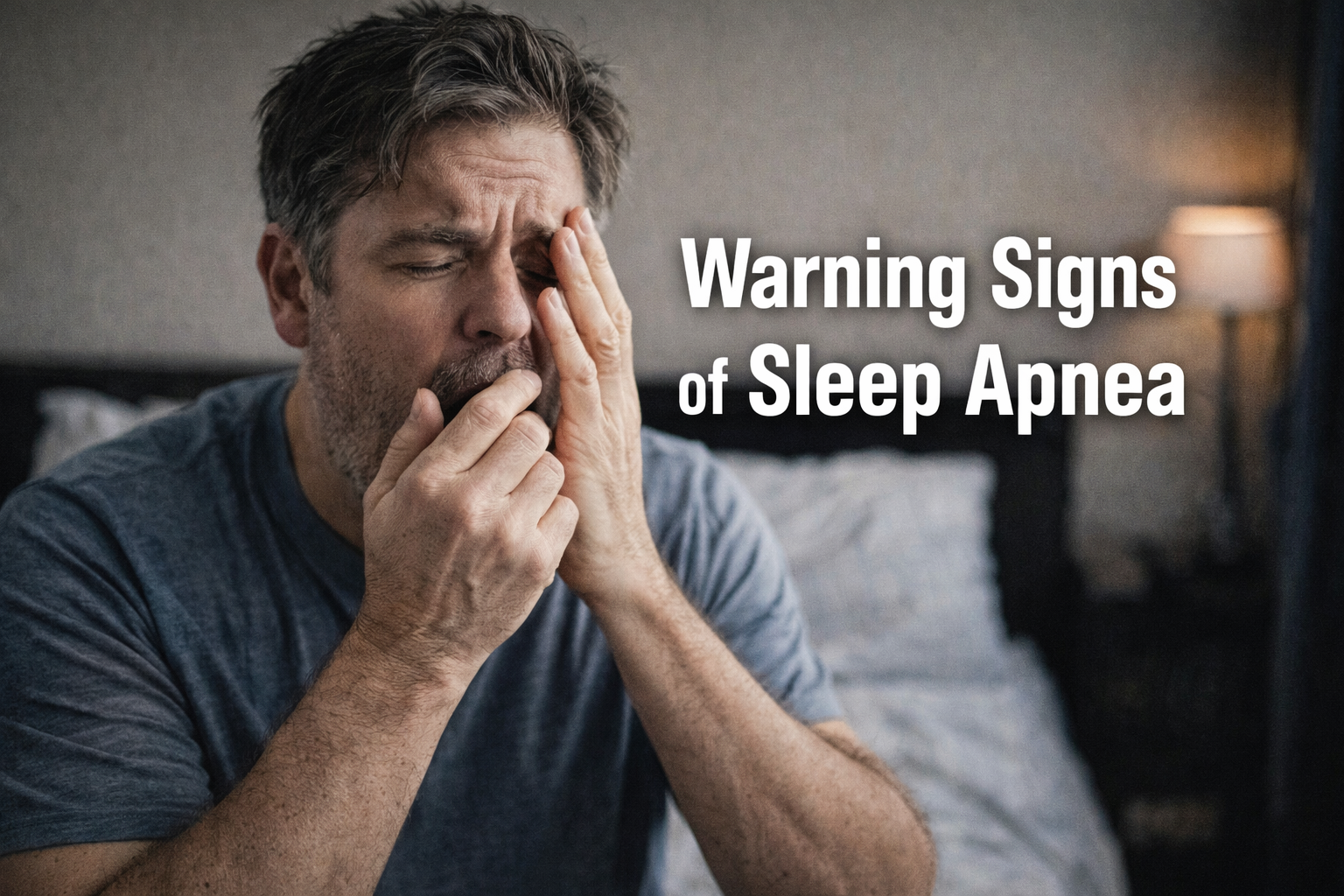
10 Warning Signs You Might Have Obstructive Sleep Apnea
Obstructive sleep apnea warning signs are frequently mistaken for stress, poor sleep habits, or aging. Loud snoring, waking unrefreshed, morning headaches, and daytime fatigue are among the clearest signals. If you recognize three or more of these patterns, a board-certified sleep physician should evaluate your breathing during sleep.
Medically reviewed by Dr. Avinesh Bhar, Board Certified Sleep Physician at Sliiip.com
Most people with obstructive sleep apnea do not know they have it. The signs are present every night. They just look like something else.
You blame stress for your fatigue. You blame the mattress for your restless sleep. You blame your schedule for the mental fog that follows you through the day.
The real cause may be happening while you sleep, and a simple home sleep test can confirm it.
More than 80% of people with obstructive sleep apnea remain undiagnosed, according to the American Academy of Sleep Medicine. That is 30 million Americans quietly losing sleep quality, cardiovascular health, and mental sharpness every night.
SLIIIP’s board-certified sleep physicians can do sleep evaluations for sleep apnea. Virtual consultations in all 50 states. Home sleep tests shipped to your door.
Myth vs. Reality: What Most People Get Wrong About Sleep Apnea
Myth: Only overweight, middle-aged men who snore loudly have sleep apnea.
Reality: Obstructive sleep apnea affects people of all body types, ages, and genders. Women, thin individuals, and even non-snorers are diagnosed every day. The condition is dramatically underdiagnosed in populations that do not fit the stereotypical profile.
If you have been told you do not look like someone with sleep apnea, that is exactly the kind of assumption that keeps people undiagnosed for years.
Take the First Step Today
Sliiip has completed more than 10,000 consultations with patients across the country. No referral is required. Home sleep testing is available in 43 states and expanding.
Warning Sign 1: Loud, Persistent Snoring
Snoring is the most recognized obstructive sleep apnea warning sign. It occurs when the airway partially collapses during sleep, forcing air through a narrowed passage.
Not all snorers have sleep apnea. But loud, frequent snoring that disrupts your bed partner is a clinical red flag. If the snoring includes pauses or gasping sounds, the probability of obstructive sleep apnea increases significantly.
Learn more: Sleep Apnea and Snoring
Warning Sign 2: Waking Up Feeling Unrefreshed
You sleep for seven or eight hours. You still feel exhausted when the alarm goes off. This is not normal, and it is not just about sleep duration.
Obstructive sleep apnea fragments your sleep architecture. Each breathing event partially arouses the brain, preventing the deep, restorative stages that the body depends on. The result is cumulative sleep deprivation regardless of hours logged.
Learn more: Why Am I Exhausted No Matter How Much I Sleep
Warning Sign 3: Morning Headaches
Waking with a headache at the base of your skull or across your forehead is a frequently overlooked obstructive sleep apnea warning sign. Repeated drops in oxygen during the night cause blood vessels in the brain to dilate, which produces the characteristic morning headache.
These headaches typically resolve within an hour of waking. Many patients attribute them to dehydration, poor posture, or tension. A sleep evaluation often reveals a different cause.
Learn more: Top Reasons for Waking Up With Headaches
Warning Sign 4: Excessive Daytime Sleepiness
Feeling drowsy in meetings, struggling to stay awake while driving, falling asleep on the couch within minutes of sitting down. These are not personality traits. They are symptoms.
Excessive daytime sleepiness is one of the most clinically significant obstructive sleep apnea warning signs. It reflects cumulative oxygen deprivation and sleep fragmentation from the night before. Physicians use a validated scale called the Epworth Sleepiness Scale to measure this symptom. If you score above 10, a sleep evaluation is warranted.
Warning Sign 5: Witnessed Apneas or Choking Episodes
If your bed partner has ever watched you stop breathing during sleep, that is not something to dismiss. Witnessed apneas, where breathing pauses for 10 seconds or longer, are a direct signal of obstructive sleep apnea.
Waking suddenly with a choking sensation or gasping for breath is the individual’s version of the same event. The airway collapses, oxygen drops, and the brain forces a partial awakening to restore breathing. Some patients experience this dozens of times per hour without fully waking.
Warning Sign 6: Frequent Nighttime Urination (Nocturia)
Waking two or more times per night to urinate is commonly attributed to the bladder, aging, or hydration habits. In many cases, the real driver is obstructive sleep apnea.
When the body struggles to breathe during sleep, pressure changes in the chest trigger the release of a hormone that signals the kidneys to produce more urine. Treating the underlying breathing issue often resolves the nocturia entirely. If you are waking for the bathroom multiple times each night, your breathing pattern deserves evaluation.
Warning Sign 7: Mood Changes, Irritability, or Depressive Symptoms
Chronic sleep fragmentation disrupts neurotransmitter regulation. People with untreated obstructive sleep apnea frequently experience irritability, low mood, reduced motivation, and heightened anxiety.
These symptoms are often treated in isolation, with therapy or medication, while the underlying sleep disorder is never addressed. If you are experiencing mood changes alongside any other signs on this list, a sleep evaluation should be part of your care plan.
Learn more: Sleep Apnea Symptoms in Women
Warning Sign 8: High Blood Pressure, Especially If Treatment-Resistant
Obstructive sleep apnea is one of the most common secondary causes of high blood pressure. Repeated oxygen desaturations during the night activate the sympathetic nervous system, which keeps blood pressure chronically elevated even during the day.
If your blood pressure is difficult to control despite medication, or if you have been told you have resistant hypertension, ask your physician about sleep apnea. Research published through the American Heart Association has identified OSA as a major modifiable cardiovascular risk factor.
Learn more: Can Sleep Apnea Cause Heart Disease
Warning Sign 9: Brain Fog, Poor Concentration, or Memory Gaps
If you find yourself rereading the same paragraph, losing your train of thought mid-sentence, or struggling to retain information, your sleep quality may be the cause.
The brain consolidates memory during deep sleep stages. Obstructive sleep apnea prevents sustained deep sleep. The cognitive symptoms that follow are real, measurable, and often misattributed to stress, ADHD, or early aging. Restoring normal sleep architecture consistently improves cognitive function in patients who receive proper evaluation and care.
Warning Sign 10: Dry Mouth or Sore Throat on Waking
Waking with a dry, scratchy throat or cracked lips is a sign that your mouth opened during sleep to compensate for restricted nasal airflow. This is a secondary indicator of obstructive sleep apnea, particularly in people who breathe through their mouths at night due to airway resistance.
Persistent dry mouth upon waking, especially when combined with snoring or fatigue, warrants a sleep evaluation.
What Happens When Obstructive Sleep Apnea Goes Untreated
The consequences extend well beyond feeling tired. Untreated obstructive sleep apnea is associated with increased risk of high blood pressure, heart disease, stroke, and metabolic disruption.
The longer it goes unaddressed, the greater the cumulative burden on your cardiovascular and neurological health. This is not a wait-and-see condition.
Expert Perspective
Q: Who should consider getting evaluated for obstructive sleep apnea?
Dr. Avinesh Bhar, Board Certified Sleep Physician at Sliiip.com, responds:
Anyone experiencing three or more of the warning signs described above deserves a proper evaluation. Sleep apnea does not always look like the textbook case. Many of my patients are women, normal-weight individuals, or people in their 30s who were told for years that their symptoms were due to stress. A home sleep test is non-invasive, done in your own bed, and gives us objective data. There is no reason to keep guessing.
SLIIIP’s board-certified sleep physicians can do sleep evaluations for sleep apnea. Virtual consultations in all 50 states. Home sleep tests shipped to your door.
Watch: SIDE SLEEPING IN OBSTRUCTIVE SLEEP APNEA
How Obstructive Sleep Apnea Is Evaluated
At Sliiip, evaluation begins with a telemedicine consultation with a board-certified sleep physician. If a sleep study is indicated, you receive a home sleep test using FDA-cleared devices that you wear overnight in your own bed.
No sleep lab. No overnight hospital stay. Results are reviewed by your physician and a care plan is developed from there. Learn more about home sleep testing.
Not Sure if Your Symptoms Add Up?
Take the Sleep Apnea Quiz to assess your risk level before your consultation.
Lifestyle Factors That Amplify Obstructive Sleep Apnea Warning Signs
These factors do not cause OSA, but they worsen its severity and make symptoms harder to distinguish from other causes.
Sleep position: Sleeping on your back increases the likelihood of airway collapse. Side sleeping reduces event frequency in many patients.
Alcohol and sedatives: Both relax the muscles of the throat and worsen airway obstruction during sleep.
Sleep debt: Cumulative sleep deprivation increases the intensity of daytime symptoms, making fatigue, mood changes, and cognitive effects more pronounced.
Nasal congestion: Chronic congestion increases the work of breathing and can worsen OSA severity by forcing mouth breathing.
Addressing these factors may reduce symptom severity. They do not replace evaluation or treatment.
Get Evaluated. Stop Guessing.
Sliiip physicians have completed more than 10,000 sleep consultations with patients across the country. No referral is required. Home sleep testing is available in your state. Major insurance, Medicare, and Tricare are accepted. Cash pay options are also available.

Are these warning signs familiar? Your next step is a conversation with a board-certified sleep physician.
No referral needed. Available in 43 states. Expanding to all 50 states in 2026.
Frequently Asked Questions
What are the most common obstructive sleep apnea warning signs in adults?
The most common warning signs include loud snoring, waking unrefreshed despite adequate sleep, morning headaches, excessive daytime sleepiness, witnessed pauses in breathing, and nighttime choking or gasping. Mood changes, high blood pressure, and frequent nighttime urination are also clinically significant indicators. If you recognize three or more of these, a sleep evaluation is appropriate.
Can you have obstructive sleep apnea without snoring?
Yes. While snoring is common in OSA, a meaningful percentage of patients, particularly women, do not snore loudly. They may instead experience insomnia, fatigue, mood disturbance, and morning headaches. The absence of snoring does not rule out obstructive sleep apnea. A home sleep test measures breathing events objectively, independent of snoring patterns.
How do I know if my fatigue is from sleep apnea or something else?
Fatigue from obstructive sleep apnea is typically present every morning regardless of sleep duration, and is accompanied by one or more additional warning signs such as snoring, morning headaches, or brain fog. If your fatigue persists after adequate sleep and is not explained by another medical condition, a sleep evaluation is the appropriate next step.
What is a home sleep test and how does it work?
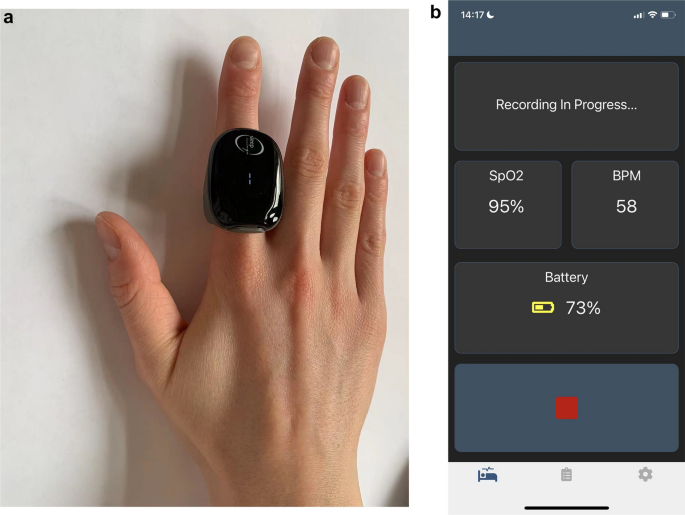
A home sleep test is an FDA-cleared device worn overnight in your own bed. It measures your breathing patterns, oxygen levels, and heart rate during sleep. Results are reviewed by a board-certified sleep physician, who uses the data to determine whether obstructive sleep apnea is present and to guide your care plan.
Do I need a referral to see a sleep physician at Sliiip?
No referral is required. You can book a telemedicine consultation directly with a board-certified sleep physician. Sliiip accepts major insurance, Medicare, and Tricare. Cash pay options are available for patients without insurance.
Are obstructive sleep apnea warning signs different in women?
Yes. Women with OSA more commonly report insomnia, fatigue, morning headaches, mood changes, and anxiety rather than loud snoring and witnessed apneas. This atypical presentation leads to frequent underdiagnosis in women. Hormonal transitions such as perimenopause and menopause significantly increase risk.
Can morning headaches really be caused by sleep apnea?
Yes. Morning headaches are a recognized clinical symptom of obstructive sleep apnea. They occur due to repeated drops in blood oxygen during the night, which cause cerebral blood vessels to dilate. These headaches typically resolve within 30 to 60 minutes of waking. If you experience them consistently, a sleep evaluation is warranted.
What happens if obstructive sleep apnea is left untreated?
Untreated OSA is associated with elevated blood pressure, increased cardiovascular risk, cognitive decline, and metabolic disruption. The longer it goes unaddressed, the greater the cumulative physiological burden. Early identification and evaluation allow for timely intervention through evidence-based approaches.
How many warning signs do you need before getting evaluated?
Three or more warning signs is a reasonable threshold to seek evaluation. However, even a single high-impact sign, such as witnessed apneas, choking awakenings, or treatment-resistant hypertension, is sufficient reason to speak with a board-certified sleep physician.
Can lifestyle changes eliminate obstructive sleep apnea warning signs?
Lifestyle adjustments such as side sleeping, reducing alcohol, and managing nasal congestion can reduce symptom intensity in some patients. They do not eliminate the underlying airway anatomy or resolve the condition. A physician evaluation is the only way to determine the nature and severity of your breathing pattern during sleep.
Is obstructive sleep apnea more common with age?
OSA prevalence increases with age, but it is not exclusively a condition of older adults. Younger adults, including those in their 20s and 30s, are diagnosed regularly. Age-related changes in muscle tone and airway structure increase susceptibility over time, but anatomy, weight, and nasal structure contribute at any age.
What is the difference between obstructive sleep apnea and central sleep apnea?
Obstructive sleep apnea occurs when the airway physically collapses during sleep. Central sleep apnea occurs when the brain fails to send the correct signals to the breathing muscles. OSA is far more common. A proper sleep study distinguishes between the two, which is important because the care approaches differ.
SLIIIP’s board-certified sleep physicians can do sleep evaluations for sleep apnea. Virtual consultations in all 50 states. Home sleep tests shipped to your door.
Latest posts
-
RingConn vs Oura: Which Smart Ring Tracks Sleep Better?
Last updated: September 10, 2026. Medically reviewed by Dr. Avinesh Bhar, Board-Certified Sleep Physician, SLIIIP.com. RingConn and Oura both track sleep through a finger-worn ring, but they differ most in…
-
Withings ScanWatch Sleep Tracking Accuracy: What It Can and Cannot Tell You
Last updated: September 10, 2026. Medically reviewed by Dr. Avinesh Bhar, Board-Certified Sleep Physician, SLIIIP.com. Withings ScanWatch is a hybrid analog watch that tracks sleep stages and can flag nighttime…
-
Are Cheap Fitness Trackers Accurate for Sleep?
September 10, 2026. Medically reviewed by Dr. Avinesh Bhar, Board-Certified Sleep Physician, SLIIIP.com. Cheap fitness trackers can be reasonably accurate at telling you when you fell asleep and woke up,…
Get updates
Spam-free subscription, we guarantee. This is just a friendly ping when new content is out.

