👉 Register for Free. How to Diagnose Sleep Apnea Faster in Primary Care – FREE Webinar by Dr. Audrey Wells. – Friday, April 24 at 12 PM ET

Postpartum Depression Screening Test and Sleep Guide
A postpartum depression screening test is a short clinical questionnaire used to spot signs of depression in new parents after childbirth. The most common tool is the Edinburgh Postnatal Depression Scale. It takes five minutes. It asks ten questions. And it can be the first step toward getting the right help.
According to Dr. Avinesh Bhar, Board Certified Sleep Physician at Sliiip.com, the connection between postpartum sleep and postpartum mood is one of the most overlooked issues new parents face. Most providers give a postpartum depression screening test at the six-week visit. Very few ask about sleep quality at the same time. Dr. Bhar’s clinical perspective shapes this entire guide.
You brought a baby home. Everyone says you should feel happy.
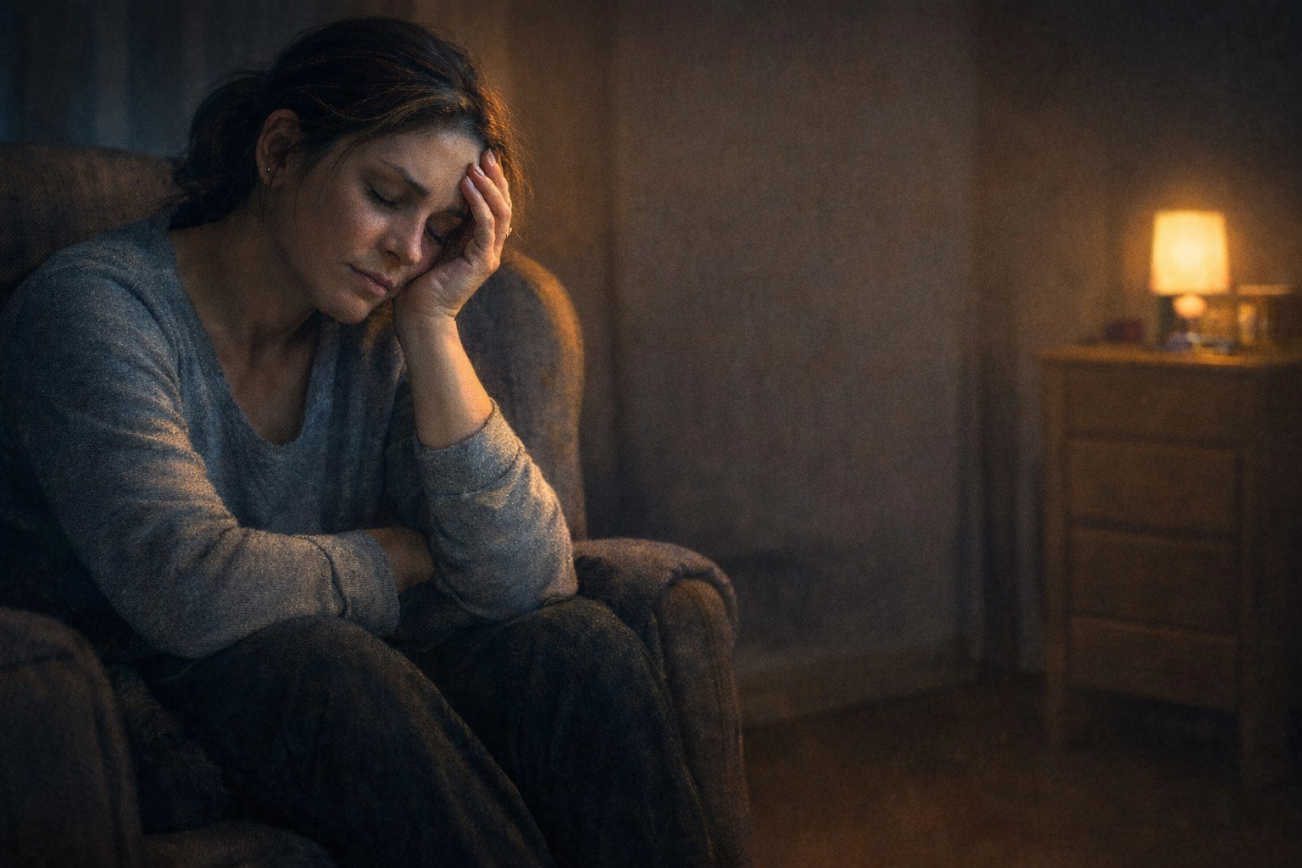
Instead you feel empty. You are awake at 3 a.m. even when the baby is sleeping. The exhaustion feels heavier than tired.
You are not broken. You are describing what millions of new parents go through. And there is a clinical tool designed to catch it early. It is called the postpartum depression screening test.
The CDC reports that about one in eight women experience symptoms of postpartum depression. For many, poor sleep is not just a side effect. It makes symptoms worse.
Myth vs. Reality: Baby Blues and Postpartum Depression Are Not the Same
Myth: Feeling sad after birth is normal and always passes quickly.
Reality: Baby blues affect up to 80 percent of new mothers. They peak around day five and clear within two weeks.
Postpartum depression is different. It lasts longer. It is more intense. It gets in the way of daily life and bonding with your baby.
A postpartum depression screening test is designed to tell these two apart. Without it, they are easy to confuse.
What Does a Postpartum Depression Screening Test Measure?
The Edinburgh Postnatal Depression Scale was developed in 1987 and validated in dozens of countries.
It asks about your ability to laugh. Your tendency to blame yourself. Anxiety without a clear cause. Trouble sleeping beyond what your baby causes. And whether you have had thoughts of harming yourself.
Scores range from 0 to 30. A score of 10 or above typically means a follow-up is needed.
The American College of Obstetricians and Gynecologists recommends screening at least once during the perinatal period. The test is not a diagnosis. It is the start of a conversation.
Partners can also be screened. About 10 percent of new fathers develop postpartum depression. It often looks like irritability or withdrawal rather than sadness.
Take the Self-Assessment Now
This interactive screening combines the Edinburgh Postnatal Depression Scale with a sleep quality module and a dedicated sleep apnea risk module, both developed by the Sliiip.com clinical team. It takes about 6 minutes. Your answers are private and never stored.
Postpartum Mood and Sleep Self-Assessment
17 questions. 6 minutes. For new parents within the first 12 months after delivery.
This tool is for informational purposes only. It does not provide a diagnosis. Always discuss your results with a qualified healthcare provider.
Question 1 of 17
0%
0%
Mood and Wellbeing
Question 1 of 17
I have been able to laugh and see the funny side of things.
As much as I always could
Not quite so much now
Definitely not so much now
Not at all
Please select an answer before continuing.
The Sleep Connection: Why Rest Matters for Postpartum Mood
Sleep and mood affect each other directly. When one gets worse, the other follows.
Newborns wake every two to three hours. That breaks parental sleep into short pieces. The deepest sleep stages, the ones that handle emotional balance and stress recovery, are the first to disappear.
Research in Sleep Medicine Reviews found that sleep quality in the first three months postpartum predicts depression more strongly than total sleep time. How well you sleep matters more than how long you sleep.
If you cannot fall back asleep even when the baby is quiet, that is worth paying attention to. See Why Can’t I Fall Asleep Even When I’m Tired at Sliiip.com.
Who Should Take a Postpartum Depression Screening Test?
Every new parent should have access to a postpartum depression screening test. Not just those who feel they are struggling.
Postpartum depression does not always look like sadness. It can show up as rage, numbness, panic, or intrusive thoughts.
Talk to your provider if you feel sad or hopeless for more than two weeks. Also seek screening if you have trouble bonding with your baby, feel excessive guilt, or have thoughts of harming yourself or your baby.
Hormonal shifts after delivery affect both sleep and mood directly. These are medical issues. They are not character flaws.
For more on mood and fatigue patterns, see Why Do I Feel Depressed and Tired All the Time at Sliiip.com.
Q: I scored high on a postpartum depression screening test but I think I am just tired. Should I still follow up?
“Yes. Exhaustion and depression look almost identical. Low motivation, poor focus, emotional fragility. A postpartum depression screening test cannot tell you which one is driving your score. A provider can. Sometimes fixing sleep fixes the mood. Sometimes it is the other way around. Either way, follow up. Your score is a signal. Do not ignore it.”
Dr. Avinesh Bhar
Board Certified Sleep Physician
Sliiip.com
The Risk No One Talks About: Sleep Apnea and Postpartum Mood
This is the angle almost no competitor covers. Dr. Avinesh Bhar and the Sliiip.com team see it regularly: a postpartum depression screening test score can be elevated by a sleep breathing disorder. Not baby blues. Not clinical depression.
Sleep apnea causes repeated breathing interruptions during sleep. It prevents the body from reaching the deep, restorative stages that regulate mood and stress hormones.
The result is a parent who feels crushed by fatigue no matter how many hours they spend in bed. Focus disappears. Emotions become harder to control.
Those are the same symptoms captured by a postpartum depression screening test. An undiagnosed sleep breathing disorder can push a score above the clinical threshold even when depression is not the real cause.
Signs to watch for include snoring, waking with a gasp, morning headaches, and exhaustion that does not improve as the baby sleeps longer. See Sleep Apnea Symptoms in Women at Sliiip.com.
Why the Postpartum Period Is High Risk for Both Sleep and Mood
Several things happen at once after delivery. Estrogen and progesterone drop sharply. Both affect sleep and emotional regulation.
Physical recovery from birth limits comfortable sleep positions. Breastfeeding creates forced wake-ups through the night. Each one cuts into the sleep cycles the body needs most.
When these factors combine with a predisposition to anxiety or depression, the cycle feeds itself. Poor sleep worsens mood. Low mood makes it harder to fall back asleep.
Breaking that cycle takes attention to both sleep and mood at the same time. A postpartum depression screening test is only the starting point.
For more, visit Understanding Insomnia and Pregnancy at Sliiip.com.
Q: Can poor sleep alone cause a person to score high on a postpartum depression screening test?
“Yes. Sleep deprivation and depression share so many symptoms that the screening tool picks both up. Trouble concentrating. Emotional swings. No enjoyment. Constant fatigue. We see it regularly at Sliiip.com. Treat the sleep disorder and the entire clinical picture can change.”
Dr. Avinesh Bhar
Board Certified Sleep Physician
Sliiip.com
Watch: Why Can’t I Sleep?
If you are lying awake even when the baby is quiet, this video from the Sliiip.com clinical team explains what may be behind it.
Practical Sleep Tips for the Postpartum Period
Keep your bedroom cool, dark, and quiet. Use blackout curtains and white noise. Even short sleep windows need the right environment.
When the baby sleeps, you sleep. Dishes can wait.
Split nighttime duty with a partner or support person so each adult gets at least one unbroken four-hour block.
Avoid screens for 30 minutes before sleep. Blue light delays melatonin and makes falling asleep harder.
Limit caffeine to the morning. Even a short daily walk helps your circadian rhythm and lifts your mood.
If you or your partner snore heavily, wake gasping, or feel completely unrefreshed in the morning, get that checked. See Is It Normal to Snore This Much at Sliiip.com.
For a full sleep framework, see Your Ultimate Sleep Routine Guide at Sliiip.com.

Is Your Sleep Making Your Postpartum Recovery Harder?
Over 10,000 consultations completed. No referral required. All 50 states. Most major insurance accepted.
If you completed a postpartum depression screening test and wonder whether sleep is part of the problem, a Sliiip.com physician can help. No in-person visit. No referral needed. From home.
Book an Appointment with SLIIIPFrequently Asked Questions
What is a postpartum depression screening test?
It is a validated questionnaire used to identify mood symptoms in new parents after childbirth. The most common version is the Edinburgh Postnatal Depression Scale. It is not a diagnosis. It identifies people who may need further evaluation.
When should I take a postpartum depression screening test?
ACOG recommends at least once during the perinatal period. Most providers do it at the six-week postpartum visit. Screening can happen any time during pregnancy or the first year after delivery if symptoms appear.
How long does a postpartum depression screening test take?
About five minutes. The Edinburgh scale has 10 questions. It can be done on paper or digitally. Always share results with your provider rather than interpreting them alone.
Can fathers take a postpartum depression screening test?
Yes. About 10 percent of new fathers experience postpartum depression. It often looks like irritability, withdrawal, or increased drinking rather than sadness. Screening tools can be adapted for all parents.
Is a positive postpartum depression screening test result a diagnosis?
No. A high score means further evaluation is needed. A provider will conduct a thorough clinical interview before making any determination. The screening is the first step, not the final word.
How does poor sleep affect postpartum depression screening test scores?
Sleep deprivation causes symptoms that look identical to depression: low mood, poor concentration, irritability, fatigue. These overlap with what the Edinburgh scale measures. Poor sleep can push a score above the clinical threshold even without depression present.
What is the Edinburgh Postnatal Depression Scale?
A 10-question self-report tool developed in 1987 and validated globally. Scores run from 0 to 30. A score of 10 or above typically indicates a need for clinical follow-up. It is the most widely used postpartum depression screening test in the world.
Can a sleep disorder raise my postpartum depression screening test score?
Yes. Sleep apnea and other breathing disorders cause fatigue, mood changes, and poor concentration. These symptoms are all measured by the screening test. Some parents score high because of a sleep disorder, not depression.
What do I do after a positive postpartum depression screening test?
Follow up with your OB-GYN, midwife, or a mental health provider. Options may include therapy, peer support, medication evaluation, and sleep improvement strategies. If sleep problems go beyond newborn wake-ups, a sleep specialist evaluation is also worth pursuing.
How is postpartum depression different from baby blues?
Baby blues affect up to 80 percent of new mothers and resolve within two weeks. Postpartum depression lasts longer, is more severe, and interferes with daily functioning and bonding. The postpartum depression screening test helps tell them apart.
Should I see a sleep specialist during the postpartum period?
If you cannot fall asleep even when you have the chance, snore loudly, wake up gasping, or feel exhausted no matter how much you sleep, yes. These are signs that something beyond newborn disruption may be happening.
What if my postpartum depression screening test is negative but I still feel terrible?
A negative score does not mean everything is fine. Thyroid changes, anemia, and sleep disorders can cause serious symptoms that mood screening tools do not capture. If something feels wrong, tell your provider.
Latest posts
-
Why Are My Naps Never Refreshing?
Last updated: October 2, 2026. Medically reviewed by Dr. Avinesh Bhar, Board-Certified Sleep Physician, SLIIIP.com. Naps that leave you groggy usually come down to how long you sleep, when you…
-
Is Sleeping Too Much a Sleep Disorder?
Last updated: October 2, 2026. Medically reviewed by Dr. Avinesh Bhar, Board-Certified Sleep Physician, SLIIIP.com. Sleeping too much is not always a sleep disorder, but it can be a sign…
-
Why Does My Insomnia Get Worse After Stopping Sleep Medication?
Last updated: October 2, 2026. Medically reviewed by Dr. Avinesh Bhar, Board-Certified Sleep Physician, SLIIIP.com. Insomnia can get worse after stopping sleep medication for three main reasons. They are rebound…
Get updates
Spam-free subscription, we guarantee. This is just a friendly ping when new content is out.

