👉 Register for Free. Peri/Menopause at Midnight: Why You Wake Up Hot, Wired, and Wide Awake at 3AM. – Friday, March 27th, 3:00 AM ET with Dr. Audrey Wells.

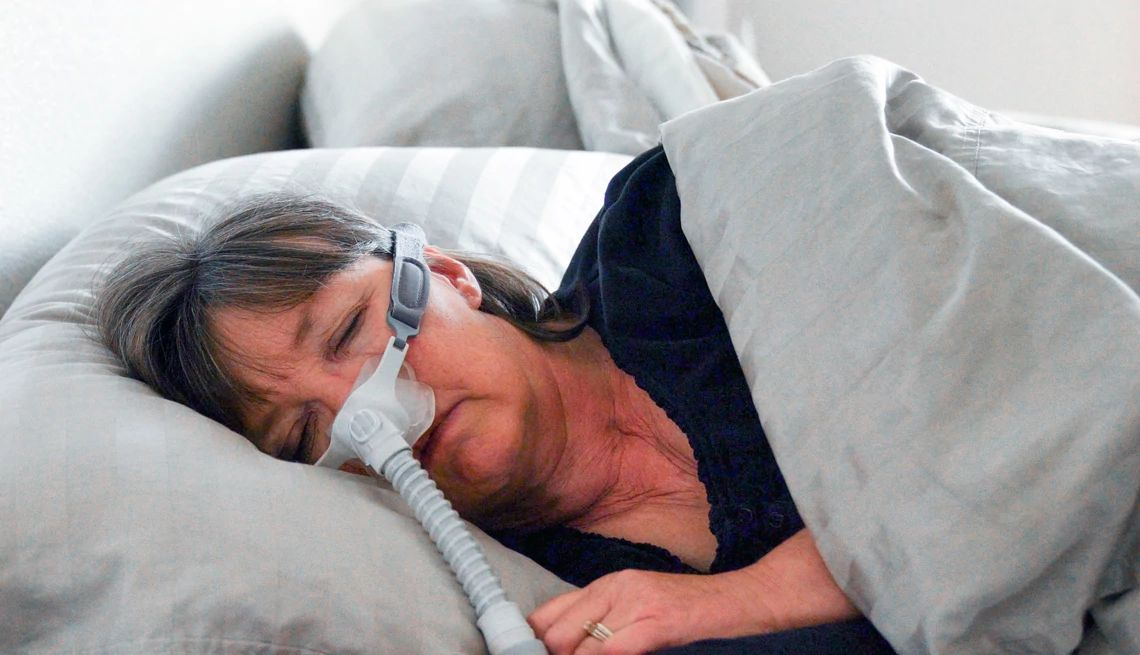
Sleep Apnea Self-Care: 9 Evidence-Based Habits
Sleep apnea self-care refers to the behavioral, positional, and lifestyle practices that support better breathing during sleep and improve daytime energy and recovery. While self-care habits do not replace clinical treatment for moderate or severe sleep apnea, they are an evidence-based complement to any treatment plan and a meaningful first step for those awaiting evaluation.
This article was written with clinical guidance from Dr. Avinesh Bhar, Board Certified Sleep Physician at Sliiip.com. Dr. Bhar has completed over 10,000 consultations with patients across all 50 states and works with patients daily to build practical routines that support their sleep health between clinical interventions.
If you have been diagnosed with sleep apnea, or if you suspect you may have it, you are probably doing what most people do: looking for things you can control right now.
Why Sleep Apnea Self-Care Matters
Sleep apnea symptoms include loud snoring, gasping during sleep, morning headaches, dry mouth, and significant daytime fatigue. These symptoms emerge from repeated partial or complete airway collapse during sleep, which fragments rest and reduces oxygen delivery to the brain and body.
Clinical treatments like CPAP, oral appliance therapy, and positional therapy address airway collapse directly. But the habits that surround sleep also affect how often the airway collapses, how severe those events are, and how well the body recovers even when some disruption occurs.
Research consistently shows that lifestyle modifications can reduce Apnea-Hypopnea Index (AHI) scores in patients with mild to moderate obstructive sleep apnea. A comprehensive review published in the journal Sleep Medicine Reviews found that weight loss, exercise, and positional changes were the behavioral interventions with the strongest evidence base for AHI reduction.
For patients already on CPAP or oral appliance therapy, these habits improve treatment outcomes. For patients in the early stages of evaluation, they represent meaningful action while awaiting formal assessment.
SLIIIP’s board-certified sleep physicians can evaluate the best sleep apnea treatment for you. Virtual consultations in all 50 states. Home sleep tests shipped to your door.
Myth vs. Reality: Sleep Apnea Self-Care
Myth: If you have sleep apnea, lifestyle changes will solve it.
Reality: Behavioral self-care can reduce the frequency and severity of apnea events, particularly in mild to moderate cases. But for patients with moderate to severe sleep apnea, lifestyle habits alone are not sufficient to achieve clinical control. They work best as a complement to formal treatment.
Myth: Sleep apnea self-care only matters if you refuse CPAP.
Reality: Self-care habits improve outcomes for patients on every form of treatment. Position, weight, alcohol timing, and sleep hygiene all influence how much work any therapy has to do.
Myth: Once you are on CPAP, you can ignore everything else.
Reality: CPAP treats the airway mechanically but does not address the anatomical and lifestyle factors that contribute to airway collapse. Patients who combine CPAP adherence with behavioral changes typically see better AHI control, improved energy, and greater overall wellness.
12 Evidence-Based Sleep Apnea Self-Care Habits
1. Sleep on Your Side
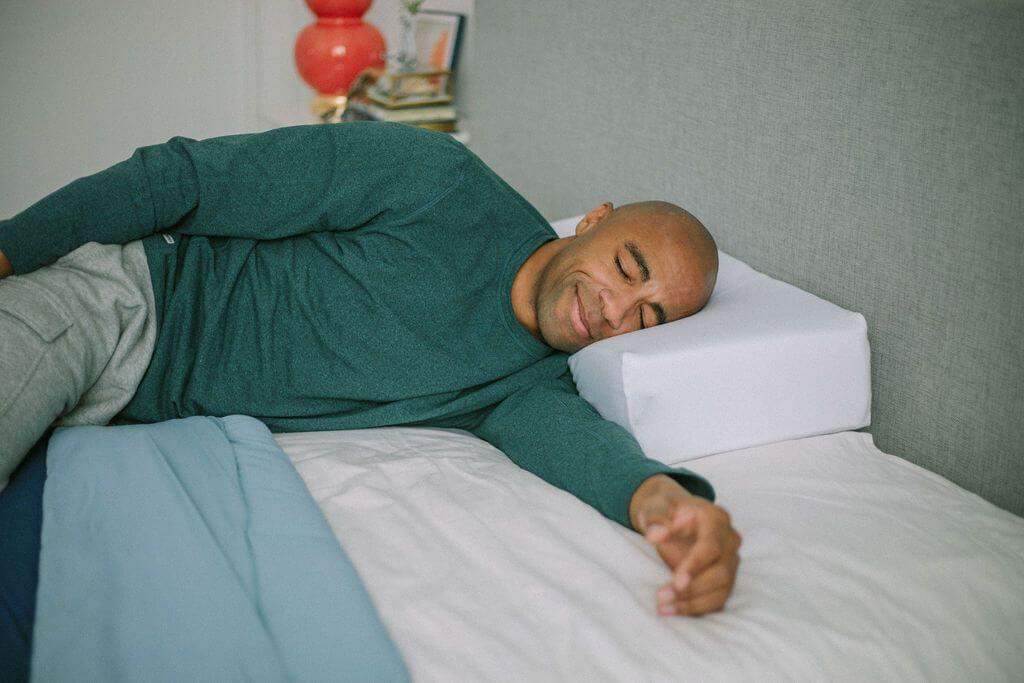
Back sleeping is one of the most significant lifestyle contributors to obstructive sleep apnea severity. In the supine position, gravity pulls the tongue and soft palate toward the back of the throat, narrowing or collapsing the airway.
Side sleeping keeps the airway more open. Studies show that patients who shift from supine to lateral sleeping positions experience AHI reductions of 30 to 50 percent on average. This is one of the highest-impact, lowest-cost changes you can make immediately.
Lorem ipsum dolor sit amet,
Positional sleep aids, including body pillows and purpose-built wedge devices, can help maintain side sleeping throughout the night. Learning more about the best sleeping position for sleep apnea gives you a framework for making this shift practically and comfortably.
2. Elevate the Head of Your Bed
Elevation of the head of the bed by four to six inches reduces the gravitational pull on airway soft tissues during sleep. It also reduces acid reflux, which can itself worsen apnea by triggering protective airway responses.
consectetur adipiscing elit. Ut elit tellus, luctus nec ullamcorper mattis, pulvinar dapibus leo.
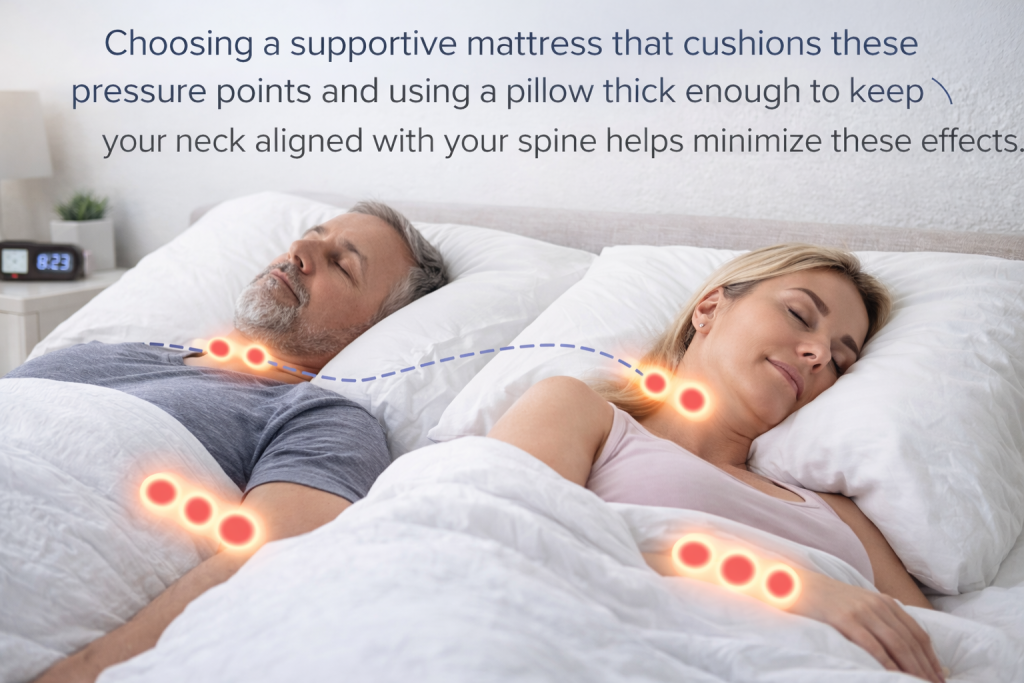
A foam wedge pillow under the mattress or head accomplishes this without requiring you to change your entire bed setup. The elevation angle is more important than the specific product used.
3. Reduce Alcohol, Especially in the Evening
Alcohol is a muscle relaxant. It reduces the tone of the upper airway muscles, making airway collapse significantly more likely during sleep. Even moderate alcohol consumption within three to four hours of bedtime increases AHI in both diagnosed and undiagnosed sleep apnea patients.
Research published in Sleep journal found that alcohol increases the duration and frequency of apnea events and delays the arousal response that restores normal breathing after a collapse episode. Avoiding alcohol in the evening, particularly in the two to three hours before sleep, is one of the most evidence-backed sleep apnea self-care habits available.
4. Manage Your Weight
Excess body weight, particularly around the neck and trunk, is one of the primary anatomical contributors to obstructive sleep apnea. Fatty tissue surrounding the upper airway narrows the passage and increases its collapsibility during sleep.
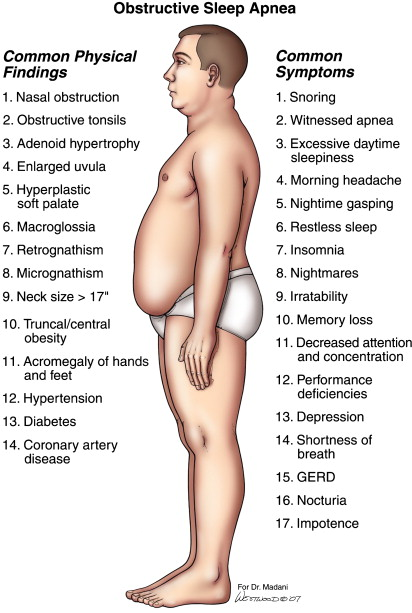
Clinically significant weight loss, defined as five percent or more of body weight, is associated with measurable AHI reduction in most patients with obesity-related sleep apnea. For some patients with mild obstructive sleep apnea, weight reduction alone has achieved AHI normalization.
Understanding the relationship between weight and sleep apnea is important context for building a sustainable self-care approach. Weight management is a long-term process, but even modest early reductions can shift your airway profile meaningfully.
5. Exercise Regularly, Including Airway-Targeted Exercise
General aerobic exercise reduces sleep apnea severity independent of weight loss. A study published in the American Journal of Respiratory and Critical Care Medicine found that exercise training reduced AHI by approximately 30 percent in sedentary adults with obstructive sleep apnea, even when body weight did not change significantly.
The mechanisms include improved upper airway muscle tone, reduced fluid accumulation in the neck during overnight hours, and improved overall respiratory function. Moderate-intensity aerobic activity for 150 minutes per week is the clinically supported target.
Myofunctional therapy, which involves targeted exercises for the tongue and throat muscles, has also shown meaningful AHI reductions in clinical studies. These exercises strengthen the muscles that keep the airway open and reduce the tendency toward collapse. A growing body of research published in Sleep and the Journal of Clinical Sleep Medicine supports myofunctional therapy as an adjunct to other sleep apnea treatments.
SLIIIP’s board-certified sleep physicians can evaluate the best sleep apnea treatment for you. Virtual consultations in all 50 states. Home sleep tests shipped to your door.
6. Establish a Consistent Sleep Schedule
Irregular sleep timing disrupts circadian rhythm and alters the neural regulation of breathing during sleep. Sleep fragmentation from schedule inconsistency compounds the breathing disruptions caused by apnea, creating a cycle of worsening fatigue.
Going to bed and waking at the same time seven days a week, including weekends, stabilizes the circadian rhythm and improves sleep architecture. Deep sleep stages, which are the most restorative, occur in greater proportion when the circadian clock is consistent.
7. Keep Your Nasal Passages Clear
Nasal congestion increases breathing resistance and forces mouth breathing during sleep. Mouth breathing bypasses the natural humidification and filtering function of the nasal passages and increases airway turbulence, which worsens snoring and can worsen apnea frequency.
Nasal saline rinse before bed, an antihistamine if you have allergies contributing to congestion, and nasal strips that gently open the nasal passages can all reduce breathing resistance during sleep. For patients using CPAP, nasal congestion is also a leading cause of mask leak and reduced therapy effectiveness.
8. Review Your Sleeping Position with Your CPAP or Oral Appliance
If you are already using a CPAP or oral appliance, position still matters. CPAP mask seal can be disrupted by certain sleep positions, particularly those that cause mask displacement or air leaks. Side sleeping with CPAP requires a pillow that accommodates the mask without pushing it out of position.
CPAP challenges including why it may not feel like it is working are often positional and mask-fit issues that can be resolved with targeted adjustments rather than abandoning therapy entirely. Similarly, oral appliance therapy works most effectively when combined with side sleeping and good nasal breathing habits.
9. Track Your Symptoms
Self-monitoring is an underused tool in sleep apnea self-care. Keeping a brief daily log of daytime energy, morning headache presence, dry mouth, and subjective sleep quality gives you and your physician meaningful data about how your condition is changing over time and how your self-care habits are affecting it.
Expert Q&A
Q: “I have mild sleep apnea. My doctor said to try lifestyle changes first. What should I prioritize?”
“For mild obstructive sleep apnea, the evidence supports three things above all else: sleeping on your side, reducing alcohol in the evening, and addressing weight if it is a contributing factor. Position changes alone can cut apnea events nearly in half for some patients. Alcohol elimination before bed is one of the fastest changes to implement and one of the most impactful. If you can make these two changes consistently, you may see a meaningful difference in how rested you feel within a few weeks. That said, I would still encourage a formal sleep study if you have not had one. Knowing your actual AHI gives us a baseline, so we can measure whether the lifestyle changes are working or whether clinical treatment is needed.”
Dr. Avinesh Bhar Board Certified Sleep Physician Sliiip.com
When Self-Care Is Not Enough
Sleep apnea self-care is powerful at the mild end of the severity spectrum. It is meaningful as a complement across all severity levels. But it has limits.
Moderate sleep apnea, defined as an AHI of 15 to 30, and severe sleep apnea, defined as an AHI above 30, typically require clinical treatment to achieve adequate control. The health consequences of undertreated moderate to severe sleep apnea include cardiovascular stress, metabolic dysfunction, cognitive decline, and immune suppression. Lifestyle habits alone are unlikely to reduce AHI to safe clinical levels in these cases.
If you have not had a formal sleep apnea evaluation, the most important step you can take alongside the self-care habits above is getting tested. A home sleep test provides a precise AHI score from a physician-interpreted device worn at home overnight. It tells you whether you are in mild, moderate, or severe territory and what the appropriate next step is.

Self-care without a diagnosis is managing a condition you cannot yet see clearly. A diagnosis gives you a map.
Take the Next Step in Your Sleep Health
Ready to know where you actually stand?
Sliiip.com has completed over 10,000 consultations with patients across all 50 states. No referral is required. A board-certified sleep physician reviews your home sleep test and helps you build a treatment plan that works with your life, including the self-care habits you have already started.
Most major insurance plans are accepted. Testing is done from home.
Frequently Asked Questions: Sleep Apnea Self-Care
What is sleep apnea self-care? Sleep apnea self-care refers to evidence-based behavioral, positional, and lifestyle practices that support better airway function during sleep. These include side sleeping, reducing alcohol before bed, managing weight, exercising regularly, clearing nasal passages, and maintaining a consistent sleep schedule. Self-care complements clinical treatment but does not replace it for moderate to severe cases.
Can lifestyle changes cure sleep apnea? For some patients with mild obstructive sleep apnea related to specific risk factors like body weight or sleep position, meaningful lifestyle changes can normalize AHI scores. For most patients with moderate to severe sleep apnea, lifestyle changes reduce severity but do not achieve clinical control on their own. A formal diagnosis is needed to know where you fall.
Does sleeping on your side really help sleep apnea? Yes. Side sleeping is one of the most evidence-supported positional interventions for obstructive sleep apnea. Research shows AHI reductions of 30 to 50 percent in some patients who shift from back to side sleeping. The effect is strongest in patients whose apnea events occur primarily in the supine position.
Does losing weight improve sleep apnea? Yes. Weight loss of five percent or more of body weight is associated with measurable AHI reduction in most patients with obesity-related obstructive sleep apnea. In mild cases, significant weight loss has been associated with AHI normalization. Weight loss works best as part of a comprehensive treatment approach rather than as a standalone intervention for moderate or severe apnea.
Does alcohol make sleep apnea worse? Yes. Alcohol relaxes the upper airway muscles and suppresses the arousal response that normally restores breathing after an apnea event. Research shows that even moderate alcohol consumption within a few hours of bedtime increases AHI meaningfully. Avoiding alcohol in the evening is one of the highest-impact self-care changes available.
What exercises help with sleep apnea? Aerobic exercise reduces sleep apnea severity independently of weight loss by improving upper airway muscle tone and reducing neck fluid accumulation during sleep. Myofunctional therapy, which involves targeted tongue and throat exercises, has shown AHI reductions in multiple clinical studies. Both are evidence-supported adjuncts to treatment.
Does mouth breathing make sleep apnea worse? Yes. Mouth breathing bypasses nasal filtration and humidification, increases airway turbulence, and is associated with higher AHI scores in some studies. Addressing nasal congestion through saline rinse, antihistamines, or nasal strips can support nasal breathing and improve airway dynamics during sleep.
Can sleep apnea self-care replace CPAP? For mild obstructive sleep apnea, behavioral interventions may achieve adequate AHI control in some patients, which could allow for deferring clinical treatment with physician agreement. For moderate to severe sleep apnea, self-care complements but does not replace CPAP, oral appliance therapy, or other clinical interventions.
How do I know if my self-care habits are working? Tracking daytime symptoms including energy levels, morning headaches, dry mouth, and mood provides subjective feedback. A follow-up home sleep test gives objective AHI data. If symptoms are improving but you have never had a formal sleep study, getting tested gives you a baseline and allows you to measure actual change over time.
What is the most important sleep apnea self-care habit? The evidence most consistently supports sleep position as the highest-impact single behavioral change for most patients. Side sleeping combined with alcohol reduction in the evening delivers the fastest measurable benefit for the largest proportion of sleep apnea patients. Weight management has the most long-term impact for patients with obesity-related apnea.
Does nasal breathing help sleep apnea? Nasal breathing supports better airway dynamics than mouth breathing during sleep. Keeping nasal passages clear through saline rinse, managing allergies, and using nasal strips can reduce breathing resistance and support more effective airway function during sleep. For CPAP users, nasal breathing also improves therapy effectiveness.
How soon will I feel better after starting sleep apnea self-care? Daytime energy improvements from positional and alcohol-related changes can be noticed within days to a couple of weeks for some patients. Weight-related improvements emerge over weeks to months. The timeline varies based on starting severity, consistency of the habits, and whether underlying apnea is also being treated clinically.
Latest posts
-
Can Sleep Apnea Cause Weight Gain? The Metabolic Connection
Sleep apnea does not just disrupt your rest. It actively interferes with the hormones that regulate hunger, metabolism, and fat storage. If you have been gaining weight despite effort, or…
-
Can a No Snoring Mouthpiece Solve Your Sleep Issues?
Can a no snoring mouthpiece solve your sleep issues? For many, a dental appliance is the first line of defense against disruptive nighttime noise and fragmented sleep. While these devices…
-
ResMed AirMini vs. Transcend Micro: Which Travel CPAP Wins?
Choosing between the ResMed AirMini and the Transcend Micro comes down to three things: the mask you already own, how aggressively you travel, and whether app-based sleep tracking matters to…
Get updates
Spam-free subscription, we guarantee. This is just a friendly ping when new content is out.

