👉 Register for Free. How to Diagnose Sleep Apnea Faster in Primary Care – FREE Webinar by Dr. Audrey Wells. – Friday, April 24 at 12 PM ET

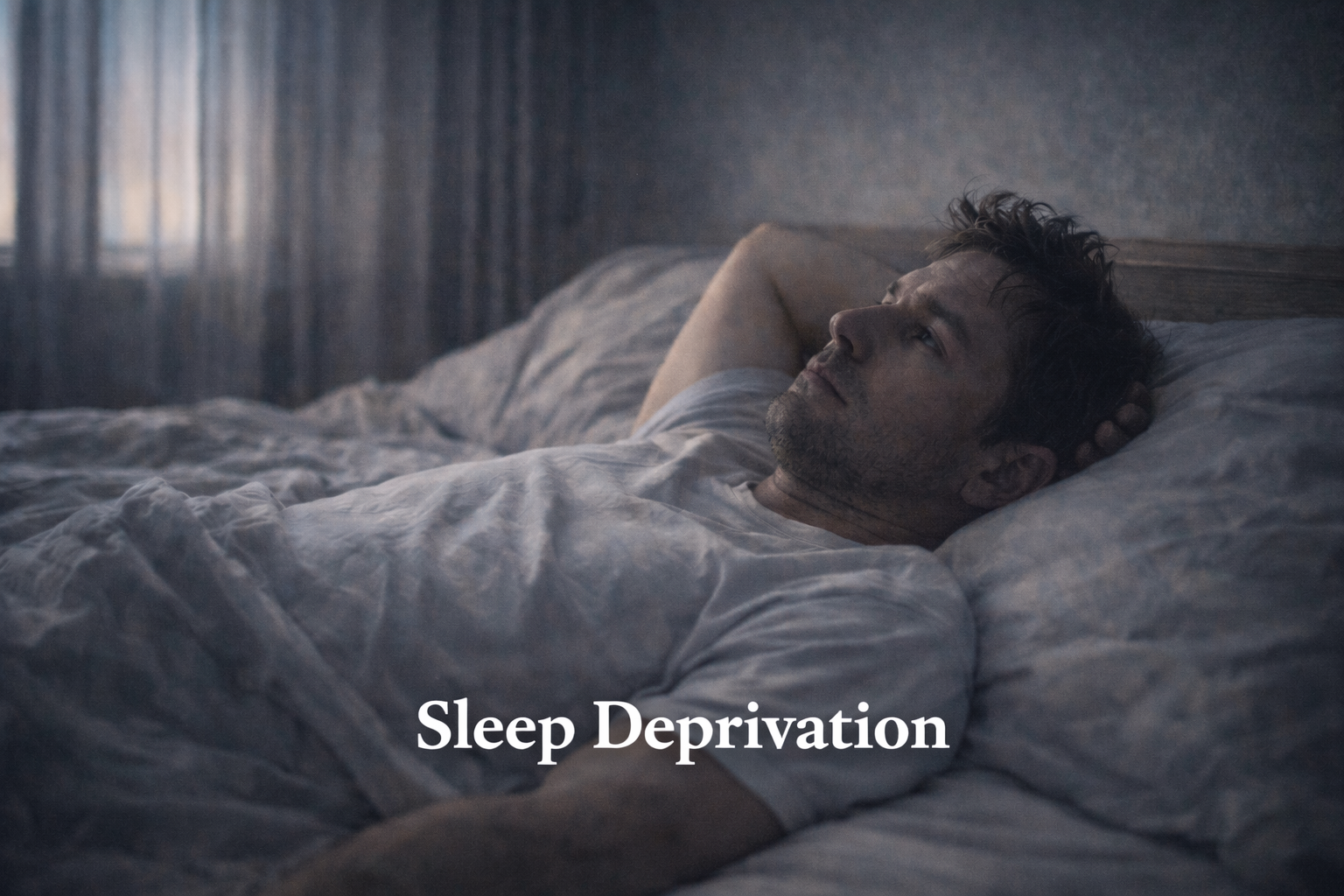
What Happens to Your Brain and Body If You Don’t Sleep Properly? The Real Effects of Sleep Deprivation
Effects of Sleep Deprivation on Your Brain and Body. Most adults do not realize how quickly the effects of sleep deprivation start to reshape the way they think, feel, and function, which is why Dr. Avinesh Bhar, Board-Certified Sleep Physician at SLIIIP.com, spends so much of each visit connecting the dots between tired mornings and real, measurable changes in the brain and body. SLIIIP.com offers virtual consultations in all 50 states and ships home sleep tests right to your door, giving patients true nationwide coverage without needing to visit a sleep lab. When you do not sleep properly, your brain and body start to change in ways you can feel and ways you cannot. Some signs show up fast, like a foggy head or a bad mood. Others build quietly over months and years, raising the risk of heart problems, weight gain, and memory issues. This guide walks through what really happens inside you when sleep falls short, and how to know when it is time to get checked.
At SLIIIP.com, Dr. Avinesh Bhar and the team regularly see patients who were told they had ADHD. Many of them had an undiagnosed sleep disorder. SLIIIP.com makes it easy to find out, with virtual consultations available in all 50 states and home sleep tests shipped directly to your door.
SLIIIP’s board certified sleep physicians can do sleep evaluations for sleep apnea. Virtual consultations in all 50 states. Home sleep tests shipped to your door.
SLIIIP’s board-certified sleep physicians can do sleep evaluations for sleep apnea. Virtual consultations in all 50 states. Home sleep tests shipped to your door.

What Sleeping Properly Really Means
Sleeping properly is not only about the total number of hours. It is also about the quality of those hours. A full night of sleep has several cycles of light sleep, deep sleep, and REM sleep.
Each stage has a different job, and missing any of them leaves the brain and body without the full repair they need.
Common ways people do not sleep properly include:
- Not getting enough total hours
- Going to bed at different times each night
- Waking up many times, even briefly
- Snoring or pausing in breathing during sleep
- Using alcohol or screens too close to bedtime
You can learn more about sleep stages in our guide on understanding REM sleep. If you sleep eight hours and still feel tired, our article on sleeping 8 hours and still feeling tired explains the most common reasons.
CHECK YOUR SLEEP SYMPTOMS: TAKE THE 2 MINUTE QUIZ
TAKE THE QUIZ
Understanding the Effects of Sleep Deprivation on the Brain
The brain does some of its most important work while you sleep. During deep sleep, it clears out waste products. During REM sleep, it sorts memories and emotions. When sleep is cut short or broken apart, the brain cannot finish these jobs, and the next day you feel it in almost everything you do.
Short term changes in the brain include:
- Slower thinking and reaction time
- Trouble finding words or remembering details
- Low mood or a short temper
- Stronger cravings for sugar and caffeine
- Less self control with decisions
According to the National Institute of Neurological Disorders and Stroke, sleep supports nearly every type of brain function, including learning, memory, mood, and focus. You can read more at the NIH sleep basics page.
If brain fog has become part of your daily life, our deep dive on sleep apnea and brain fog explains how breathing problems at night can cloud your thinking during the day.

What Happens to Your Body When You Don’t Sleep Properly
While your brain struggles with focus and mood, your body starts to show its own stress response. Poor sleep raises cortisol and adrenaline, which are the hormones your body uses in emergencies, and keeps them high when they should be low. Over time this can wear down almost every system.
Common body level changes include:
- Higher blood pressure
- A faster resting heart rate
- Blood sugar that is harder to control
- More inflammation throughout the body
- A weaker immune response to colds and flu
You may also notice that your stomach feels off, your skin breaks out more easily, or small injuries take longer to heal. These are all signs that your body is not getting the nightly repair time it needs.
Hair loss, headaches, and weight gain are also common complaints. Our articles on sleep deprivation and hair loss, lack of sleep and headaches, and sleep, stress, and weight management explain the science in plain language.
Short Term Effects of Sleep Deprivation
Even one or two bad nights can have a big impact. After just 24 hours without proper sleep, your thinking and reaction times can slow down to levels similar to having a few alcoholic drinks. This is why drowsy driving is such a serious safety issue.
Short term effects of sleep deprivation often show up as:
- Falling asleep in meetings or while watching TV
- Making careless mistakes at work
- Mood swings or feeling tearful
- Poor coordination
- Increased sensitivity to pain
Most people recover from a single rough night after one or two nights of better sleep. The problem is that many adults never really catch up, because the next night of poor sleep is already on the way.
Long Term Effects of Sleep Deprivation
When poor sleep goes on for months or years, the effects of sleep deprivation stop being just annoying. They start to raise real health risks. Research linked to the U.S. National Heart, Lung, and Blood Institute shows that long term sleep loss is tied to higher rates of heart disease, type 2 diabetes, obesity, and depression. More information is available at the NIH sleep deprivation page.
Long term risks include:
- Heart disease and high blood pressure
- Weight gain and insulin resistance
- Memory problems and lower focus
- Depression and anxiety
- A weaker immune system
If your mood has been low for a long time, it is worth asking whether poor sleep is part of the story. Our article on is my depression actually a sleep problem walks through the link between mood and rest.
SLIIIP’s board-certified sleep physicians can do sleep evaluations for sleep apnea. Virtual consultations in all 50 states. Home sleep tests shipped to your door.
When Poor Sleep Is a Sign of Something More
Dr. Avinesh Bhar often tells patients that not every case of tiredness is just a busy schedule. Many adults who do not sleep properly have an underlying sleep disorder, most often sleep apnea, that never gets diagnosed. In these cases, no amount of going to bed early will fix the problem, because the real issue is happening inside the airway during sleep.
Signs that something more may be going on include:
- Loud snoring or gasping at night
- Waking up with a headache
- Feeling exhausted after a full night in bed
- Falling asleep during the day
- A partner who notices pauses in breathing
Our guide on the signs of sleep apnea covers these clues in more detail, and our article on depression as a sleep problem shows how poor sleep and mood feed into each other.
How a Home Sleep Test Can Help
A home sleep test is a small, easy to wear device that tracks breathing, oxygen, and heart rate while you sleep. Because it happens in your own bed, the results reflect your true sleep, not a strange night in a lab.
At SLIIIP.com, a board certified physician reviews the results, explains what they mean, and works with you on next steps in a simple virtual visit. Learn more on the home sleep apnea test page, or take the short sleep apnea quiz if you are not sure where to start.
At Sliiip, we accept the following insurances:

SLIIIP’s board-certified sleep physicians can do sleep evaluations for sleep apnea. Virtual consultations in all 50 states. Home sleep tests shipped to your door.
Frequently Asked Questions
How many hours of sleep do adults really need?
Most adults do best with seven to nine hours of quality sleep per night. Needs vary a bit by person, but going under six hours on a regular basis is linked with real health risks.
Can you catch up on sleep on the weekend?
You can make up a little lost sleep, but weekends do not fully reset your body. Consistent sleep during the week is more protective than a long Sunday lie in.
Is feeling tired always a sign of sleep deprivation?
Not always. Tiredness can also come from stress, low iron, thyroid issues, depression, or a sleep disorder. A proper evaluation can help narrow down the cause.
Does screen time really affect sleep?
Yes. Bright screens close to bedtime can delay the release of melatonin and make it harder to fall asleep. Dimming lights and putting phones away an hour before bed can help.
What are the first signs I am not sleeping properly?
Morning grogginess, trouble focusing, mood changes, and cravings are often the first hints. If these last for more than a few weeks, it is worth getting checked.
Can sleep apnea happen even if I sleep eight hours?
Yes. You can be in bed for eight hours but still have your sleep broken up by dozens or even hundreds of breathing pauses. This is why a home sleep test is so useful.
Does exercise help with poor sleep?
Regular daytime activity supports deeper sleep for most people. Heavy exercise right before bed may be too stimulating for some.
How fast can things improve once I sleep better?
Many people notice clearer thinking and better mood within a week or two of steady, quality sleep. Weight, blood pressure, and heart health usually improve more slowly over months.
Does SLIIIP.com treat insomnia too?
Yes. SLIIIP.com physicians work with sleep apnea, insomnia, and other sleep concerns. Virtual visits make it easy to get expert help without travel.
What is the first step if I am worried about my sleep?
Start with the quick sleep apnea quiz and, if it makes sense, book a virtual visit. A SLIIIP.com physician can decide whether a home sleep test is the right next step.
Take the Next Step
If your brain feels foggy, your body feels worn out, or you wake up tired no matter what you do, your sleep may be trying to tell you something. A home sleep test and a short virtual visit can give you real answers and a real plan. You do not have to guess your way through another tired day.
Thank you for reading this article.
SLIIIP’s board-certified sleep physicians can do sleep evaluations for sleep apnea. Virtual consultations in all 50 states. Home sleep tests shipped to your door.
Latest posts
-
Why Can’t I Wake Up Even After Getting Enough Sleep?
Last updated: October 2, 2026. Medically reviewed by Dr. Avinesh Bhar, Board-Certified Sleep Physician, SLIIIP.com. If you can’t wake up after enough sleep, the cause is usually not the number…
-
Why Does My Heart Rate Drop So Low While I Sleep?
Last updated: October 2, 2026. Medically reviewed by Dr. Avinesh Bhar, Board-Certified Sleep Physician, SLIIIP.com. Your heart rate drops low while sleeping mainly because your body needs less work from…
-
Why Are My Naps Never Refreshing?
Last updated: October 2, 2026. Medically reviewed by Dr. Avinesh Bhar, Board-Certified Sleep Physician, SLIIIP.com. Naps that leave you groggy usually come down to how long you sleep, when you…
Get updates
Spam-free subscription, we guarantee. This is just a friendly ping when new content is out.

