

Can a Sleep Doctor Review My Sleep Test Results Online?
Last updated: November 4, 2026. Medically reviewed by Dr. Avinesh Bhar, Board-Certified Sleep Physician, SLIIIP.com.
Yes, a sleep doctor can review your sleep test results online during a secure video visit. Dr. Avinesh Bhar, Board-Certified Sleep Physician at SLIIIP.com, points out that a home sleep test can reveal if you have sleep apnea and then a treatment plan can be created.
SLIIIP’s board-certified sleep physicians can do sleep evaluations for sleep apnea. Virtual consultations in all 50 states. Home sleep tests shipped to your door.
Can You Get Sleep Test Results Reviewed by Video?
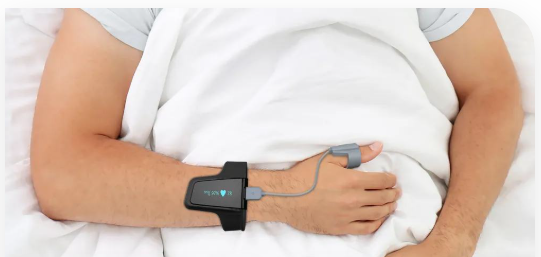
Yes. A sleep doctor can review home sleep test or sleep lab results by video and explain what they mean. Most of the work in a results visit is reading and talking, so it fits telehealth well. The doctor looks at your report, asks about your sleep, and helps you decide on next steps.
That review is more than a formality. According to the American Academy of Sleep Medicine, treatment decisions should not rest only on automatically scored home test data. It says a physician board certified in sleep medicine, or overseen by one, must review and interpret the raw data. It also says the evaluation behind a home test can happen in person or by telemedicine.
If you want to understand the terms before your visit, this guide to reading home sleep test results walks through each number. The guide helps you prepare. It does not replace a physician’s review.
What Happens During an Online Results Visit?
An online results visit is a private video appointment where a doctor goes through your report with you.
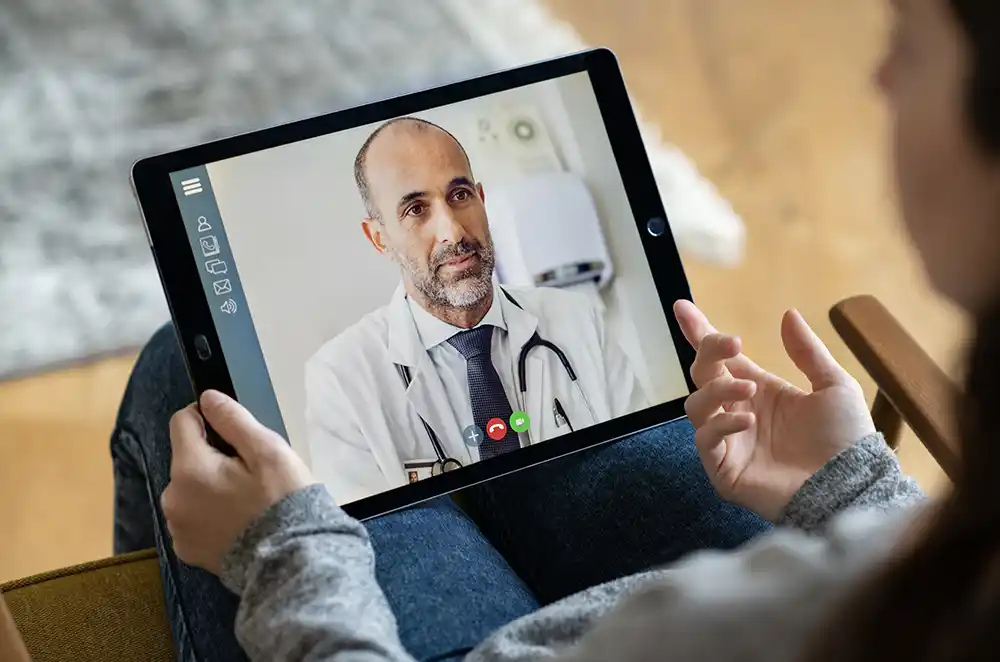
You join from a phone, tablet, or computer. Most visits follow a simple order:
- Your story first. The doctor asks about snoring, sleepiness, waking at night, and what your bed partner has noticed.
- The test itself. The doctor checks how long the test recorded and whether the data looks usable.
- The key numbers. You go over your breathing events, oxygen levels, and any position or snoring data.
- What it means for you. The doctor connects the numbers to your symptoms and health history.
- The plan. You talk through treatment options, more testing, or simple follow-up.
A good visit should leave you able to say three things in your own words. You should know what the test found, what it could not show, and what happens next. If you can’t say those things, ask the doctor to go over them again.
What Should You Send Before the Visit?
Send the complete report, not a screenshot or a single AHI number.
The more context the doctor has, the more useful the visit will be. Try to gather these items before your appointment:
- The full sleep test report, including every page
- The test date and the type of test, such as home test or sleep lab study
- Any notes or interpretation from the physician who read it
- A list of your medications and health conditions
- Any earlier sleep tests, so the doctor can compare them
- CPAP data, if you already use a machine
- A short list of your symptoms and your questions
You are entitled to your records. According to the U.S. Department of Health and Human Services, you have the right to inspect, review, and receive a copy of your medical records. Providers may charge a reasonable fee for copying and mailing. They can’t refuse to give you copies because you have an unpaid bill.
Ask for your report by name and ask how to get it. A patient portal is often the fastest route. If the office offers only a summary, ask for the full report as well.
Can a Sleep Doctor Review a Test You Did Somewhere Else?
Often yes, but each practice sets its own rules, so ask before you book. Some sleep doctors will work from a report done elsewhere. Others may want to repeat the test, especially if the report is old or incomplete.
A few details tend to shape that answer. The doctor may look at these points:
- Age of the test. An older result may no longer reflect your health, especially after weight changes.
- Type of device. A medical sleep test is different from a consumer sleep gadget.
- Who read it. A report with physician interpretation carries more detail than an automatic score.
- Recording time. A very short recording may not give enough data to rely on.
- Your insurance. Your plan may have its own rules about which tests it accepts for treatment.
When you call, try this simple question: “I had a sleep test done elsewhere. Can your doctor use my report, or will I need a new test?” It saves time. It also helps you avoid paying for a visit that can’t answer your question.
Is a Wearable or App Score a Sleep Test Result?
No. A smartwatch, ring, or app score is not the same as a medical sleep test. Those tools can show patterns, and they can give you a good reason to book a visit. They do not replace a test ordered and read by a physician.
TAKE THE QUIZ
Why Is a Second Look at Your Results Useful?
A second look is useful when your report and your daily life don’t seem to match. Home tests can miss some cases, and an average number can hide what happens in certain sleep positions. A sleep physician can look at the whole picture.
These are common reasons to ask for a review.
- Your test was normal, but you still feel exhausted
- You were told you have mild sleep apnea, and you are unsure about treatment
- You received a result with no explanation
- Your treatment isn’t helping, or you can’t tolerate it
- You had a test years ago and your health has changed
Watch: Dr. Wells explains why a sleep evaluation is critcal
If a normal result is your main concern, read about being tired after a normal home sleep test.
You can also learn why sleep study results can be wrong. Both give you useful questions for your visit.
Questions to Ask During Your Visit
The best questions turn your numbers into a clear next step.
Pick the ones that fit your situation and keep them handy during the call:
- Was this test long enough and good enough to rely on?
- How severe is this result, and what does that mean for me?
- How low did my oxygen go, and for how long?
- Could my symptoms come from something this test does not measure?
- What treatment options fit my result, and what are the trade-offs?
- Do I need another test, and what type?
- What will my insurance need before it covers treatment?
- Who should I contact if I have questions after this visit?
Take notes or ask for a written summary. It also helps to have someone you trust listen in, if the practice allows it.
When to See a Doctor
Book a visit if you have a sleep test result nobody has explained, or if your symptoms don’t match your report. Dr. Avinesh Bhar recommends a physician review of your report before any treatment decision.
The same number can mean different things for different people. Book sooner if you have loud snoring, gasping at night, morning headaches, or daytime sleepiness that affects your work or driving.
Keep using any prescribed therapy while you wait for your visit, and do not change CPAP settings on your own. Call 911 or go to an emergency room for chest pain, severe trouble breathing, or fainting.
Those symptoms should not wait for a sleep visit.
SLIIIP works with many major insurance plans.
Check whether your coverage applies before your visit.
SLIIIP’s board-certified sleep physicians can do sleep evaluations for sleep apnea. Virtual consultations in all 50 states. Home sleep tests shipped to your door.
Frequently Asked Questions
Can a sleep doctor review my sleep test results online?
Yes. A sleep doctor can go over your results during a secure video visit and explain what they mean for you.
Is a video visit enough to go over sleep test results?
For most adults, yes. The visit depends on your report, symptoms, and health history, not on a hands-on exam.
Do I need to send my results before the visit?
It helps to send them ahead of time. The doctor can then read the full report before you meet.
Can a sleep doctor review a test done somewhere else?
Often, yes, but policies vary. Ask the office before you book whether it can use an outside report.
What should I ask for from the place that did my test?
Ask for the full report, not just a summary line. Include the test date, device type, and any physician notes.
Can I get a copy of my sleep test report?
Yes. Under federal privacy rules, you have the right to see and receive a copy of your medical records.
Will the doctor look at the raw data?
It depends on the file you can get. Ask whether the doctor needs the raw recording or if the full report is enough.
Can a sleep doctor diagnose sleep apnea from my report?
A physician can often make that call from a valid test and your history. Sometimes more testing is needed first.
Is an app or smartwatch score a sleep test result?
No. A wearable score can start a conversation, but it does not replace a medical sleep test.
What is AHI on a sleep report?
AHI stands for apnea-hypopnea index. It counts breathing pauses and shallow breaths per hour of sleep.
What is REI on a home sleep test?
REI stands for respiratory event index. Many home tests use it because they measure recording time, not true sleep time.
Can a normal result still need a review?
Yes. A normal result with ongoing symptoms is a good reason to talk with a sleep doctor.
Can the doctor prescribe CPAP after an online review?
A sleep physician can prescribe CPAP by telehealth when the results and your history support it.
Will insurance pay for an online results visit?
Coverage varies by plan. Check your benefits before the visit so you know what to expect.
Does the doctor need a license in my state?
Generally, yes. A telehealth doctor should be licensed in the state where you are during the visit.
How long does an online results visit take?
Length varies by practice and by how complex your results are. Ask when you book.
Should I change my CPAP settings based on my report?
No. Talk with your doctor first, and do not change prescribed settings on your own.
Can a family member join the video visit?
Many practices allow it if you agree. Ask the office ahead of time.
What if the report does not match my symptoms?
Tell the doctor. A mismatch is one of the most common reasons to look closer or repeat a test.
Does SLIIIP treat children?
No. SLIIIP evaluates and treats adults only, so a parent should ask a pediatrician about a child’s sleep.
SLIIIP’s board-certified sleep physicians can do sleep evaluations for sleep apnea. Virtual consultations in all 50 states. Home sleep tests shipped to your door.
Latest posts
-
Can Sleep Apnea Cause Chest Pain at Night?
Last updated: November 17, 2026. Medically reviewed by Dr. Avinesh Bhar, Board-Certified Sleep Physician, SLIIIP.com. Sleep apnea is linked to nighttime chest discomfort, but it is rarely the only explanation.…
-
Which Sleep Aids Are Safe With Heart Disease?
Last updated: November 17, 2026. Medically reviewed by Dr. Avinesh Bhar, Board-Certified Sleep Physician, SLIIIP.com. No sleep aid is automatically safe with heart disease, so the right choice depends on…
-
Can Statins Cause Insomnia? What the Research Shows
Last updated: November 17, 2026. Medically reviewed by Dr. Avinesh Bhar, Board-Certified Sleep Physician, SLIIIP.com. For most people, probably not. A meta-analysis of placebo-controlled sleep lab studies found that statins…
Get updates
Spam-free subscription, we guarantee. This is just a friendly ping when new content is out.

