

CPAP Cleaning Machine: Do You Really Need One?
Last updated: October 24, 2026. Medically reviewed by Dr. Avinesh Bhar, Board-Certified Sleep Physician, SLIIIP.com.
Most people do not need a CPAP cleaning machine. Mild soap, warm water, and a regular schedule keep most masks, hoses, and water tanks clean. Dr. Avinesh Bhar, Board-Certified Sleep Physician at SLIIIP.com, tells patients to follow the cleaning steps in their own machine’s manual first. A clean CPAP depends on a simple routine, not an expensive gadget. Ozone and UV cleaners are not FDA cleared to clean, disinfect, or sanitize CPAP machines.
SLIIIP’s board-certified sleep physicians can do sleep evaluations for sleep apnea. Virtual consultations in all 50 states. Home sleep tests shipped to your door.
Do CPAP Cleaning Machines Actually Work?
There is no strong proof that most CPAP cleaning machines clean better than soap and water. According to the FDA, there are currently no FDA cleared or approved devices for cleaning, disinfecting, or sanitizing CPAP machines.
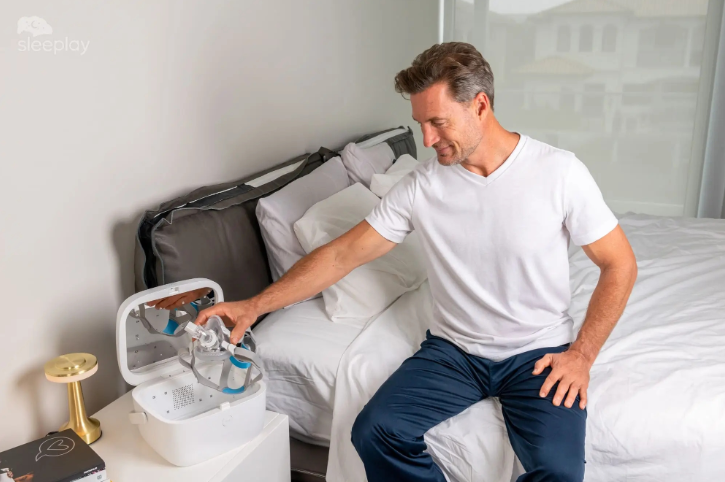
The FDA has not received performance data showing that ozone or UV light can clean the inside of CPAP hoses.
The agency has authorized one add-on device. It is meant to reduce bacteria on specific masks and hoses. Even so, the FDA says an add-on device does not replace the manufacturer’s recommended cleaning process. It can only be used on top of regular washing.
Many cleaning machines are sold with words like “sanitize” or “kills 99 percent of germs.” Those claims come from the seller. They have not been reviewed by the FDA for CPAP use. That gap matters when the product sits inside the air path you breathe all night.
What Types of CPAP Cleaning Machines Are Sold?
Most CPAP cleaners on the market fall into two groups. The FDA describes one type that uses ozone gas and a second type that uses ultraviolet (UV) light.
Ozone CPAP cleaners
Ozone cleaners pump ozone gas through the mask, hose, and water tank. Ozone is a reactive form of oxygen. It can break down germs, but it can also irritate the lungs. The FDA found that ozone levels inside CPAP equipment can stay above safe limits even several hours after cleaning ends. Ozone can also leak into the room while the cleaner runs.
UV light CPAP cleaners
UV cleaners are boxes or wands that shine UV light on CPAP parts. Light only reaches the surfaces it touches. The inside of a long, curved hose is hard for light to reach. The American Academy of Sleep Medicine reported that UV products vary widely in light strength and exposure time. Too little UV may leave equipment poorly disinfected.
Are Ozone CPAP Cleaners Safe?
Ozone CPAP cleaners carry real safety concerns, especially for people with lung disease. The FDA has received reports of unexpected asthma attacks, headaches, and breathlessness after people used ozone-based CPAP cleaners. The AASM noted that the FDA received 11 such reports between 2017 and 2019.
High ozone exposure may worsen existing chronic lung conditions, such as asthma or COPD. Many CPAP users also have these conditions. That overlap is one reason sleep physicians are cautious about ozone devices.
UV devices carry a different set of risks. Too much UV exposure is linked to burns, eye damage, and a higher risk of skin cancer. The FDA has no evidence that UV cleaning machines protect users from unsafe UV exposure.
Can CPAP Cleaning Machines Damage Your Equipment?
Yes, both ozone and UV light can wear down CPAP parts over time. The FDA states that UV light and ozone can break down CPAP accessories such as hoses and masks. Damaged parts may crack, stiffen, or lose their seal.
A worn mask cushion often leaks air. Leaks can dry out your eyes and mouth. They can also make therapy feel louder and less comfortable. If your mask starts to leak more than it used to, worn parts may be the reason. Our guide on how often to replace your CPAP mask and tubing explains what wear looks like.
Some CPAP makers do not approve outside cleaning devices. Check your warranty terms before using any cleaner. A problem caused by a third-party device may not be covered.
How Should You Clean a CPAP Machine Without a Cleaner?
The safest way to clean CPAP equipment is with mild soap and water, following your manufacturer’s instructions. The FDA states that most CPAP accessories, including masks, hoses, and humidifier tanks, can be cleaned with mild soap and water. Some manufacturers also suggest diluted vinegar for certain parts.
A simple daily routine
- Empty any water left in the humidifier tank each morning.
- Rinse the tank and let it air dry, out of direct sunlight.
- Wipe the mask cushion where it touches your face to remove skin oil.
- Refill the tank at night with the type of water your manual recommends.
A simple weekly routine
- Take the mask apart and wash each piece in warm water with mild, unscented soap.
- Fill the hose with soapy water, swish it, then rinse it well with clean water.
- Hang the hose so water can drain out and air can dry the inside.
- Wash the humidifier tank the same way, then rinse and air dry.
- Check or replace the air filter as often as your manufacturer recommends.
Never put the main CPAP unit in water. The FDA warns never to submerge a machine with an electrical cord in water or other liquids. Wipe the outside of the unit with a damp towel instead. Unplug it first.
What to avoid
- Bleach, alcohol, and harsh household cleaners, unless your manual allows them.
- Scented soaps, which can leave smells and residue in the air path.
- Putting parts in the dishwasher, unless your manual says it is safe.
- Reassembling parts while they are still wet inside.
How Often Should You Clean Your CPAP Equipment?
Most manufacturers suggest a quick daily rinse of the water tank and a full weekly wash of the mask and hose. Your own manual is the final word, since parts and materials differ by brand. Following the manufacturer’s schedule is the cleaning plan the FDA recommends.
You may want to clean more often during a cold, the flu, or allergy season. Extra cleaning helps remove mucus and residue. Replace parts on schedule too. Cleaning cannot restore a cushion that has lost its shape.
Is a CPAP Cleaning Machine Ever Worth It?
A CPAP cleaning machine is a personal choice, not a medical need. Some people with limited hand strength or arthritis find hand washing hard. Others travel often and want a faster routine. In these cases, it helps to talk with your sleep team before buying anything.
If you do buy a device, use it only as an extra step. Keep washing with soap and water on the schedule your manual lists. Avoid ozone devices if you have asthma, COPD, or other lung problems. Read the device label carefully, and stop using it if you notice new symptoms.
Skipping CPAP use because cleaning feels like a chore is a bigger problem than a missed wash. If the routine is the barrier, a sleep physician can help you find a simpler setup. Our guide to starting CPAP therapy covers more tips for new users.
What Happens If You Do Not Clean Your CPAP?
Skipping cleaning lets skin oil, dust, and moisture build up in the mask, hose, and tank. Over time, that buildup may lead to odors, mask irritation, and faster wear of parts. Some users notice congestion or coughing when equipment is not kept clean.
Standing water in the humidifier tank is a common problem. Leaving it in place day after day can lead to film or discoloration. Emptying and drying the tank each morning is one of the easiest habits to build.
Watch: Dr. Wells explains the truth about sleep apnea
When to See a Doctor
See a doctor if CPAP problems keep you from using your machine every night. Dr. Bhar recommends contacting your sleep physician if you have a new cough, sinus pain, or nosebleeds that start after you begin CPAP. He also advises a visit if mask rashes, frequent leaks, or a dry mouth do not improve with better cleaning and fit.
Get help as well if you have trouble breathing, chest tightness, or headaches after using any cleaning device. Stop using the device and report the problem to your doctor. The FDA also accepts reports about cleaning devices through its MedWatch program.
Never change your CPAP pressure or settings on your own. If your therapy feels wrong, your sleep physician can review your data and adjust your plan safely. A cleaning issue is often an easy fix, but ongoing symptoms deserve a closer look.
SLIIIP works with many insurance plans for sleep evaluations, including Medicare and TRICARE. You can check your coverage before your visit.

Verify your insurance coverage in under a minute and book a virtual visit with a board-certified sleep physician.
For cash payments, price for Initial Consultation is $150
Follow up appointments cost $125
Frequently Asked Questions
Do I need a CPAP cleaning machine?
No. Most people can keep CPAP equipment clean with mild soap, warm water, and the schedule in their manual.
Are CPAP cleaning machines FDA approved?
The FDA says there are no cleared or approved devices for cleaning, disinfecting, or sanitizing CPAP machines.
Are ozone CPAP cleaners safe?
The FDA has warned that ozone cleaners can leave ozone in CPAP equipment above safe limits for hours. People have reported asthma attacks, headaches, and breathlessness.
Do UV CPAP cleaners work?
The FDA has not received data showing UV light can clean the inside of CPAP hoses. Light only reaches surfaces it touches.
Can ozone damage my CPAP mask and hose?
Yes. The FDA states that ozone and UV light can break down CPAP accessories such as hoses and masks.
What is the best way to clean a CPAP?
Wash the mask, hose, and water tank with mild soap and warm water, then rinse and air dry. Follow your manufacturer's instructions.
How often should I clean my CPAP mask?
Most manufacturers suggest a daily wipe of the cushion and a full weekly wash. Check your manual for your model.
How often should I clean my CPAP hose?
Many manufacturers suggest washing the hose about once a week. Hang it to dry fully before use.
Can I use vinegar to clean my CPAP?
Some manufacturers suggest diluted vinegar for certain parts. Use it only if your manual allows it.
Can I put CPAP parts in the dishwasher?
Only if your manual says the part is dishwasher safe. Hand washing is the safer default.
Can I submerge my CPAP machine in water?
No. The FDA warns never to submerge a machine with an electrical cord. Wipe the outside with a damp towel.
Should I empty my CPAP water tank every day?
Yes. Emptying, rinsing, and air drying the tank each morning helps prevent buildup.
Can a dirty CPAP make me sick?
A dirty CPAP is linked to odors, irritation, and congestion in some users. Regular cleaning lowers that risk.
Can I use bleach or alcohol on CPAP parts?
Avoid harsh chemicals unless your manual allows them. They can damage parts and leave residue.
Will a cleaning machine void my CPAP warranty?
It may, depending on your manufacturer. Check your warranty terms before using any third-party cleaner.
Is an ozone cleaner risky if I have asthma?
Ozone may worsen existing lung conditions like asthma or COPD. Talk to your doctor before using one.
Does cleaning replace changing CPAP supplies?
No. Cleaning removes buildup, but worn cushions and hoses still need replacing on schedule.
What should I do if a cleaner gives me headaches?
Stop using the device and tell your doctor. You can also report the problem to the FDA through MedWatch.
Should I clean my CPAP more when I am sick?
Many users clean more often during a cold or flu. Extra washing helps remove mucus and residue.
Can a sleep doctor help if CPAP feels hard to keep up with?
Yes. A sleep physician can review your setup, mask fit, and therapy data to make CPAP easier to use.
SLIIIP's board-certified sleep physicians can do sleep evaluations for sleep apnea. Virtual consultations in all 50 states. Home sleep tests shipped to your door.
Latest posts
-
Can Sleep Apnea Cause an Enlarged Heart?
Last updated: November 17, 2026. Medically reviewed by Dr. Avinesh Bhar, Board-Certified Sleep Physician, SLIIIP.com. Sleep apnea is associated with heart enlargement, especially thickening of the heart’s main pumping chamber.…
-
Can Sleep Apnea Cause Swollen Ankles?
Last updated: November 17, 2026. Medically reviewed by Dr. Avinesh Bhar, Board-Certified Sleep Physician, SLIIIP.com. Sleep apnea can be part of the picture, usually through its effects on the heart…
-
Can Sleep Apnea Cause Chest Pain at Night?
Last updated: November 17, 2026. Medically reviewed by Dr. Avinesh Bhar, Board-Certified Sleep Physician, SLIIIP.com. Sleep apnea is linked to nighttime chest discomfort, but it is rarely the only explanation.…
Get updates
Spam-free subscription, we guarantee. This is just a friendly ping when new content is out.

