👉 Register for Free. How to Diagnose Sleep Apnea Faster in Primary Care – FREE Webinar by Dr. Audrey Wells. – Friday, April 24 at 12 PM ET

Migraines and Sleep: How They Affect Each Other
Last updated: October 24, 2026. Medically reviewed by Dr. Avinesh Bhar, Board-Certified Sleep Physician, SLIIIP.com.
Migraines and sleep affect each other in both directions. Short or broken sleep is linked to more frequent migraine attacks, and migraines can make it harder to fall asleep or stay asleep. Dr. Avinesh Bhar, Board-Certified Sleep Physician at SLIIIP.com, asks about one pattern often. It is a headache that is already there when you wake up, several mornings a week. That pattern can point to a sleep disorder such as sleep apnea, not only to migraine.
Better sleep will not end every migraine, but poor sleep is one of the most common factors linked to attacks. If your headaches cluster around waking up, a sleep evaluation may be worth discussing with your doctor.
SLIIIP’s board-certified sleep physicians can do sleep evaluations for sleep apnea. Virtual consultations in all 50 states. Home sleep tests shipped to your door.
Can Lack of Sleep Trigger a Migraine?
Yes, lack of sleep is one of the most often reported migraine triggers. Many people notice an attack after a short night, a late night, or a night of tossing and turning.
A 2019 review on sleep disorder-related headaches describes a “vicious cycle” between sleep problems and migraine.
Poor sleep quality or short sleep may set off attacks, and people with migraine who sleep poorly report more frequent headaches. The same review notes that too much sleep can also be a trigger for some headaches.
This is why sleeping in on the weekend can backfire. A big swing in your sleep schedule may matter as much as the total hours. Keeping the same wake time every day is one of the simplest habits linked to steadier sleep.
Why sleep and migraine are connected
Researchers are still working out the exact reasons. The brain areas that control sleep and wake cycles overlap with areas involved in migraine. Pain signals, stress hormones, and changes in brain chemistry all play a part.
There is also a timing link. Some people yawn a lot or feel very tired a day or so before an attack. That early tiredness can be part of the migraine itself, not a sign of poor sleep.
How Do Migraines Affect Your Sleep?
Migraines can wake you up, keep you from falling asleep, and leave you tired the next day. The pain, nausea, and light sensitivity of an attack all make rest harder.
The American Academy of Sleep Medicine summarizes research showing that adults with migraines rate their sleep quality lower than people without migraines.
Overnight sleep lab tests also showed less REM sleep in adults and children with migraines. The same article reports that 71% of people in one study said headaches woke them from sleep.
That study also found that 38% of participants slept fewer than six hours a night. People who slept less than six hours had more severe headaches. This does not prove that short sleep causes worse migraines. It does show how often the two problems show up together.
Coping habits can add to the cycle. Going to bed early to escape an attack can shift your sleep schedule. Long afternoon naps and late screen use to distract from pain can do the same.
Which Sleep Disorders Are Linked to Migraines?
Insomnia, obstructive sleep apnea, restless legs syndrome, and teeth grinding are the sleep problems most often discussed alongside migraine. Each one breaks up sleep in a different way.
- Insomnia: trouble falling asleep, staying asleep, or waking too early. It is the most common sleep complaint in people with migraine.
- Obstructive sleep apnea: repeated pauses or drops in breathing during sleep. It is linked to morning headaches and broken sleep.
- Restless legs syndrome: an urge to move the legs in the evening or at night. It can delay sleep and cause many awakenings.
- Teeth grinding (bruxism): clenching or grinding at night. It is linked to jaw pain and headaches on waking.
Having one of these sleep disorders does not mean it is behind your migraines. It does mean the sleep problem is worth looking at on its own. Treating a sleep disorder is about your sleep and overall health, whatever happens with your headaches.
Is It a Migraine or a Sleep Apnea Headache?
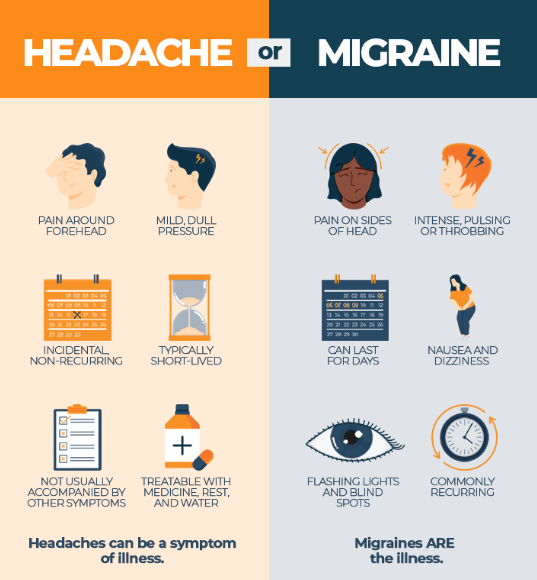
A migraine usually brings throbbing pain, often on one side, with nausea or sensitivity to light and sound. A sleep apnea headache is usually a pressing pain on both sides that is there on waking and fades within a few hours.
These differences can help you describe your headaches to a doctor.
- Timing: migraine can start at any time of day, while sleep apnea headaches show up on waking.
- Length: a migraine attack often lasts several hours to a few days, while a sleep apnea headache tends to fade by mid-morning.
- Feel: migraine pain often throbs, while sleep apnea headaches feel more like pressure or a tight band.
- Other symptoms: migraine often brings nausea, light sensitivity, or an aura, while sleep apnea comes with snoring, gasping, or daytime sleepiness.
Headache doctors define sleep apnea headache partly by the fact that it tends to ease once the breathing problem is treated. That is one reason a sleep test can be useful when morning headaches keep coming back.
Some people have both migraine and sleep apnea. In that case, the morning headaches and the migraine attacks may feel different from each other. A headache diary can help you and your doctor sort them out. Note the time each headache starts, how long it lasts, how it feels, and how you slept the night before.
For a broader look at waking up with head pain, read our guide on why you wake up with headaches.
Sleep Habits That May Help If You Get Migraines
Steady sleep habits are a common part of migraine care. They will not stop every attack, but they remove one of the most frequent triggers. The goal is consistency, not perfect sleep.
- Wake up at the same time every day, including weekends.
- Aim for seven to nine hours of sleep as an adult.
- Keep naps short, around 20 minutes, and before mid-afternoon.
- Cut off caffeine in the early afternoon, since it can stay in your system for hours.
- Limit alcohol near bedtime, since it is linked to lighter and more broken sleep.
- Keep your bedroom dark, quiet, and cool.
- Dim screens and bright lights in the last hour before bed.
Talk with your doctor before changing any headache or sleep medicine. Some medicines that cause drowsiness can relax the throat muscles during sleep. That can matter if you have sleep apnea that has not been found yet.
Taking pain relievers too often can also lead to daily headaches, sometimes called medication overuse headache. These can show up in the morning and look a lot like sleep-related headaches. Your doctor can help you tell them apart.
Can Treating a Sleep Disorder Help With Migraines?
Treating a sleep disorder may be linked to fewer headaches for some people, but results vary. The clearest benefit is better sleep itself, which is worth having on its own.
The AASM article notes that improving your sleep may help reduce or prevent migraines. Sleep treatment works best alongside your regular migraine care, not in place of it. Keep working with the doctor who manages your headaches.
For insomnia, cognitive behavioral therapy for insomnia (CBT-I) is a first-line approach. For sleep apnea, options include CPAP, oral appliances, and position changes. A sleep physician can explain which option fits your test results.
Watch: Dr. Wells explains top 3 sleep disorders that can give migraines
When to See a Doctor
See a doctor if migraines are getting more frequent, if your usual treatment stops working, or if headaches greet you most mornings. Dr. Avinesh Bhar recommends raising sleep with your doctor when morning headaches come with loud snoring, gasping at night, or heavy daytime sleepiness. Those signs together are a common reason to consider a sleep apnea test.
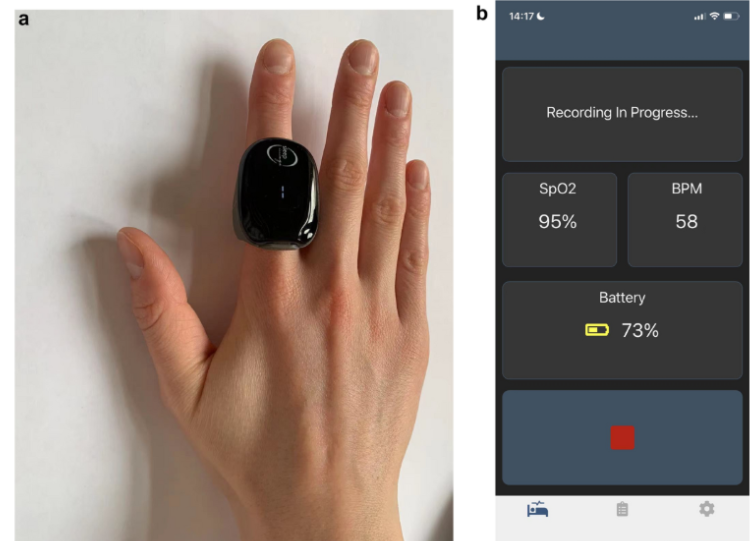
A home sleep test can check your breathing overnight in your own bed. You can learn how it works in our guide on how to get a home sleep test.
Get emergency care right away for a sudden, severe headache that feels like the worst of your life. Also seek urgent care for a headache with weakness, confusion, trouble speaking, vision loss, fever with a stiff neck, or a head injury. These are not typical migraine or sleep symptoms.
Also book a visit for headaches that begin after age 50 or a change in your usual pattern. Insomnia lasting more than three months is another reason.
Check Your Insurance Coverage
SLIIIP works with many major insurance plans. Check whether your plan covers a sleep evaluation before your visit.

Find out in minutes if your insurance covers a virtual sleep evaluation and a home sleep test.
For cash payments, price for Initial Consultation is $150
Follow up appointments cost $125
Frequently Asked Questions
Can poor sleep trigger a migraine?
Yes, short or broken sleep is one of the most often reported migraine triggers. Many people notice attacks after a bad night.
Can too much sleep cause a migraine?
Oversleeping is also reported as a headache trigger for some people. A steady sleep schedule is usually better than catching up.
Why do I wake up with a migraine?
Morning attacks can be linked to sleep loss, schedule changes, caffeine timing, or a sleep disorder. A headache diary can help find the pattern.
Can sleep apnea cause migraines?
Sleep apnea is linked to morning headaches and broken sleep. Research on a direct link to migraine is still mixed.
What does a sleep apnea headache feel like?
It is usually a pressing pain on both sides of the head. It is there on waking and often fades within a few hours.
How is a migraine different from a sleep apnea headache?
Migraine often throbs on one side with nausea or light sensitivity. Sleep apnea headaches feel like pressure and fade by mid-morning.
Can migraines cause insomnia?
Migraine pain and worry about attacks can make it harder to fall or stay asleep. The two often feed each other.
Do people with migraines get less REM sleep?
Sleep lab studies summarized by the AASM found less REM sleep in people with migraines. Researchers are still studying why.
How many hours of sleep should I get if I have migraines?
Most adults need seven to nine hours of sleep. Keeping the same wake time each day matters as much as the total.
Is it OK to sleep off a migraine?
Rest can help during an attack. Long daytime sleep can shift your schedule, so keep the next wake time steady.
Can naps trigger migraines?
Long or late naps can disrupt nighttime sleep for some people. Short naps of about 20 minutes are less likely to cause problems.
Can teeth grinding cause morning headaches?
Grinding or clenching at night is linked to jaw pain and headaches on waking. A dentist or doctor can check for it.
Is restless legs syndrome linked to migraines?
Restless legs syndrome is reported more often in people with migraine. It can delay sleep and cause many awakenings.
Can caffeine affect migraines and sleep?
Caffeine late in the day can disrupt sleep. Sudden caffeine withdrawal is also linked to headaches.
Does alcohol affect migraines and sleep?
Alcohol near bedtime is linked to lighter, more broken sleep. Some people also find it is a migraine trigger.
Should I get a sleep test for migraines?
A sleep test may make sense if morning headaches come with snoring, gasping, or daytime sleepiness. Ask your doctor or a sleep physician.
Can I do a sleep test at home?
Yes, a home sleep test can check for sleep apnea in many adults. A sleep physician decides if it is the right test for you.
Will treating sleep apnea stop my migraines?
Not always, since migraine has many triggers. Treatment may ease headaches linked to sleep apnea and improve sleep overall.
Can CBT-I help people with migraines?
CBT-I is a first-line approach for insomnia. Better sleep may be linked to fewer headache days for some people.
When is a headache an emergency?
A sudden, severe headache or one with weakness, confusion, or vision loss needs emergency care. Call 911 right away.
SLIIIP's board-certified sleep physicians can do sleep evaluations for sleep apnea. Virtual consultations in all 50 states. Home sleep tests shipped to your door.
Latest posts
-
What Is Upper Airway Resistance Syndrome (UARS)?
Last updated: October 25, 2026. Medically reviewed by Dr. Avinesh Bhar, Board-Certified Sleep Physician, SLIIIP.com. Upper airway resistance syndrome (UARS) is a sleep breathing problem where a narrow airway makes…
-
Can Sleep Study Results Be Wrong? What a Negative Test Means
Last updated: October 25, 2026. Medically reviewed by Dr. Avinesh Bhar, Board-Certified Sleep Physician, SLIIIP.com. Yes, sleep study results can be wrong, and a negative home sleep test is the…
-
CPAP Cleaning Machine: Do You Really Need One?
Last updated: October 24, 2026. Medically reviewed by Dr. Avinesh Bhar, Board-Certified Sleep Physician, SLIIIP.com. Most people do not need a CPAP cleaning machine. Mild soap, warm water, and a…
·
Get updates
Spam-free subscription, we guarantee. This is just a friendly ping when new content is out.

