👉 Register for Free. How to Diagnose Sleep Apnea Faster in Primary Care – FREE Webinar by Dr. Audrey Wells. – Friday, April 24 at 12 PM ET

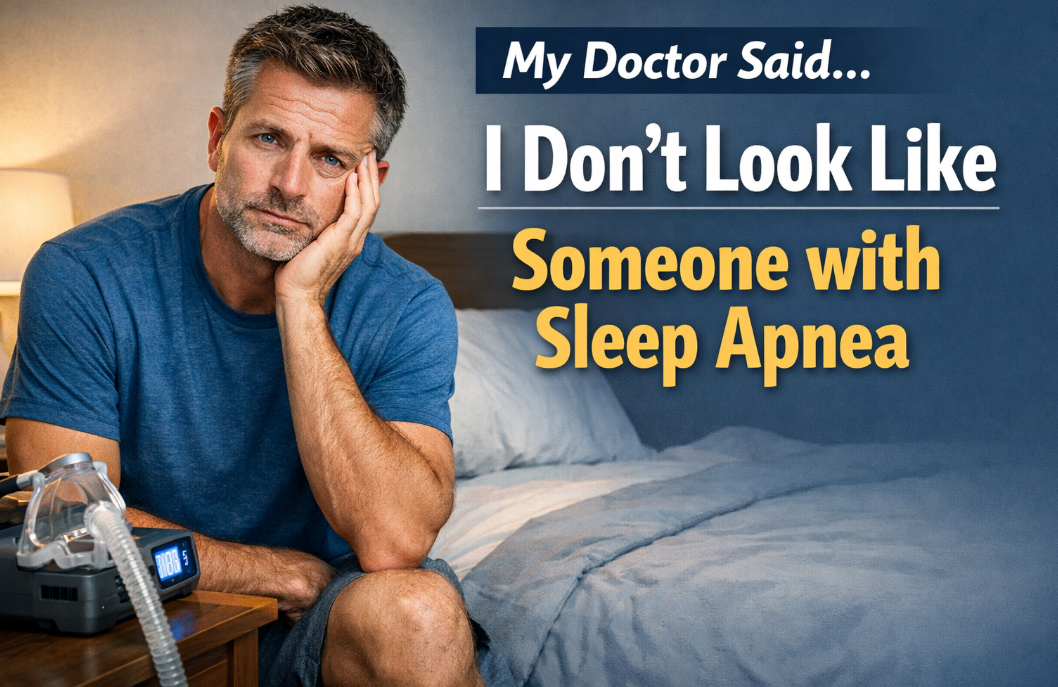
My Doctor Said I Don’t Look Like Someone with Sleep Apnea
“My doctor said I don’t look like someone with sleep apnea” is one of the most common frustrations reported by patients at Sliiip.com. Clinical evidence confirms that sleep apnea affects people at every weight and body type. If you have been dismissed based on appearance, here is what the science actually says.
If your doctor has ever told you that you do not look like someone with sleep apnea, you are not alone, and you are not wrong to push back.
According to Dr. Avinesh Bhar, Board Certified Sleep Physician at Sliiip.com, physical appearance is one of the most misleading indicators a clinician can use. The question of whether you can have sleep apnea if you are thin is not just valid: for roughly 20 percent of patients with confirmed obstructive sleep apnea, a normal BMI is exactly what they had when they were diagnosed.

It is frustrating to feel chronically exhausted only to be told that you look too healthy or fit to have a serious sleep disorder. You know your body better than anyone else: if you are waking up gasping for air, experiencing brain fog, or struggling with unexplained daytime fatigue, your physical stature should not be a barrier to clinical investigation.
Research published in the Journal of Clinical Sleep Medicine confirms that approximately 20 percent of adults with obstructive sleep apnea have a body mass index within the normal range. This statistic highlights that millions of people may be living with undiagnosed breathing issues simply because they do not match a specific visual mold, and because their doctors have not been trained to look beyond it.
Sleep Apnea Myths vs. Reality
The phrase “my doctor said I don’t look like someone with sleep apnea” reflects a persistent clinical blind spot that sleep medicine has been working to correct for years. If you have ever searched the signs of sleep apnea and found yourself checking every symptom except the ones tied to weight, you are not alone.
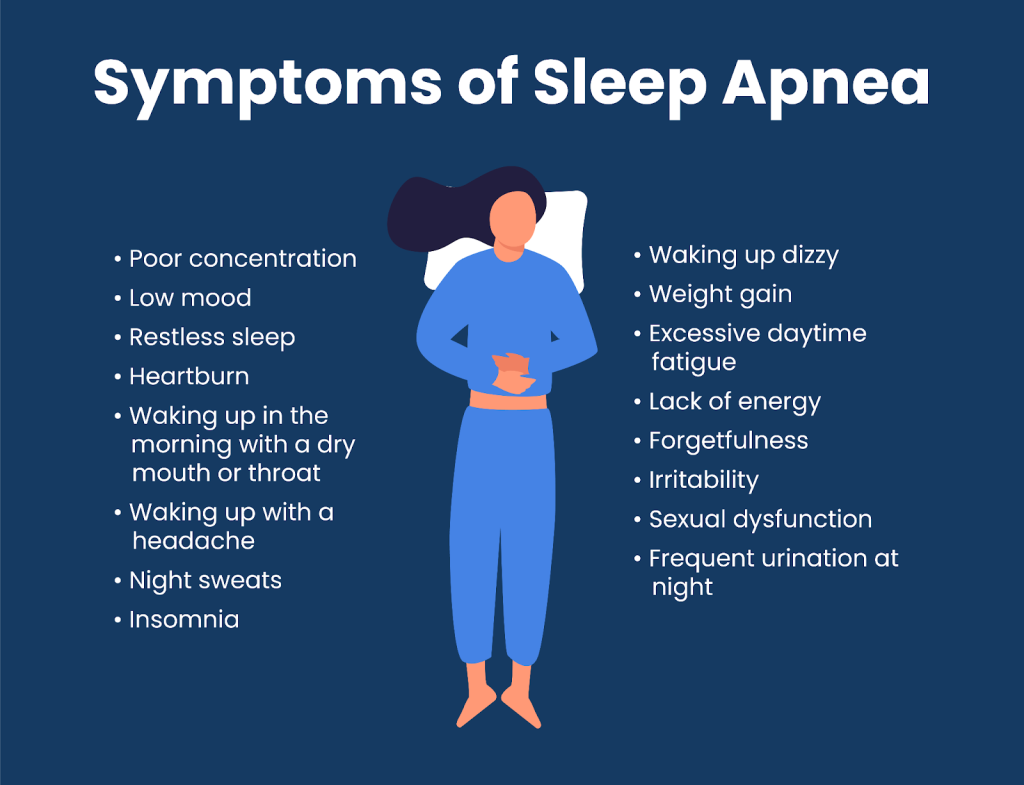
Here is what the clinical evidence actually says.
Myth: Only people with a high BMI or large neck circumference stop breathing at night.
Reality: Anatomical factors such as a narrow airway, recessed jaw, or enlarged tonsils can cause airway collapse in even the leanest individuals.
Myth: Snoring is the only reliable sign that you need a sleep study.
Reality: Many thin patients experience “silent” apnea or Upper Airway Resistance Syndrome (UARS), where the primary symptoms are fragmented sleep and daytime fatigue rather than loud snoring.
Myth: If I am fit and exercise regularly, I cannot have a sleep disorder.
Reality: Physical fitness does not change the structural dimensions of your throat or the neurological signals that keep your airway open during deep sleep.
Why You Can Have Sleep Apnea if You Are Thin
The fundamental cause of obstructive sleep apnea is a physical blockage of the airway. While excess soft tissue in the neck is a common cause, it is far from the only one. In thinner patients, the issue is often structural rather than related to weight. Craniofacial anatomy plays a significant role: if your jaw is set slightly back or if your hard palate is high and narrow, there is naturally less room for the tongue. When your muscles relax during REM sleep, that limited space disappears, leading to a total or partial blockage of airflow.
Often this is the sound of sleep apnea snoring. Watch the video below.
Understanding Structural Causes of Sleep Apnea
When considering the question, can you have sleep apnea if you are thin?, it is vital to look at the skeletal structure of the face and throat. Doctors often refer to this as the “craniofacial phenotype.” Some people are born with a smaller airway or a tongue that is disproportionately large for their mouth. According to the National Heart, Lung, and Blood Institute, the anatomy of the upper airway is one of the primary drivers of sleep-disordered breathing across all body types.

In these cases, the collapse happens because the bony box containing the airway is simply too small. Genetics play a significant role here: if your parents had narrow faces or dental crowding, you might have inherited a structural predisposition for sleep-disordered breathing. This has nothing to do with body fat percentages and everything to do with the blueprint of your skeleton.
Identifying Symptoms Beyond the Stereotype
When “my doctor said I don’t look like someone with sleep apnea” is the feedback you leave an appointment with, the symptoms that follow are often misattributed to stress, anxiety, or thyroid issues instead of a breathing disorder. If you are asking yourself whether you can have sleep apnea if you are thin, look for secondary indicators. These include waking up with a dry mouth, morning headaches, or the need to urinate multiple times throughout the night (nocturia).
Nighttime arousals in lean patients are often “micro-awakenings” that the patient does not even remember. These interruptions prevent the brain from reaching the restorative stages of deep sleep. Over time, this leads to chronic sympathetic nervous system activation, keeping your body in a “fight or flight” mode that causes daytime irritability and decreased cognitive performance.
The Role of SleepImage and Home Testing
Advancements in technology have made it easier for people who do not fit the “typical” profile to get tested. Many people avoid sleep clinics because they do not want to spend a night in a lab. At Sliiip.com, we utilize SleepImage and WatchPAT technology, which allows you to test in your own bed. Learn more about home sleep apnea testing and whether it is the right first step for your situation.

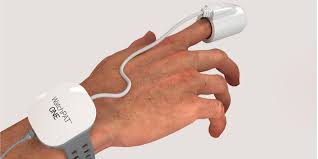
This is particularly helpful for thinner patients who may have milder but still significant breathing disruptions. These devices measure peripheral arterial tone and oxygen saturation, providing a clear picture of how your heart and lungs are performing. A home sleep test removes the stigma and the inconvenience, providing the data needed to confirm that, yes, can you have sleep apnea if you are thin? is a question with a definitive medical answer for many.
Neurological Factors in Lean Sleep Apnea
Sometimes the issue is not just the physical airway, but how the brain manages breathing during sleep. This is often referred to as “high loop gain” or a sensitive respiratory control system. In some thin individuals, the brain is overly sensitive to changes in carbon dioxide levels.
Even a tiny narrowing of the airway can trigger a significant overreaction from the brain, causing the person to wake up abruptly. This cycle of over-breathing and under-breathing creates significant instability in the sleep cycle. Understanding these nuances is why consulting with a board-certified specialist is critical: we look beyond the scale to see how your unique physiology is impacting your rest.
Expert Q&A
Q: My BMI is 21 and I run marathons, yet I am exhausted every afternoon. Could this really be sleep apnea?
“Absolutely. I see fitness enthusiasts and lean individuals in my practice every week. Often, their athletic conditioning actually masks the severity of their symptoms because their hearts are strong, but their airways are still structurally prone to collapse. Your fitness level does not protect you from your anatomy, and getting an objective sleep study is the only way to know for sure what is happening when you close your eyes.”
Dr. Avinesh Bhar Board Certified Sleep Physician, Sliiip.com
Lifestyle Integration for Better Breathing
While you cannot change your bone structure without surgery, you can optimize your environment to support better breathing patterns.
Sleep Position: Try side sleeping to prevent the tongue from falling back against the throat.
Nasal Hygiene: Use saline rinses or strips to ensure your nasal passages are clear, as mouth breathing increases the likelihood of airway collapse.
Alcohol Avoidance: Alcohol relaxes the muscles of the throat more than natural sleep, which can turn a narrow airway into a fully blocked one.
Consistent Schedule: Maintaining a strict circadian rhythm helps the brain transition through sleep stages more smoothly, potentially reducing the frequency of arousals.
CPAP Awareness: If your physician recommends therapy, CPAP remains the most well-researched option for confirmed obstructive sleep apnea at any body weight.
Not sure whether your symptoms point to a breathing disorder? Take our sleep apnea quiz for a starting point before your consultation.
Ready to Finally Sleep Better?
- 10,000+ consultations completed
- No referral required
- Available in all 50 states
- Most major insurance accepted
Frequently Asked Questions
Can you have sleep apnea if you are thin and do not snore?
Yes: many thin patients suffer from “Upper Airway Resistance Syndrome” or silent apnea. In these cases, the airway narrows enough to disturb sleep and cause fatigue but does not create the vibration known as snoring. It is a common misconception that snoring is required for a diagnosis: the primary issue is the interruption of continuous breathing.
Why did my doctor say I do not look like I have sleep apnea?
Many general practitioners are trained on the “classic” profile of sleep apnea, which focuses on obesity and neck size. However, sleep medicine has evolved to recognize that craniofacial structure, such as a narrow palate or recessed jaw, is just as significant a risk factor. If you feel tired, you deserve an objective test regardless of your appearance.
Does weight loss help if I am already thin and have sleep apnea?
For patients who are already at a healthy weight, further weight loss is rarely an effective treatment and can sometimes be harmful. Read more about the relationship between weight and sleep apnea. If your apnea is caused by your bone structure or tonsil size, losing weight will not change the physical dimensions of your airway.
Can genetics cause sleep apnea in thin people?
Genetics are a primary driver for sleep apnea in lean individuals. You inherit the shape of your face, the size of your jaw, and the way your soft tissues are positioned. If there is a family history of sleep disorders or heavy breathing at night, you may have a genetic predisposition for an easily collapsible airway. Explore the genetic connection in detail here.
Is sleep apnea in thin people dangerous?
Yes: the cardiovascular risks of untreated sleep apnea apply to everyone. Regardless of your weight, every time you stop breathing, your oxygen drops and your heart rate spikes. This creates systemic inflammation and puts stress on your heart. Over time, this can increase the risk of high blood pressure and other long-term health issues.
What is the best test for a thin person suspected of sleep apnea?
A comprehensive home sleep apnea test using SleepImage or WatchPAT technology is often the best first step. These tests are highly sensitive to the types of respiratory events common in thinner patients. They track heart rate variability and oxygen levels to identify even subtle disruptions that traditional, less sensitive tests might miss.
Can children have sleep apnea if they are thin?
Pediatric sleep apnea is very common and is frequently caused by enlarged tonsils or adenoids rather than weight. In children, this often manifests as hyperactivity, bedwetting, or trouble focusing in school. It is essential to have children evaluated by a specialist if they breathe through their mouths or struggle with sleep.
Are there specific facial features linked to sleep apnea in lean people?
Common features include a “retrognathia” (a chin that pulls back), a high arched hard palate, or a crowded mouth where the tongue covers the back of the throat. Doctors also look at the Mallampati score, which assesses how much open space is visible in the back of your throat when you open your mouth.
How does caffeine mask sleep apnea in active individuals?
Many fit, thin people use high doses of caffeine or exercise-induced adrenaline to push through the daytime fatigue caused by poor sleep. This can lead to a “false” sense of energy, making it harder to realize that the root cause of your mid-afternoon crashes is actually a nighttime breathing disorder.
Will a mouthguard help if I have thin-type sleep apnea?
Mandibular Advancement Devices are often very effective for lean patients. These custom-fitted mouthguards gently pull the lower jaw forward, creating more physical space in the back of the throat. This addresses the structural cause of the blockage without the need for more invasive treatments.
Can sleep apnea cause weight loss or difficulty gaining weight?
While rare, the extreme stress that sleep apnea puts on the body can sometimes affect metabolism. However, the more common link is that sleep apnea disrupts the hormones ghrelin and leptin, which control hunger. This usually leads to weight gain, but the metabolic disruption affects every individual differently.
What should I tell my doctor to get a referral for a sleep study?
Focus on your functional symptoms rather than just your tiredness. Tell them about your morning headaches, gasping for air, or how your fatigue is impacting your work and safety. Mention that you are aware that craniofacial structure can cause apnea in lean individuals and that you would like an objective assessment.
Latest posts
-
Ballistocardiography Sleep Sensors: How Under-Mattress Tracking Works
Last updated: September 14, 2026. Medically reviewed by Dr. Avinesh Bhar, Board-Certified Sleep Physician, SLIIIP.com. Ballistocardiography sleep sensors sit under your mattress and detect the tiny mechanical vibrations your body…
-
RingConn vs Oura: Which Smart Ring Tracks Sleep Better?
Last updated: September 10, 2026. Medically reviewed by Dr. Avinesh Bhar, Board-Certified Sleep Physician, SLIIIP.com. RingConn and Oura both track sleep through a finger-worn ring, but they differ most in…
Get updates
Spam-free subscription, we guarantee. This is just a friendly ping when new content is out.

