👉 Register for Free. How to Diagnose Sleep Apnea Faster in Primary Care – FREE Webinar by Dr. Audrey Wells. – Friday, April 24 at 12 PM ET

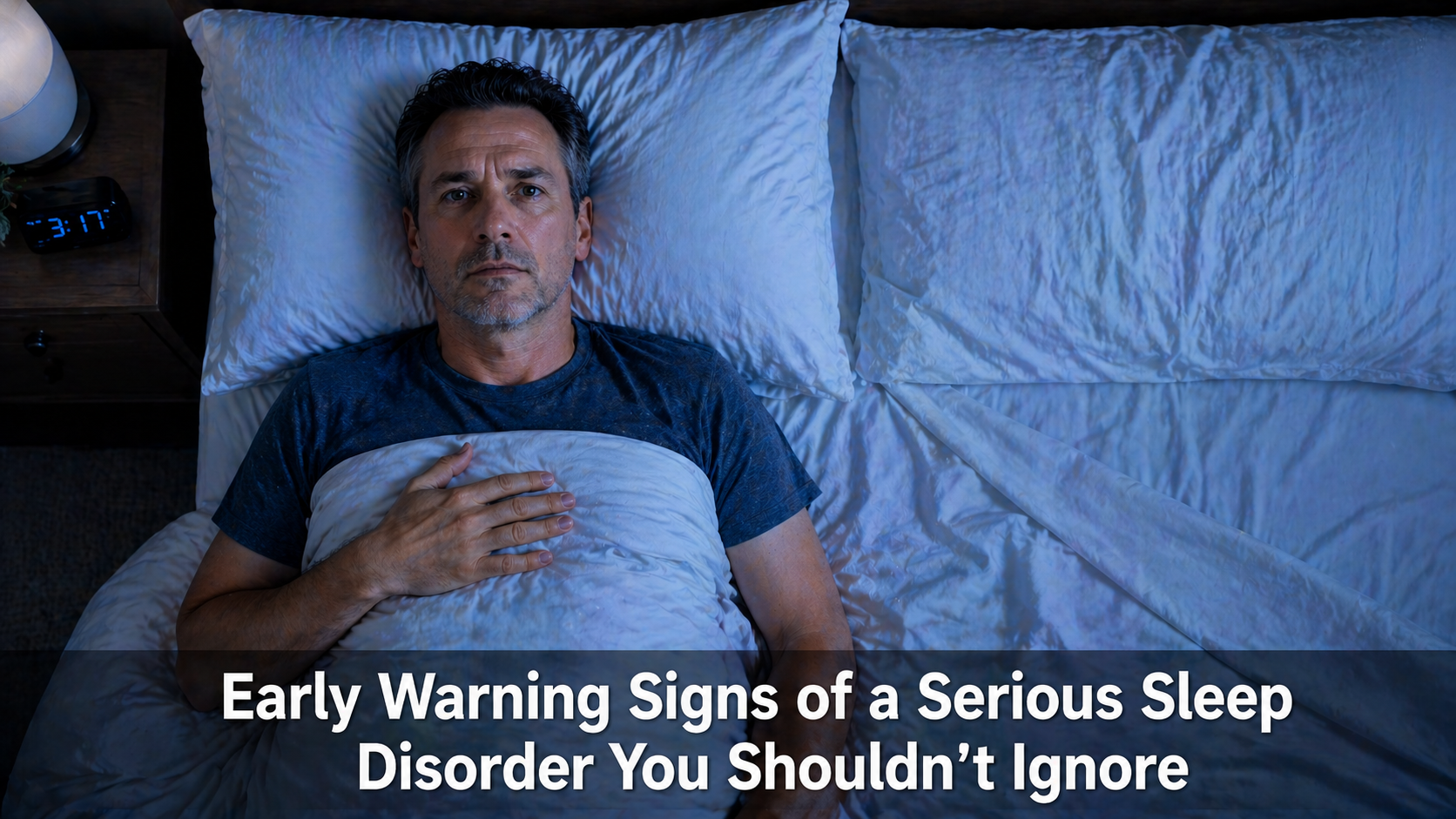
Early Warning Signs of a Serious Sleep Disorder You Shouldn’t Ignore
An early sleep disorder warning sign is often missed, according to Dr. Avinesh Bhar, Board-Certified Sleep Physician at SLIIIP.com, many individuals experience symptoms without clear awareness. Most people brush off poor sleep as a busy life or simple stress, but the body keeps sending signals that something deeper may be wrong. SLIIIP.com offers virtual consultations in all 50 states, ships home sleep tests directly to your door, and provides nationwide coverage so you can get clear answers without leaving home.
This guide walks through the red flags adults and women miss most often, what these patterns can mean, and when it is time to talk with a sleep specialist.
SLIIIP.com was built to make that answer easy to find, with virtual consultations in all 50 states, home sleep tests shipped to your door, and nationwide coverage.
SLIIIP’s board-certified sleep physicians can do sleep evaluations for sleep apnea. Virtual consultations in all 50 states. Home sleep tests shipped to your door.
What Counts as a Warning Sign of Poor Sleep?
A warning sign is any pattern in how you sleep, breathe, or feel during the day that suggests your nights are not restoring your body. Brief restless nights happen to everyone, but signs that show up week after week deserve real attention.
According to the Centers for Disease Control and Prevention, about 1 in 3 adults in the United States do not get enough sleep on a regular basis. That gap between rest and recovery is exactly where serious sleep issues hide for years.
For a deeper look at how patterns connect to specific sleep conditions, see Signs of Sleep Apnea.
CHECK YOUR SLEEP SYMPTOMS: TAKE THE 2 MINUTE QUIZ
TAKE THE QUIZ

Common Sleep Disorder Warning Signs in Adults
The most reported sleep disorder warning signs adults notice include:
- Loud, frequent snoring that disturbs a partner
- Pauses in breathing observed by someone else
- Waking up gasping or choking
- Morning headaches several days a week
- Brain fog and trouble focusing during the day
- Falling asleep while reading, driving, or sitting still
- Mood changes such as low patience or irritability
- Restless legs that make it hard to fall asleep
- Sleeping a full eight hours and still feeling drained
A single symptom may mean very little, but several together strongly suggest that a sleep evaluation is worth it.
For more on persistent fatigue, see Sleep 8 Hours Still Tired and Why Am I Exhausted No Matter How Much I Sleep.
Daytime Clues That Often Get Missed
Many people focus on what happens at night, but daytime symptoms are often the loudest sleep disorder warning signs. Watch for:
- Constant grogginess after waking
- Needing caffeine just to function
- Heavy eyelids during meetings or driving
- Forgetfulness and slowed thinking
- Feeling moody, anxious, or low without a clear reason
If you wake with a sore head most mornings, our guide on Top Reasons for Waking Up With Headaches explains the link. For mental sharpness, see Sleep Apnea Extreme Brain Fog.
Nighttime Symptoms You Should Track
Track these patterns for at least two weeks before your appointment:
- Snoring volume and how often it happens
- Episodes of waking up gasping or choking
- Bathroom trips during the night
- Tossing, turning, or jerking limbs
- Vivid dreams that feel like physical movement
- Heart racing on awakening
Writing down what happens at night gives a sleep specialist a clearer picture than memory alone. For more on nighttime gasping, read Why Do I Wake Up Gasping for Air, and on a racing heart, see Why Do I Wake Up With My Heart Racing. Choking episodes are explored in Choking While Sleeping.
Sleep Disorder Warning Signs in Women
Symptoms in women often look different than in men. Loud snoring may be milder, and fatigue, insomnia, anxiety, and morning headaches may be more common. Women in perimenopause and menopause are especially likely to dismiss real sleep issues as normal hormonal change.
Helpful reading:
- Sleep Apnea Symptoms in Women
- Sleep Apnea in Women Symptoms
- Menopause Sleep Problems Natural Remedies
- Hormonal Insomnia
Watch: Signs of a Sleep Disorder
Why These Signs Matter for Long Term Health
Untreated sleep issues are linked with high blood pressure, heart problems, weight gain, mood changes, and a lower quality of life. The National Heart, Lung, and Blood Institute notes that sleep apnea can raise the risk of heart and blood vessel problems when left unaddressed.
To explore connections between sleep and the heart, see Can Sleep Apnea Cause High Blood Pressure and Sleep and Heart Disease. For mood, try Sleep Apnea and Depression.
Catching sleep disorder warning signs early can change the path of your health for years to come.

When to Speak With a Sleep Specialist
Dr. Avinesh Bhar suggests booking an evaluation if you notice any of these patterns:
- Daily fatigue that does not improve with rest
- Loud snoring paired with breathing pauses
- Repeated morning headaches
- Memory or focus issues affecting your work
- Mood symptoms that lift when sleep improves
You can also take a quick self check with the Do I Have Sleep Apnea Quiz before your visit. Wondering if testing is worth it? Read Is It Worth Getting Tested for Sleep Apnea.
How a Home Sleep Test Works
A home sleep test is a small device you wear overnight in your own bed. It records breathing patterns, oxygen levels, and pulse. For most adults with classic symptoms, a home test is a comfortable and accurate first step. Learn more in Sleep Apnea Test at Home and How to Prepare for a Home Sleep Study.
Simple Habits That Support Better Sleep
Small daily habits can lower the load on your sleep:
- Keep a consistent bedtime and wake time
- Limit caffeine after early afternoon
- Avoid heavy meals and alcohol close to bed
- Make the bedroom cool, dark, and quiet
- Reduce screen time in the last hour before bed
- Get bright daylight in the morning
For more wellness focused habits, see Your Ultimate Sleep Routine Guide and Reasons for Improving the Quality of Sleep.
At Sliiip, we accept the following insurances:

SLIIIP’s board-certified sleep physicians can do sleep evaluations for sleep apnea. Virtual consultations in all 50 states. Home sleep tests shipped to your door.
Frequently Asked Questions
- What are the most common sleep disorder warning signs?
Loud snoring, daytime fatigue, morning headaches, gasping at night, and trouble focusing are the most reported. - Can poor sleep cause daytime fatigue?
Yes. Low quality sleep prevents the body from completing its restorative cycles. - Is loud snoring always a red flag?
Not always, but loud snoring with pauses in breathing should be checked by a sleep physician. - How long should I track symptoms before seeing a doctor?
Two to four weeks of notes is usually enough to share a clear picture. - Do sleep issues affect blood pressure?
Yes. Untreated sleep apnea is linked with higher blood pressure over time. - Are warning signs different in women?
Yes. Women often report fatigue, insomnia, and headaches more than loud snoring. - Can children show similar signs?
Yes. Snoring, mouth breathing, restless sleep, and daytime irritability can appear early. - Is waking up gasping a serious sign?
It can be. Repeated gasping or choking at night should be evaluated quickly. - Do all sleep problems involve snoring?
No. Insomnia, restless legs, and circadian rhythm issues do not always include snoring. - Can stress mimic these signs?
Stress can disrupt sleep, but lasting symptoms often point to more than stress alone. - How do I prepare for a home sleep test?
Follow your usual bedtime, avoid alcohol that night, and read the device guide carefully. - Will my insurance cover a sleep evaluation?
Many plans cover virtual visits and home sleep testing. SLIIIP can verify your benefits before booking. - What is the difference between insomnia and sleep apnea?
Insomnia is trouble falling or staying asleep. Sleep apnea involves breathing pauses during sleep. - Can poor sleep cause memory problems?
Yes. Reduced deep sleep can affect memory and focus over time. - Do morning headaches indicate a sleep issue?
They can. Frequent morning headaches are a common red flag. - How often should I get evaluated?
If symptoms come back or change, a follow up evaluation is reasonable. - Can lifestyle changes reduce these symptoms?
Healthy routines help, but they do not replace a proper evaluation when signs persist. - Are sleep tracker readings reliable?
Consumer trackers offer trends but cannot diagnose a sleep condition. - Is a virtual sleep consultation as good as an in person visit?
For many adults, yes. SLIIIP offers virtual visits in all 50 states. - What happens after a positive home sleep test?
A SLIIIP physician reviews the results with you and explains the next steps.
Take the Next Step
SLIIIP’s board-certified sleep physicians can do sleep evaluations for sleep apnea. Virtual consultations in all 50 states. Home sleep tests shipped to your door.
Thank you for reading this article.
Latest posts
-
Why Are My Naps Never Refreshing?
Last updated: October 2, 2026. Medically reviewed by Dr. Avinesh Bhar, Board-Certified Sleep Physician, SLIIIP.com. Naps that leave you groggy usually come down to how long you sleep, when you…
-
Is Sleeping Too Much a Sleep Disorder?
Last updated: October 2, 2026. Medically reviewed by Dr. Avinesh Bhar, Board-Certified Sleep Physician, SLIIIP.com. Sleeping too much is not always a sleep disorder, but it can be a sign…
-
Why Does My Insomnia Get Worse After Stopping Sleep Medication?
Last updated: October 2, 2026. Medically reviewed by Dr. Avinesh Bhar, Board-Certified Sleep Physician, SLIIIP.com. Insomnia can get worse after stopping sleep medication for three main reasons. They are rebound…
Get updates
Spam-free subscription, we guarantee. This is just a friendly ping when new content is out.

