👉 Register for Free. How to Diagnose Sleep Apnea Faster in Primary Care – FREE Webinar by Dr. Audrey Wells. – Friday, April 24 at 12 PM ET

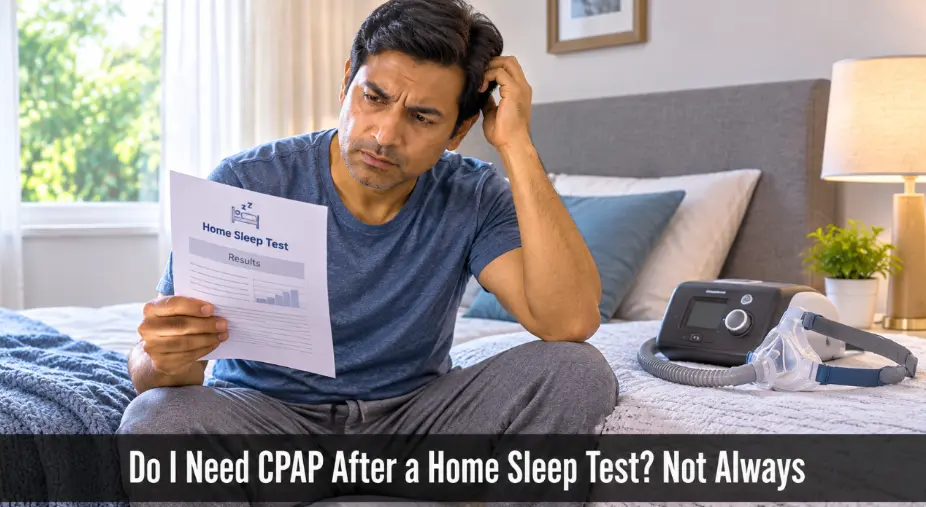
Do I Need CPAP After a Home Sleep Test? Not Always. Here’s Why
Last updated: November 3, 2026. Medically reviewed by Dr. Avinesh Bhar, Board-Certified Sleep Physician, SLIIIP.com.
You do not always need CPAP after a home sleep test. The decision depends on your AHI score, your symptoms, and your other health conditions. Dr. Avinesh Bhar, Board-Certified Sleep Physician at SLIIIP.com, notes that your AHI is a starting point rather than the final answer.
CPAP is a common first choice for moderate to severe obstructive sleep apnea. For a mild result, CPAP is one option among several, and you make that choice with your doctor.
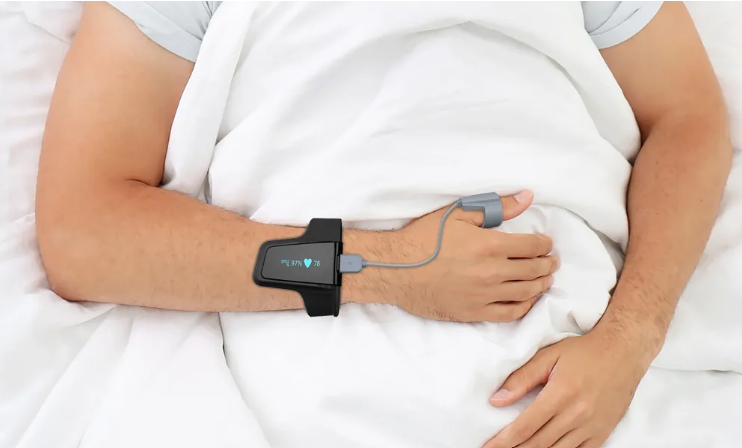
To get started, the first step is getting a home sleep test that will check if you suffer from sleep apnea.
Do I Need CPAP After a Home Sleep Test?
Not everyone needs CPAP after a home sleep test, because the test result alone does not decide your treatment. A normal result usually does not lead to CPAP. A moderate or severe result often does, unless another option fits you better. A mild result is where the answer varies most.
The test also cannot make the decision for you. It records breathing and oxygen patterns for a night or more. It does not know how sleepy you feel, what other conditions you have, or what you are willing to use every night. A doctor brings those pieces together.
If you have your report but are unsure what it says, start with our guide on how to read home sleep test results.
It explains each number before you talk about treatment.
What Does My AHI Score Mean for CPAP?
Your AHI, or apnea-hypopnea index, counts breathing events per hour, and a higher score makes CPAP more likely to come up. Doctors commonly group adult scores this way.
Each range tends to lead to a different conversation.
- Fewer than 5 events per hour: usually considered normal. CPAP is not typically part of the plan, though ongoing symptoms still deserve a closer look.
- 5 to 14 events per hour (mild): CPAP is one option. Symptoms and other health conditions often guide the choice.
- 15 to 29 events per hour (moderate): CPAP is commonly recommended, and some people may discuss an oral device instead.
- 30 or more events per hour (severe): CPAP is usually the first treatment discussed.
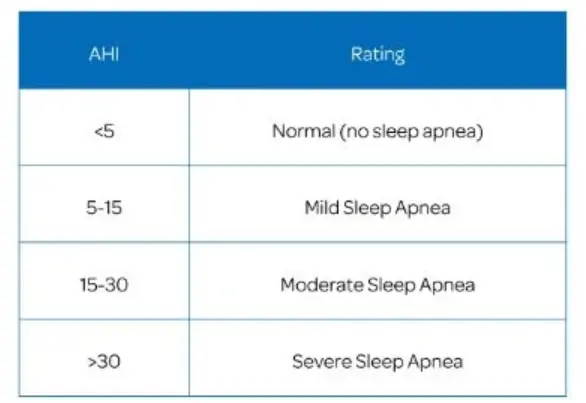
These ranges are guides, not rules. Your report may also show how low your oxygen dropped and whether events cluster when you lie on your back. Those details can shift the plan, even when two people share the same AHI.
When Is CPAP Usually Recommended?
CPAP is usually recommended when your AHI is moderate or severe, or when a milder result comes with symptoms or related health problems. Your doctor may lean toward
CPAP in several common situations.
- Your AHI is 15 or higher.
- You feel very sleepy during the day or have nodded off while driving.
- Your oxygen levels dropped a lot during the test.
- You have high blood pressure, heart rhythm problems, heart disease, or a history of stroke.
- You have mood changes, memory trouble, or insomnia along with your result.
- You drive or operate equipment for work and need to stay alert.
CPAP delivers air pressure through a mask to help keep the airway open during sleep. It works only on the nights you use it, so comfort and fit matter. Our CPAP side effects guide covers common problems and when to call a doctor.
Can Mild Sleep Apnea Be Treated Without CPAP?
Yes, mild sleep apnea can often be managed without CPAP, depending on your symptoms and health. Harvard Health says not everyone with mild obstructive sleep apnea needs CPAP, and it calls treatment a shared decision between you and your doctor.
Options your doctor may bring up include the following.
- Side sleeping. This may help if your breathing events happen mostly when you lie on your back.
- Weight changes. Harvard Health notes that losing even 5 to 10 pounds is a reasonable step for people who are overweight.
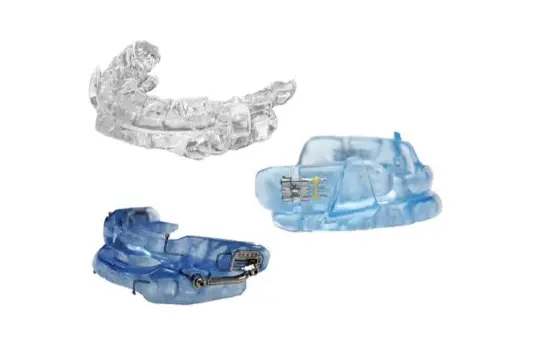
- An oral device. A dentist can fit a custom device that holds the jaw forward. Learn more about oral appliance therapy.
- Treating nasal congestion. Allergies or a blocked nose can make nighttime breathing harder.
- Limiting alcohol and sedating medicines near bedtime. Talk with your prescriber before changing any medication.
- An ENT evaluation. This can check for problems such as a severely deviated septum.
Choosing not to start CPAP is different from doing nothing. A mild result still deserves a plan and a follow-up. Our article on the long-term risks of untreated mild sleep apnea explains why that matters. Our guide to mild sleep apnea covers why you may still feel tired.
Why Might Someone With Mild Sleep Apnea Still Choose CPAP?
Some people with mild sleep apnea choose CPAP because their symptoms bother them, and research links CPAP with better quality of life in this group.

Harvard Health describes a Lancet study of 301 people with mild obstructive sleep apnea across 11 centers in the United Kingdom. Over three months, people using CPAP plus standard care reported better quality of life than people on standard care alone.
That finding does not mean everyone with a mild score should use CPAP. It does show that a low number can still come with symptoms worth addressing. Loud snoring, unrefreshing sleep, and daytime sleepiness are all fair reasons to raise the question.
What Other Treatments Exist If CPAP Is Not a Fit?
If CPAP is not a fit, other options include oral devices, implants, surgery, and for some people a medication. Which one makes sense depends on your severity, your anatomy, and your overall health.
Our overview of sleep apnea treatment options goes through each one.
An implant that stimulates the nerve controlling the tongue may be discussed for some people with moderate to severe sleep apnea who cannot use CPAP. The FDA has also approved an injected weight-loss medicine for adults with moderate to severe sleep apnea and obesity. These are conversations for your doctor, since each has its own requirements.
If you have already tried CPAP and struggled, tell your doctor before you stop. Mask changes or pressure changes by your care team may help.
Our guide on what to do when you can’t tolerate CPAP walks through next steps. Do not change your CPAP settings on your own.
Does Insurance Require a Certain AHI for CPAP?
Many insurance plans tie CPAP coverage to your sleep test score, and Medicare uses clear AHI thresholds. According to CMS, Medicare criteria include an AHI of 15 or higher with at least 30 events. They also include an AHI of 5 to 14 with at least 10 events, when certain conditions are documented.
What If My Home Sleep Test Was Normal but I Still Feel Tired?
A normal home sleep test does not rule out every sleep problem, so ongoing tiredness still deserves a doctor’s review.
TAKE THE QUIZ
Home tests usually estimate breathing events over recording time rather than measured sleep time. That can make a score look lower than it would in a sleep lab.
Home tests also do not check for many other sleep disorders. Your doctor may suggest a lab study or look at other causes of fatigue.
Watch: Dr. Wells answers why mild sleep apnea happens during REM sleep
What Should I Ask My Doctor Before Deciding on CPAP?
The best questions focus on your severity, your symptoms, your other options, and what happens if you wait. Bring your full report to the visit.
These questions can help you get a clear answer.
- How severe is my result, and how low did my oxygen go?
- Do my symptoms or health conditions change your advice?
- Do my events happen mostly on my back?
- What is my best option if I do not want CPAP?
- Would I qualify for CPAP under my insurance if I need it later?
- Should I repeat the test after weight changes or a new treatment?
- How will we know whether my plan is working?
If you are still deciding whether to test at all, our guide on how to get a home sleep test explains the process. You can also ask about follow-up testing, because results can change over time.
When to See a Doctor
See a doctor as soon as you have your home sleep test report, even if the result looks mild. Go sooner if you nod off while driving, wake up gasping, or feel very sleepy during the day.
Call 911 for chest pain, severe trouble breathing, or signs of a stroke.
Dr. Bhar recommends reviewing your AHI along with your oxygen levels, daytime symptoms, and other health conditions before you accept or rule out CPAP. So bring your full report, your medication list, and your main symptoms to the visit.
If you have heart disease or high blood pressure, mention it, since a sleep doctor can work alongside your existing care team.
SLIIIP works with many major insurance plans. Check whether your plan is accepted before your visit.

SLIIIP’s board-certified sleep physicians can do sleep evaluations for sleep apnea. Virtual consultations in all 50 states. Home sleep tests shipped to your door.
Frequently Asked Questions
Do I need CPAP after a home sleep test?
Not always. It depends on your AHI, your symptoms, and your other health conditions.
What AHI usually leads to CPAP?
An AHI of 15 or higher commonly leads to a CPAP discussion. Lower scores may too if you have symptoms.
Does mild sleep apnea need CPAP?
Not always. CPAP is one option, and other options may fit depending on your symptoms and health.
Can a home sleep test alone decide on CPAP?
No. A doctor reviews your results along with your symptoms and health history before recommending treatment.
Can I treat mild sleep apnea without CPAP?
Often, yes. Options may include side sleeping, weight changes, or an oral device, with your doctor's guidance.
Is it safe to ignore a mild result?
It is better to make a plan with your doctor. Mild results can still come with symptoms or health concerns.
Can an oral device replace CPAP?
For some people, yes. Oral devices are an option for some people who do not want or cannot tolerate CPAP.
Does side sleeping help sleep apnea?
It may help if your breathing events happen mostly when you sleep on your back.
Can weight loss help me avoid CPAP?
It may help some people. Weight loss is linked to fewer breathing events, but results vary from person to person.
Why would I use CPAP with only mild sleep apnea?
Some people choose it for bothersome symptoms. One study linked CPAP with better quality of life in mild cases.
Will Medicare cover CPAP for mild sleep apnea?
It can. Medicare criteria include an AHI of 5 to 14 when certain symptoms or conditions are documented.
Will insurance cover CPAP with an AHI under 5?
Usually not, since most plans require a higher score. Call your insurer to confirm your plan's rules.
Can I buy a CPAP without a prescription?
No. In the United States, CPAP machines require a prescription, so you need a doctor's order first.
What if my home test was normal but I feel tired?
Talk with a doctor. A home test can underestimate breathing events and does not check for many other sleep disorders.
Do I need a lab study before starting CPAP?
Not always. Many people start after a home test, but your doctor may want a lab study in some cases.
Can I refuse CPAP?
Yes, the choice is yours. Ask your doctor about other options and what to watch for if you wait.
Can I stop CPAP if I feel better?
Talk with your doctor first. Feeling better often means the therapy is helping, not that you no longer need it.
Can my CPAP need to change over time?
Yes. Weight changes, aging, and new health conditions can change your results, so your doctor may suggest retesting.
Can I change my CPAP settings myself?
No. Talk with your care team first, since they can review your data and adjust settings safely.
Should I see a sleep doctor after a home test?
Yes, it helps to review your results with a doctor, even when the score looks mild.
Latest posts
-
How Much Does a Home Sleep Study Cost in 2026? Real Price Ranges
Last updated: October 31, 2026. Medically reviewed by Dr. Avinesh Bhar, Board-Certified Sleep Physician, SLIIIP.com. A home sleep study usually costs about $150 to $500 if you pay cash. With…
-
Do I Need CPAP After a Home Sleep Test? Not Always. Here’s Why
Last updated: November 3, 2026. Medically reviewed by Dr. Avinesh Bhar, Board-Certified Sleep Physician, SLIIIP.com. You do not always need CPAP after a home sleep test. The decision depends on…
·
-
My Sleep Test Shows Sleep Apnea. What Happens Next?
Last updated: November 3, 2026. Medically reviewed by Dr. Avinesh Bhar, Board-Certified Sleep Physician, SLIIIP.com. If your sleep test shows sleep apnea, the next step is a review with a…
Get updates
Spam-free subscription, we guarantee. This is just a friendly ping when new content is out.

