👉 Register for Free. How to Diagnose Sleep Apnea Faster in Primary Care – FREE Webinar by Dr. Audrey Wells. – Friday, April 24 at 12 PM ET

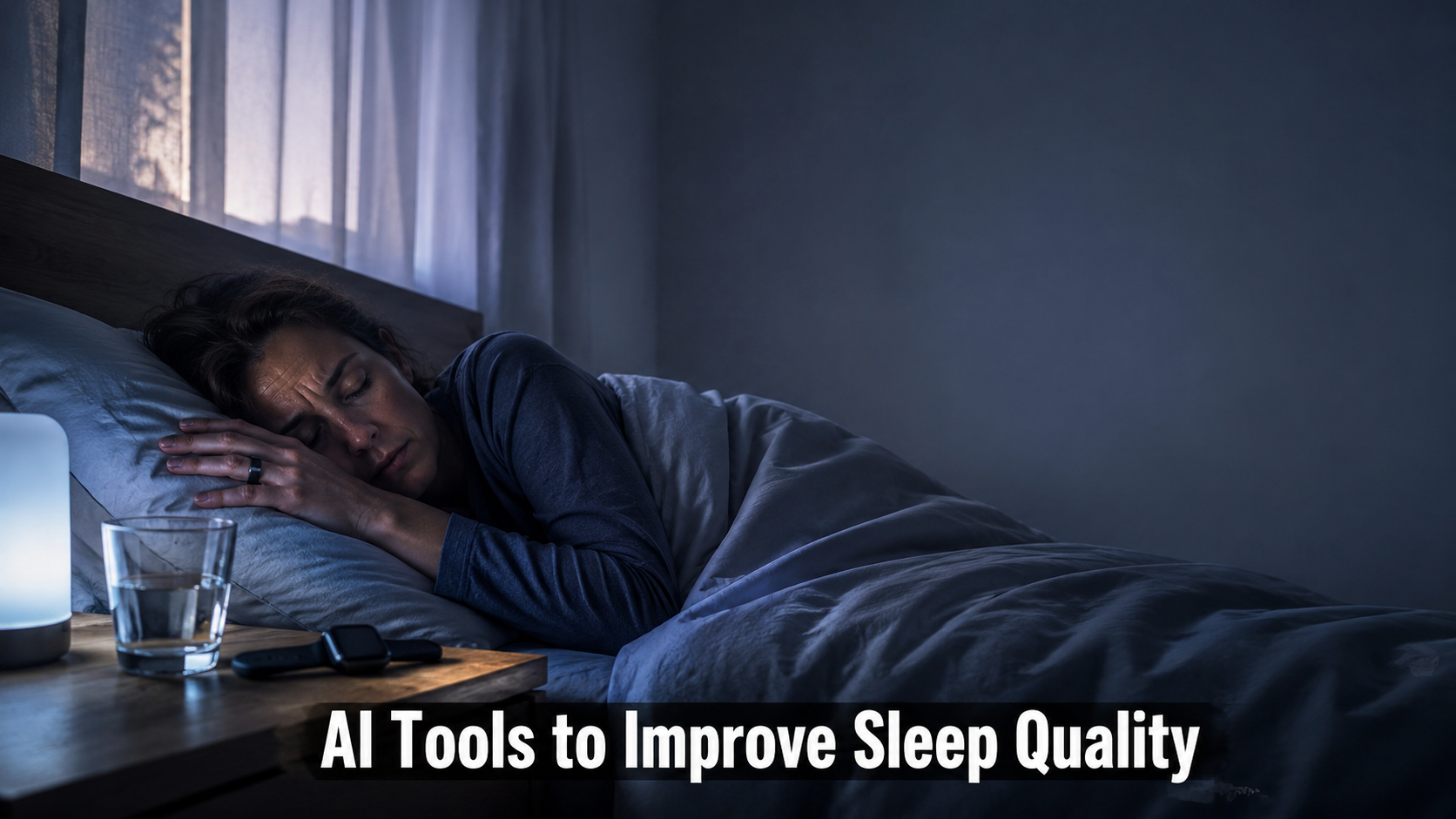
AI Tools to Improve Sleep Quality: A Doctor’s Guide to What Actually Helps
AI tools to improve sleep quality have moved from a niche tech trend into millions of bedrooms, says Dr. Avinesh Bhar, Board-Certified Sleep Physician at SLIIIP.com, and many people now use them every single night without knowing what is helpful and what is just noise.
The big shift is simple: phones, watches, rings, and smart beds can now read patterns in your sleep and send them through algorithms that learn from your habits. Some of these tools help you wind down. Some catch problems early. Some only show you numbers that look pretty on a chart but never lead to real change.
At SLIIIP.com, Dr. Bhar and the clinical team see this every week. Patients arrive with months of wearable data, sleep app screenshots, and AI chatbot transcripts. The job of a sleep doctor today is partly to translate all of that into a clear next step.
SLIIIP’s board-certified sleep physicians can do sleep evaluations for sleep apnea. Virtual consultations in all 50 states. Home sleep tests shipped to your door.
What AI Tools to Improve Sleep Quality Actually Do
Most people picture a robot tucking them in. The reality is much smaller and much smarter. AI tools to improve sleep quality are software systems that learn from your patterns and adjust their advice over time.
They watch heart rate, movement, breathing, room temperature, and sound. Then they use that data to guess your sleep stages, score your night, and suggest tiny changes. Some also coach you through breathing, journaling, or wind-down routines.
The goal is not magic. The goal is feedback. The Centers for Disease Control and Prevention reports that about 1 in 3 adults in the United States do not get enough sleep on a regular basis. AI tools try to close that gap by making your habits visible.
For a deeper look at why sleep matters in the first place, see our piece on the importance of sleep.

How AI Sleep Tools Read Your Night
Most AI sleep platforms use three layers of input.
The first is sensor data. A ring, watch, or under-mattress pad picks up heart rate, body movement, skin temperature, and oxygen patterns. This raw data is the fuel for everything else.
The second is a model trained on thousands of nights from many people. It compares your numbers to known patterns of light sleep, deep sleep, and REM sleep. It is a best guess, not a brain scan.
The third is your own feedback. You tell the app how you feel each morning, and over weeks the model tunes itself to your body.
Our guide to wearable sleep trackers explains how these devices stack up.

Categories of AI Tools to Improve Sleep Quality
Smart Rings and Watches
Devices like the Oura Ring, Apple Watch, Fitbit, and Whoop sit on your finger or wrist. They blend movement, heart rate, and skin temperature into a nightly sleep score.
Many people use the score as a daily nudge to go to bed earlier or cut back on late caffeine. That nudge is often where the real value lives.
For the Apple Watch specifically, read does Apple Watch detect sleep apnea.
Smart Mattresses and Bed Sensors
Beds from brands like Eight Sleep and Sleep Number use AI to adjust temperature, firmness, and even tilt during the night. The temperature control alone can cut down on tossing and turning for people who run hot.
Standalone pads slide under your sheet and track without needing a wearable.
AI Sleep Coaching Apps
Apps like Rise, Sleep Reset, Somryst, and others offer guided programs based on cognitive behavioral therapy for insomnia, often called CBT-I. CBT-I is the first-line, drug-free approach most sleep doctors recommend for chronic insomnia.
For more on how this works, see cognitive behavior therapy CBT-I for sleep disorders and our digital therapeutics page at SLIIIP digital therapeutics.
AI White Noise and Soundscapes
Apps like Calm, Endel, and Headspace now use AI to build adaptive soundscapes. The sound shifts based on your heart rate or time of night.
Our article on sleep sounds and meditation covers the basics.
Smart Lighting and Circadian Tools
Smart bulbs from Philips Hue, Govee, and others slowly dim warm light at night and brighten in the morning. Bright morning light is one of the strongest tools you have for keeping your sleep clock on track.
For tips on resetting that clock, see how do I fix my circadian rhythm.
AI Chatbots and Journaling Helpers
Some people now use AI chatbots to talk through racing thoughts at night. The chatbot can guide breathing, reframe worries, or just listen.
This can help short term, but it should not replace real therapy or a real sleep evaluation. Our piece on how to stop overthinking at night walks through stronger options.
What AI Tools to Improve Sleep Quality Cannot Do
Dr. Avinesh Bhar puts it plainly. An AI sleep tool is a useful coach, not a doctor.
It cannot diagnose sleep apnea. It cannot rule out restless legs syndrome. It cannot read a full brain wave pattern. It can flag signs that something is off, but the next step is still a real medical evaluation.
The National Heart, Lung, and Blood Institute notes that sleep apnea is often missed for years. A wearable might show low oxygen or odd heart rate spikes at night, and that is a strong reason to follow up with a sleep doctor.
If your tracker keeps flagging poor sleep, see why am I waking up tired even after 8 hours and signs of sleep apnea.
Signs Your AI Sleep Score Means Something Bigger
A bad night is normal. Months of bad nights are not.
Watch for these patterns in your data:
You feel tired every morning even after 7 or 8 hours in bed. Your tracker shows many awakenings. Heart rate stays high through the night. Oxygen dips show up often. Your bed partner notes loud snoring or pauses in your breathing.
These patterns are worth a real sleep evaluation, not just another app download. Read is it worth getting tested for sleep apnea to decide your next step.
How to Pick the Right AI Sleep Tool
Start simple. Pick one tool. Use it for at least four weeks. Then judge.
Look for these features.
Clear data display. You should be able to read your numbers in under a minute.
Helpful coaching. The app should suggest small steps, not just dump charts on you.
Privacy. Check what the tool does with your health data.
A doctor-friendly export. You should be able to share a summary with your sleep doctor.
If you are unsure where to start, our top picks for the best sleep aids page reviews popular options.
Pairing AI Tools to Improve Sleep Quality With Real Care
The best results come when AI tools and real doctors work together. You bring the long-term data. The doctor brings the medical lens.
SLIIIP was built for this exact handoff. You can keep using your favorite ring, watch, or app. Then you book a virtual visit, talk through your data, and order a home sleep test when needed.
Learn more about how this works on our home sleep apnea test and sleep telemedicine pages.
SLIIIP’s board-certified sleep physicians can do sleep evaluations for sleep apnea. Virtual consultations in all 50 states. Home sleep tests shipped to your door.
Frequently Asked Questions
1. Do AI tools to improve sleep quality really work?
They can help with habits, timing, and wind-down routines. They are most useful for healthy adults who want small, steady gains.
2. Can AI fix my insomnia?
AI based CBT-I programs can be very useful for many people. Severe or long lasting insomnia still needs a real evaluation. See insomnia treatment methods.
3. Are sleep trackers accurate?
They are better than guessing but not as accurate as a real sleep study. Treat the trends as more useful than any single night.
4. Can AI detect sleep apnea?
Some devices can flag possible signs of sleep apnea. They cannot diagnose it. A home sleep test or in-lab study is needed.
5. Is the Oura Ring better than the Apple Watch for sleep?
Both are useful. Rings are often more comfortable to sleep in. Watches give you more daytime data.
6. Should I trust my nightly sleep score?
Use it as a rough guide. One score does not define your health. Look at weekly and monthly trends instead.
7. Are AI sleep apps safe?
Most are safe to use. Always check privacy settings and avoid sharing data you would not want sold.
8. Can AI replace a sleep doctor?
No. It can support a doctor visit, but it cannot replace one. Read 3 benefits of sleep telemedicine.
9. Do smart mattresses really help?
For people who run hot or cold, temperature control can make a real difference. The price is high, so set clear goals before buying.
10. Can ChatGPT or other chatbots help me sleep?
They can walk you through breathing or journaling. They are not a substitute for therapy or a sleep doctor.
11. What is digital CBT-I?
It is a guided online program that teaches the same skills used in clinical CBT-I. Many people find it as helpful as in-person care.
12. Do AI sleep sounds work better than normal ones?
Adaptive sound can match your heart rate and stage. Some people sleep better with it. Others do fine with classic white noise.
13. Can AI tools help shift workers?
Yes. AI lighting and timing tools can support odd schedules. See the night shift and sleep.
14. Are AI tools to improve sleep quality good for kids?
Use with care. Kids often sleep best with simple routines and screen free wind-down time.
15. Why does my tracker say I slept badly when I feel fine?
Trackers can over count light awakenings. If you feel rested, trust your body.
16. Why does my tracker say I slept well when I feel awful?
That is a warning sign. Daytime fatigue with normal looking sleep can point to sleep apnea or another disorder.
17. Will AI sleep tools work without Wi-Fi?
Many work offline for tracking, but the AI coaching often needs the cloud.
18. Can I share my AI sleep data with my doctor?
Yes. Most apps let you export a PDF or share a summary. Bring it to your SLIIIP visit.
19. What is the best AI tool for snoring?
Apps that record sound through the night can show you when and how loud you snore. For more, read how to stop snoring.
20. When should I stop using apps and call a sleep doctor?
If you feel tired most days, snore loudly, gasp at night, or your tracker keeps flagging poor sleep, book a visit. AI tools to improve sleep quality are a start, not the finish line.
At Sliiip, we accept the following insurances:

SLIIIP’s board-certified sleep physicians can do sleep evaluations for sleep apnea. Virtual consultations in all 50 states. Home sleep tests shipped to your door.
The Bottom Line
AI tools to improve sleep quality are not a gimmick anymore. They give you a window into your own body that no one had even ten years ago. Used well, they can shape better habits and catch warning signs early.
Used poorly, they create stress and a false sense of safety. The fix is simple. Use the data. Then bring it to a doctor who can read it with you.
SLIIIP’s board-certified sleep physicians can do sleep evaluations for sleep apnea. Virtual consultations in all 50 states. Home sleep tests shipped to your door.
Latest posts
-
Why Can’t I Wake Up Even After Getting Enough Sleep?
Last updated: October 2, 2026. Medically reviewed by Dr. Avinesh Bhar, Board-Certified Sleep Physician, SLIIIP.com. If you can’t wake up after enough sleep, the cause is usually not the number…
-
Why Does My Heart Rate Drop So Low While I Sleep?
Last updated: October 2, 2026. Medically reviewed by Dr. Avinesh Bhar, Board-Certified Sleep Physician, SLIIIP.com. Your heart rate drops low while sleeping mainly because your body needs less work from…
-
Why Are My Naps Never Refreshing?
Last updated: October 2, 2026. Medically reviewed by Dr. Avinesh Bhar, Board-Certified Sleep Physician, SLIIIP.com. Naps that leave you groggy usually come down to how long you sleep, when you…
Get updates
Spam-free subscription, we guarantee. This is just a friendly ping when new content is out.

